VBS 2026
VBS 2026: Creators and communities drive the business of sports superfandom
Industry leaders say fandom is now a year-round digital conversation


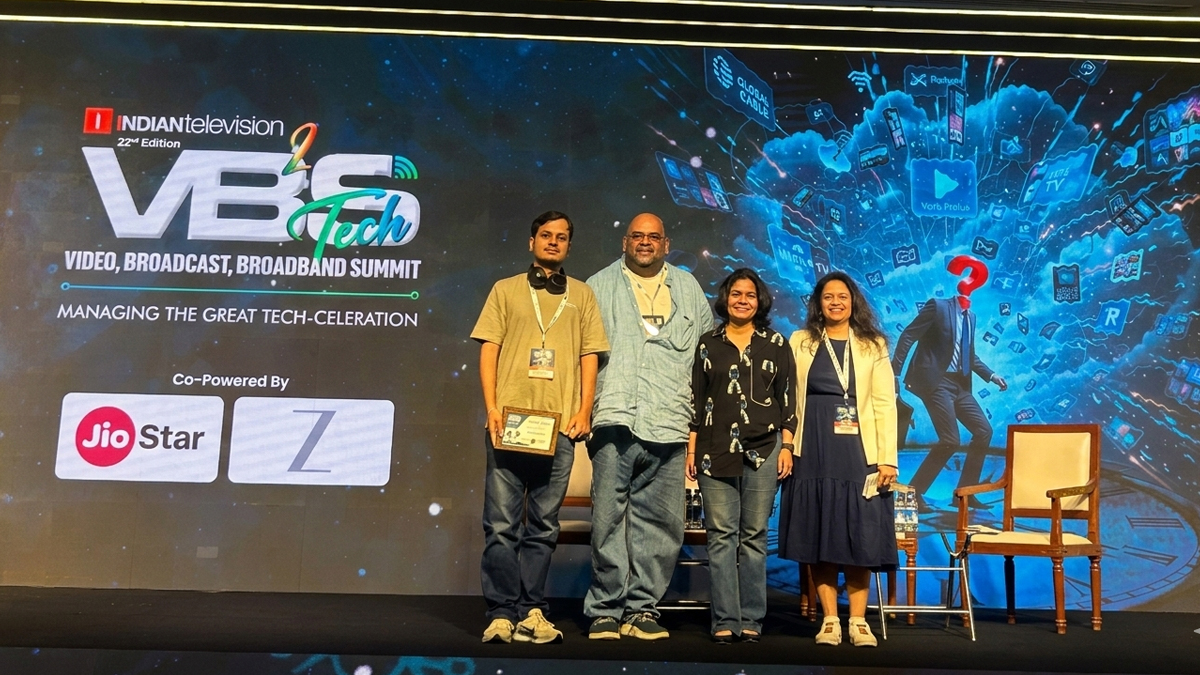
MUMBAI: Creators, communities and deeper access are rapidly transforming the economics of sports fandom, turning casual viewers into year-round “superfans” industry leaders said at the VBS 2026 conference.
Speaking during a panel titled From Fans to Superfans: The Sports Fandom Business Built on Fandom, Powered by Creators, executives from the sports, creator and digital media ecosystem argued that fan engagement now extends far beyond the match itself.
The session was chaired by Google India head – brand solutions Shubha Pai, and featured Only Much Louder chief business officer Preranaa Khatri, Punjab Kings creative head and content creator Piyush Sharma, and IVM Podcasts founder and chief executive Amit Doshi.
Pai noted that platforms such as YouTube now sit at the centre of sports fandom because they capture the intersection of creators, community and culture. Cricket fandom, she argued, has become a continuous digital conversation rather than a match-day event.
“Cricket matches may end, but the passion around cricket continues 24 by 7,” she said. “Fans are now part of a 365-day conversation.”
The shift is also visible in viewing behaviour. Nearly 90 per cent of fans use second screens while watching matches, reflecting a wider trend in which audiences follow commentary, memes, highlights and fan discussions simultaneously across multiple platforms.
Sharma, who transitioned from independent creator to creative head at Punjab Kings, said modern fandom is driven by emotion and immediacy. Fans increasingly expect teams to respond directly to their reactions, questions and comments on social media platforms such as Instagram and Youtube.
“The emotion of fans is that they want to know something from their team or their players,” he said. “The challenge is not simply answering questions, but understanding the emotion behind them.”
Tools such as comment analytics and sentiment analysis are becoming central to how teams interpret fan sentiment and create content. Sharma argued that the traditional divide between teams and supporters is gradually breaking down as franchises attempt to personalise content and respond faster to fan reactions.
“The wall between creators or teams and fans is disappearing,” he said.
Khatri argued that digital platforms have dramatically expanded the scale of sports communities.
In the past, fans typically watched matches with friends or family. Today, online communities allow supporters across different cities and countries to participate in the same conversation.
“You are no longer limited to the people around you,” she said. “You can engage with fans anywhere in the world.”
For brands and teams, this shift requires a stronger focus on authenticity. Partnerships between teams, creators and brands must be rooted in genuine cultural connections rather than short-term marketing opportunities.
She added the creator economy is also reshaping how sports narratives are produced and consumed.
Athletes, teams and independent creators increasingly operate as media entities in their own right, publishing content across platforms to maintain constant engagement with fans.
Podcasts, in particular, have become a powerful format for building deeper fan loyalty.
While highlights create excitement, Pai argued that long-form audio offers depth and storytelling, turning casual followers into dedicated fans.
“Highlights create excitement, but depth comes from long-form consumption,” Doshi said.
Podcast audiences often spend 30 to 40 minutes or longer engaging with sports discussions, analysis and off-field narratives, extending the life of sporting moments beyond the match itself.
These narratives, he added, help transform sport into broader popular culture, encompassing commentary, controversies and player personalities.
The rise of regional creators has also strengthened the connection between sports properties and local fan communities.
Creators who speak the language and cultural context of their audiences often build stronger trust and engagement. However, Khatri warned that brands must be clear about their objectives when partnering with sports properties or creators.
Associations driven purely by budget constraints rather than strategic alignment risk appearing inauthentic to audiences.
Despite growing interest in sports storytelling, Doshi said structural challenges remain, particularly the high cost of licensing sports footage in India.
For independent producers, even using a few seconds of official match footage can significantly increase production costs.
This limits the development of long-form sports documentaries and storytelling formats that have flourished in international markets through initiatives such as NFL Films, NBA Films and FIFA documentaries.
“Ideally we should be able to tell the ‘game around the game’,” Doshi said. “But the economics of footage licensing make that difficult.” He suggested that the growth of other sports beyond cricket could diversify the ecosystem and create more viable storytelling opportunities.
Looking ahead, the panellists agreed that the defining feature of future superfandom will be greater access. Fans increasingly want closer interactions with players, teams and creators through live events, digital platforms and exclusive content. “Access will define superfandom,” Doshi said.
For teams and creators, this means building content ecosystems that allow fans to feel directly connected to the personalities and stories behind the sport.