
iWorld
Streaming dominates TV as CTV reshapes advertising playbook in 2026
Streaming captures 77 per cent of viewing as ad-supported TV becomes mainstream


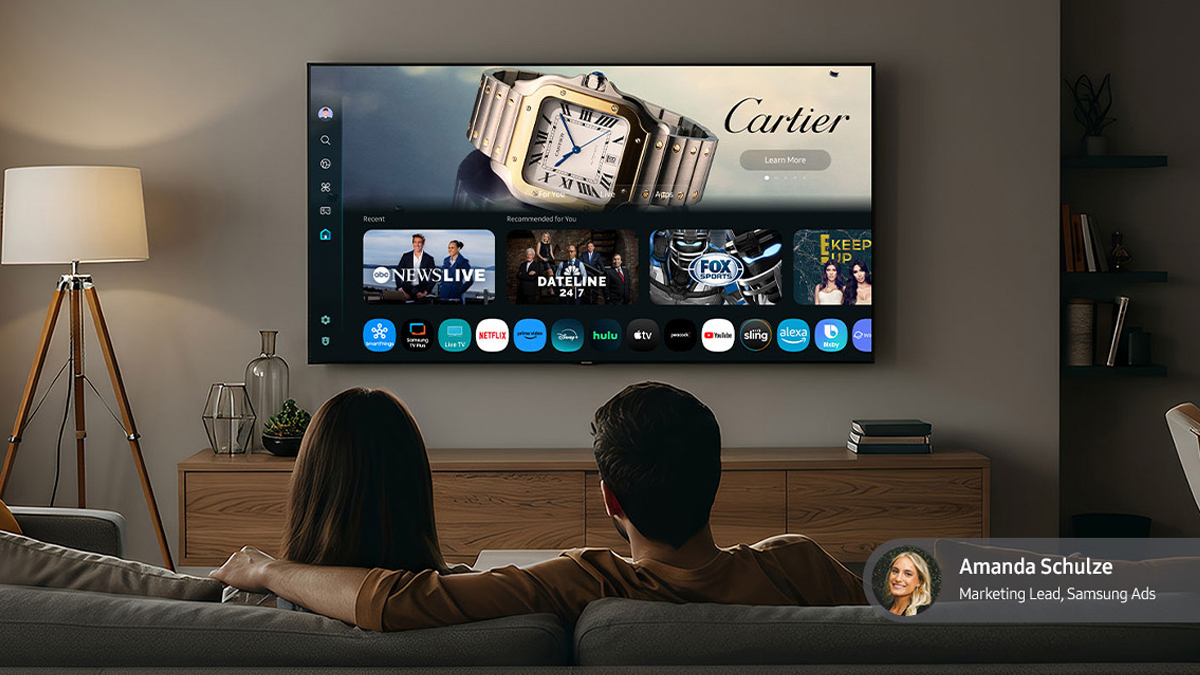
MUMBAI: The remote hasn’t disappeared—it has simply changed what it’s pointing at. Connected TV (CTV) is no longer the industry’s next big thing; it has become the main stage, with fresh data suggesting that streaming has firmly overtaken traditional television and is redefining how advertisers reach audiences.
New 2026 industry data shows streaming accounted for 77 per cent of total TV viewing time in the first quarter of 2026, marking a 6 per cent year-on-year increase. In contrast, linear television viewership declined 17 per cent over the same period, while streaming consumption grew 5 per cent, underlining the continuing shift in viewing habits.
The figures suggest streaming is no longer competing with traditional television—it has become the default viewing destination. For advertisers, the challenge has moved beyond simply investing in streaming platforms to finding effective ways to navigate an increasingly fragmented connected TV ecosystem.
Ad-supported streaming has emerged as one of the biggest beneficiaries of this transition. According to the report, more than eight in every 10 televisions now access ad-supported streaming services, while over three out of every four minutes spent streaming are consumed on ad-supported platforms. The trend reflects growing consumer acceptance of advertising in exchange for free or lower-cost content.
As viewing shifts across apps, FAST (Free Ad-Supported Streaming Television) channels and smart TV home screens, marketers are also facing a growing challenge around audience duplication and measurement.
Samsung Ads argues that first-party TV-level data offers an opportunity to improve campaign efficiency by identifying incremental audiences rather than repeatedly targeting the same households. The company claims its platform delivers twice the scale of competing offerings while providing up to 80 per cent unduplicated reach, helping brands access viewers who are less likely to be reached through connected media devices.
Beyond scale, Samsung Ads is positioning its platform around first-party audience insights and viewing behaviour data, allowing advertisers to refine targeting and improve return on advertising spend across increasingly fragmented streaming environments.
The broader shift reflects a changing television advertising landscape, where success is no longer measured simply by audience size but by the ability to reach new viewers, minimise duplication and connect advertising investment more closely to measurable outcomes.
As connected TV matures, the industry appears to be entering a new phase where smarter audience intelligence—not just larger inventories—may become the defining competitive advantage for advertisers navigating the streaming era.






