MAM
GUEST ARTICLE: The future of brand marketing using influencers

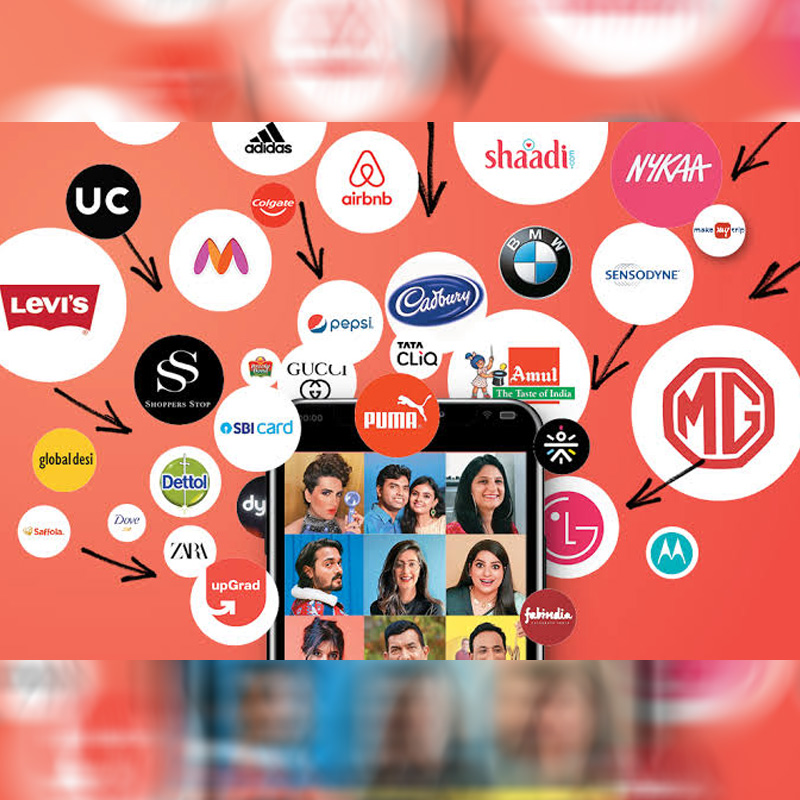
Mumbai: ‘Influencer marketing is the future,’ ‘Influencer marketing helps brands reach millions,’ and ‘Influencer marketing has limitless potential.’ We see such statements across articles, news, blogs, etc. As we dissect the relevance and future of influencer marketing, let’s clarify what it is.
Simply put, influencer marketing uses content creators on social media to craft engaging promotional content to drive traffic and conversions, boosting the brand’s growth and revenue. But is it true? Can we assume that brands can turn towards influencer marketing as the marketing industry’s future? And if so, how is this shift getting suitable returns? How is the integration happening across different mediums? How is it a reliable method of generating high ROI? Finally, and most importantly, what is influencer marketing for brands? In this article, we will unravel this boundless strategy.
One strategy – multiple purposes served
Influencer marketing, with its multifaceted benefits, serves more than one purpose. Some of the objectives of brand marketing with influencers can range from:
1. Building brand awareness: Influencers can amp up the brand positioning and visibility for their respective followers, especially if they’re niche-based with a highly engaged audience.
2. Increase reach: Influencers can help brands reach broader and more relevant audiences across cities or countries. This also helps the audience connect strongly with the brand that their favourite influencers associate with.
3. Drive sales/traffic: Influencers can help brands get more qualified leads and traffic with their content.
4. Improve brand image: Influencers are usually considered experts or key leaders in their niche or industry, and their followers highly value their opinions. When an influencer posts something good about or for the brand, this boosts the brand’s credibility and image.
Sass and Sales are on the same side now-
The evolution of digital marketing has taken over people’s digital privacy, so it’s safe to say that most of the expensive advertisements you’re pushing forward to your potential customers are not even reaching them. As a result, people are now paying to stop receiving advertisements. So it’s no surprise that the marketing industry witnessed the rise of influencer marketing as the hero of marketing, helping brands reach their potential customers on social media platforms with quirky, engaging, and relatable promotional content. Leading creators have mastered the subtle and sassy ways of promoting products or services. Be it Bhuvan Bam’s Myntra collaboration, RJ Karishma’s Hotstar collaboration or KYRA’s boAt collaboration, the content doesn’t just reach millions of people, it also helps people connect more with the brand. They feel the urge to buy the products recommended by their favourite influencer, driving high ROI in sales, website traffic, instals, brand visibility, awareness, and so much more.
Pay Less, Earn More? Yes, that’s on the table
Tired of paying for ads and marketing promises that never yield good returns? Influencer marketing has successfully established itself as a cost-effective strategy. How? Here’s an example: Micro-influencers charge as low as Rs 2,000 for content that reaches 50k potential customers. At the same time, macro influencers charge Rs 40,000 or more for content that reaches five million potential customers. Moreover, influencer marketing can be customised to suit your brand’s budget, ensuring your brand spends less and gains more.
Not just that, some influencers even prefer to do barter campaigns, meaning your brand can give some products to the influencer in exchange for a promotional post for the product.
Rule the digital world? Yes, along with customers’ hearts and pockets!
The digital crowd is hooked on their social media platforms throughout the day. Be it Instagram, Youtube, Twitter, LinkedIn, or Facebook. However, the digital crowd is smart, so the selling process has to be more innovative. Customers are no longer attracted to advertisements promoting anything and everything. Brand marketing with influencers can be considered the liveliest form of marketing by simultaneously capturing millions across the globe. Let’s check out some of the leading influencer campaigns across different social media platforms to better understand them.
1. YouTube influencer marketing: Youtube influencers specialise in different niches. Collaborating with YouTubers for brand marketing can add value for your target audience while driving higher conversions. Some YouTube brand campaigns with influencers include live-shopping, review videos, and narrative and reaction videos, among others. Case in point, Open Book launched a regional campaign with influencers to familiarise the brand’s new products with its target audience. The content revolved around experts talking about the products and their solutions.
2. Instagram influencer marketing: With Instagram, brand marketing with influencers usually focuses on campaigns that aim to earn brand mentions, product reviews, content sharing, and contests. With the rising popularity of Instagram in the last decade, the creator pool has successfully implemented content curation and creation strategies that boost brand awareness, sales, brand visibility and more. Case in point: Paragon collaborated with mega influencers to target the youth audience and depict the brand as the go-to footwear for all occasions. The content revolved around reviews and product experiences, with a hint of humour.
3. Snapchat influencer marketing: Snapchat marketing with influencers is often considered the ace of social media due to the high rates of conversion, genuine interaction, and two-way content engagement allure it holds. Case in point: In 2020, Dunkin’ Donuts launched the most extensive campaign on Snapchat. To put a smile on its customers’ faces, it launched a campaign on National Donut Day. The brand’s Snapchat channel was taken over by influencers who posted snaps from Dunkin’ Donut outlets. To enhance their customers’ experience, they also devised a “Geofilter” that visitors could access after signing up with the store, driving high outlet visits.
Over the years, we have witnessed brand marketing with influencers on Facebook, TikTok, Twitter, etc. It is safe to say that the trend has seen a glorious rise, and the future of brand marketing with influencers is ripe with possibilities and opportunities. Most brands have started adopting and adapting as per the latest trends and updates, staying in-vogue with campaign strategies with the “WOW” factor for the digital crowd, like boAt with its first-ever campaign with virtual influencer KYRA or L’Oreal revamping its influencer marketing strategies in a relatable way. One thing is sure: influencer marketing plays a vital role in the growth trajectory of brands. It won’t be long before most leading brands shift their strategies to adopt influencer marketing as a core strategy.
The author of this article is The Good Creator Co. co-founder Rahul Singh.