
Sports
IPL 2026 ads shift gears as CTV and TV attract different brands
Google tops both platforms as IPL ad volumes rise 2 per cent across 48 matches


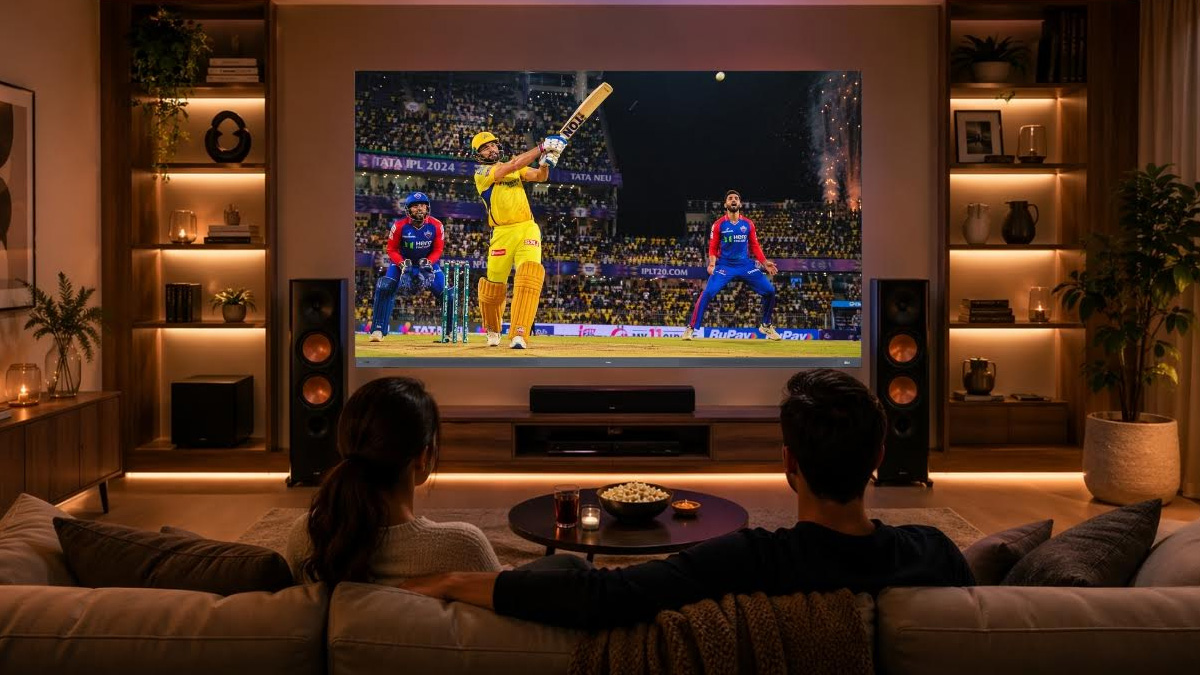
MUMBAI: Turns out the IPL is no longer just a battle between bat and ball, it is also a full-scale advertising face-off between living room television and connected screens. IPL 2026 may have delivered sixes on the field, but off the pitch, the real powerplay unfolded between Linear TV and Connected TV (CTV), where brands fought for attention across 48 matches with sharply different advertising playbooks. According to TAM Sports data, overall commercial ad volumes on Linear Television grew modestly by 2 per cent during IPL 2026 compared to the previous season. Indexed ad volumes rose from 100 in IPL 18 to 102 in IPL 19, signalling that while traditional television continues to hold ground, the advertising ecosystem around cricket’s biggest property is rapidly fragmenting.
And nowhere was that divide clearer than in the categories and advertisers dominating CTV versus traditional TV feeds.
On Connected TV, e-commerce services emerged as the biggest category with a 10 per cent share, followed by cars at 6 per cent and smartphones at 5 per cent. Paints and air conditioners rounded out the top five, suggesting CTV audiences are increasingly attracting premium and aspirational advertisers.
Linear TV, meanwhile, stayed rooted in mass-market India. Mouth fresheners dominated with a hefty 14 per cent share, followed closely by e-commerce services at 13 per cent. Two-wheelers, financial institutions and energy drinks completed the top categories list.
Google managed the rare feat of topping advertiser charts across both platforms. The tech giant accounted for 14 per cent of ad share on CTV and 11 per cent on Linear TV, underlining how aggressively digital-first brands continue to chase cricket audiences.
Reliance Consumer Products and Havells India also featured strongly across both ecosystems, though the advertiser mix quickly diverged beyond the top slots.
CTV leaned heavily into auto and lifestyle advertising. Tata Motors, Renault India, Voltas and Astrotalk emerged among the top exclusive CTV advertisers, while categories such as credit cards, hotels and fast-food outlets appeared only on connected screens.
Linear TV, on the other hand, remained the kingdom of legacy FMCG and mass-consumption categories. Chocolates, branded jewellery, perfumes, mortgage loans and artificial sweeteners featured among exclusive TV categories. Advertisers such as K P Pan Foods, Cadbury India, TVS Motor Company and Skoda Auto also found strong visibility on traditional broadcasts.
Interestingly, OpenAI also appeared among the top exclusive advertisers on Linear TV, reflecting how AI brands are beginning to enter mainstream sports advertising territory.
The overlap between the two platforms remained significant but selective. TAM Sports identified more than 35 common categories and 30 common advertisers across CTV and Linear TV during the tournament.
Still, the divergence is growing rapidly. CTV hosted more than 25 exclusive categories and over 40 exclusive advertisers, while Linear TV recorded over 15 exclusive categories and 25 exclusive advertisers.
The findings highlight how IPL advertising is evolving into a dual-screen economy, one aimed at broad national reach and the other targeting affluent, digitally connected audiences.
In cricketing terms, television may still own the stadium roar. But CTV is increasingly becoming the VIP box where brands arrive dressed for a very different match.






