iWorld
95% of the world’s online public conversation about TV is on Twitter: Rishi Jaitly

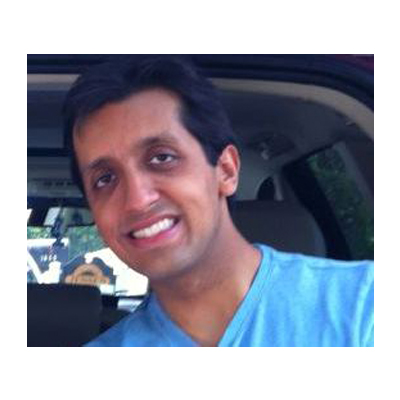
MUMBAI: The new trend that is creating waves in India these days is the usage of social media while watching television and specifically writing about television content on the platforms. Speaking about this growing trend was Twitter India market director Rishi Jaitly at the TV.Nxt conference in Mumbai.
Jaitly said that Twitter believes that it is a realisation of the dream of the inventor of the printing press, Johan Guttenberg and today it has become a platform that has truly frictionless content consumption capability and frictionless content expression and publishing. This has led to it producing nearly 500 million tweets a day with 76 per cent users from mobile phones.
He stresses that Twitter encourages people to think of it not as a website but as a mobile microphone which has led to 40 per cent people only consuming content but 60 per cent users consuming as well as contributing. “When you go on YouTube or Wikipedia, you don’t feel ‘oh I must upload a video’ or ‘oh I must edit this page’ but on Twitter people feel this need to tweet, which is fantastic!” says Jaitly.
Recently, Twitter launched its analytics for everyone to track. This, because it has become important to know not just the reach but the ‘live reach’ of tweets as well. Jaitly highlights that 75 per cent of impressions are created within an hour of publishing a tweet.
Talking about the relationship between television and Twitter he shared some statistics that during the Indian Premiere League, 75 per cent of tweets had been sent during the match. In the UK, 40 per cent of Twitter traffic in the evening is about TV and globally 95 per cent of the world’s online public conversation about TV is happening on Twitter.
Research agency Nielsen found that shows that rate high, drive conversation on Twitter but a third of the time, buzz on Twitter can drive ratings. Two years ago, Nielsen came to the social media company saying that advertisers wanted to know how alive its audience was. So, Twitter offered its data set to create Nielsen Twitter TV ratings for shows in real time, every night.
An added bonus to advertisers is that when viewers are engaged on Twitter while watching content, they are less likely to tune away during ads and more likely to recall them. Jaitly points out that the non-fiction entertainment genre is most conducive to public buzz due to its high engagement tactics such as voting or reaction to eliminations, led by sports and news and increasingly by drama and fiction.
Jaitly compares his platform to a sofa, where everyone is watching TV together including the talent, anchor, brand and friends. “This 3D holistic experience is where we think the world is moving and when you optimise on that experience, you optimise for the success of your business,” he says. However, success on Twitter is about personifying oneself by having executives, talent, mascot and machines on the platform. This is why businessman Anand Mahindra is so popular and so is Homer Simpson, the character from the popular series The Simpsons, who tweets during off season and extends the life of the show. Says he, “You win on Twitter when you bring a collection of voices together and when you get your viewer to tweet, you convert him into a marketer.”
According to him, even brands today are engaged in telling stories. “We believe media is moving to where audiences crave content that is personal, mobile and interactive,” he says.
In India, its top priority is to drive growth. This is supported by advertisers and brands who want to be a part of Twitter conversations through its product ‘promoted tweets’. But it ensures that it doesn’t interfere in a user’s newsfeed. Meanwhile, adapting to the multiple languages of the country, it allows tweets in all Indian languages including translation.