
iWorld
Youtube expands CTV reach metric to account for co-viewing
New ‘Unique Reach’ system estimates audiences beyond single devices.


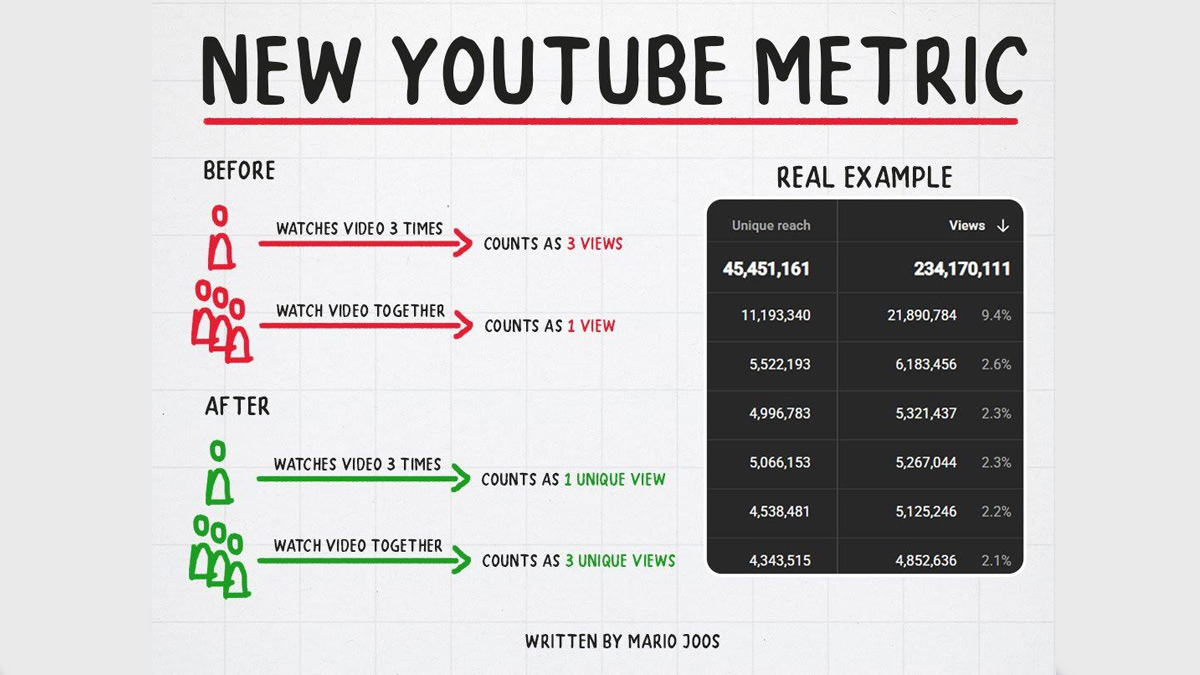
MUMBAI: The living room remote just became an audience meter. Youtube is rewriting how connected TV audiences are counted, introducing a new “Unique Reach” metric that shifts measurement away from devices and closer to actual people sitting on the sofa. Until now, one connected TV device was largely treated as one viewer. But under the updated system, YouTube will begin estimating co-viewing behaviour meaning a single television screen could now count as multiple viewers if several people are watching together.
So, if three people are streaming the same video on one smart TV, Youtube may estimate the reach as three viewers instead of one device impression.
The move marks a significant step in Youtube’s effort to position itself more aggressively as a television-scale advertising platform as connected TV consumption continues to surge globally.
According to the company, the new audience estimates will be calculated using a mix of signals including device type, viewing behaviour, genre consumption patterns, time of day and panel-based measurement data sourced from Nielsen.
In effect, YouTube is attempting to close one of the biggest gaps between digital video and traditional television measurement systems.
For decades, conventional TV ratings accounted for co-viewing within households, where families or groups watching together contributed to total audience reach. Digital video platforms, meanwhile, largely relied on device-level metrics, often undercounting actual viewership on shared screens.
Now, YouTube appears keen to bring its measurement language closer to television’s long-established audience frameworks, a shift that could carry major implications for advertisers, broadcasters and streaming platforms competing for premium brand budgets.
Industry executives say the timing is notable.
As advertisers increasingly seek unified audience measurement across television and streaming ecosystems, platforms are under growing pressure to prove not just impressions, but actual scale and viewer engagement.
The change also reflects the broader battle playing out across living room screens, where streaming giants, broadcasters and digital platforms are all fighting to become the default destination for big-screen entertainment.
Because in the age of connected TVs, counting screens is no longer enough, everyone now wants to count the people holding the popcorn too.






