MAM
Content India 2026 set to gather global media heavyweights in Mumbai
Dish TV and C21Media summit to spotlight commissioning, AI and global partnerships in India’s booming content industry


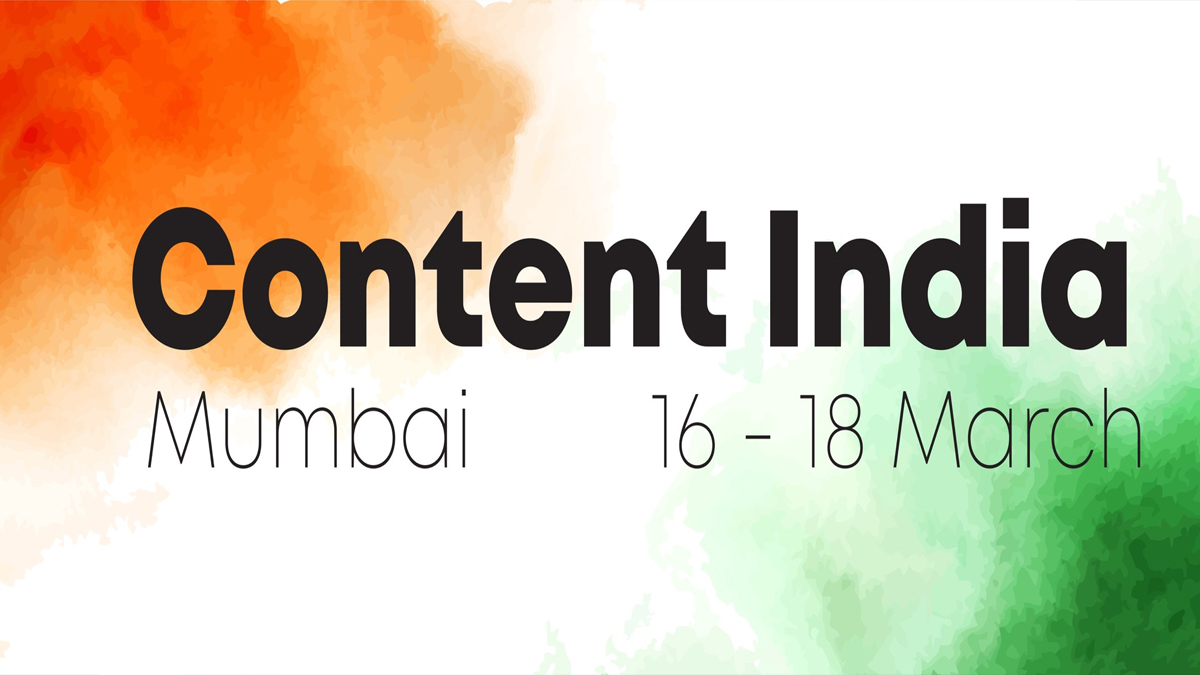
MUMBAI: Content India 2026 is gearing up to bring the country’s media powerbrokers under one roof. The three-day summit, organised by Dish TV India in partnership with C21Media, will run from March 16 to 18 at Taj Lands’ End, positioning itself as a high-octane meeting ground for broadcasters, streamers, studios and digital-first companies shaping the next phase of India’s entertainment economy.
The event aims to capture the accelerating global momentum around Indian content, bringing together industry leaders from across India and overseas to debate trends, forge partnerships and examine the future of the entertainment ecosystem.
Manoj Dobhal, ceo and executive director of Dish TV India, said the industry has reached a crucial inflection point. “Indian content has reached a pivotal point in the global market. As creators, platforms and studios focus on building stronger intellectual properties and forming international partnerships, the need for in-depth, results-driven dialogues is more crucial than ever. Content India 2026 will unite these voices to chart the next phase of the industry’s growth.”
Over three days, the summit will dive into commissioning strategies, production trends, monetisation models, cross-border collaborations, technology shifts and the growing importance of intellectual property in global entertainment.
A flagship session titled “State of the Indian Entertainment Nation” will explore the challenges and opportunities reshaping the content landscape. Speakers include Shilangi Mukherji, director and head of svod business at Prime Video; Anuj Gandhi, chief business officer for digital entertainment services at Reliance Jio; Deepak Dhar, founder and group ceo of Banijay Asia and Endemol Shine Asia; and Ashish Sehgal, ceo of Times TV Network.
Another highlight is the “Content India Co-Pro Pitch”, where early-stage scripted and unscripted projects seeking global partners will be showcased. Two winning projects—one scripted and one unscripted—will receive a £10,000 marketing prize. The judging panel includes Frank Spotnitz, ceo and founder of Big Light Productions; Fiona Campbell, director of factual at BBC Content; Rashmi Bajpai, evp Asia at Banijay Rights; Bal Samra, chairman of Big Deal Films; and Rachel Glaister, evp international brands and press at All3Media International.
Commissioning strategies will also come under scrutiny in a session examining what Indian buyers want from new content. Speakers include Sahira Nair, head of Hindi scripted series at Prime Video India; Rajaraman Sundaram, chief content officer south at Sony Pictures Networks India; Sai Abishek, head of factual entertainment at Warner Bros. Discovery South Asia; and Vishnu Mohta, co-founder of Hoichoi.
Production veterans will also dissect the mechanics of getting shows made and funded, with insights from Sunder Aaron, managing partner at Locomotive Global; Parveen Dusanj-Bedi, founder and md of CreativeNation; Roopak Saluja, founder of BANG BANG TV; Tarun Sawhney, president apac at ShortsTV; and filmmaker Aniruddha Roy Chowdhury.
Technology, particularly generative AI, will also dominate discussions. A dedicated panel on using AI to supercharge content creation will feature Dipankar Mukherjee, ceo and co-founder of Studio Blo; Prateek Arora, vp of development at BANG BANG TV; Anshul Vikram Pandey, founder and chairman of PanScience Group; Saiteja Alampally, founder and ceo of One Immersive; and Vipul Agrawal, founder and ceo of Mugafi.
The summit will also feature a fireside chat with Sameer Nair, managing director of Applause Entertainment, focusing on the evolution of Indian storytelling, intellectual property and AI-driven production.
Ashish Sehgal said the gathering arrives at a critical moment for the sector. “Content remains the core currency of our industry, and as discovery, distribution and monetisation evolve rapidly, the real opportunity lies in forging stronger partnerships and scalable models that power the next phase of India’s content growth.”
Anuj Gandhi echoed the sentiment. “Content India 2026 comes at a pivotal moment for our industry. As content creation, distribution and consumption evolve at scale, platforms like this play a critical role in aligning the ecosystem, encouraging collaboration and unlocking the next wave of growth in India’s content economy.”
With decision-makers, creators and investors converging in Mumbai, Content India 2026 is positioning itself as more than a conference. It aims to be a deal-making arena where ideas collide, partnerships form and the next chapter of India’s global entertainment rise begins to take shape.