e-commerce
Bikaji bets on digital push to win the next generation of snack lovers
Legacy snacks brand blends heritage with creators, quick commerce and new identity


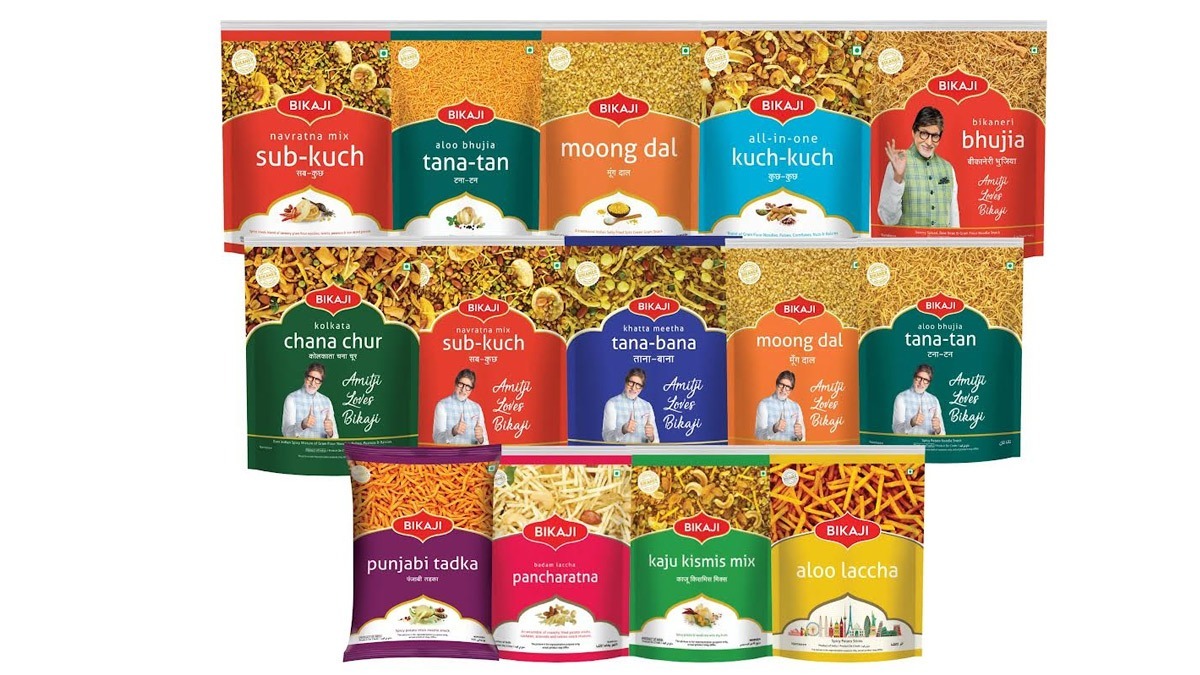
MUMBAI: Bhujia may have built the brand, but clicks, creators and quick deliveries are shaping its next chapter. After more than three decades of leaning on its Bikaneri heritage, Bikaji Foods International is reinventing itself for a digital-first generation, rolling out a refreshed brand identity, creator-led marketing strategy and stronger quick commerce presence to stay relevant in an increasingly competitive snacking market.
The makeover reflects a wider shift sweeping India’s FMCG sector, where shelf space alone is no longer enough. Brands are now competing for attention across social media feeds, creator content and quick commerce apps, where purchasing decisions are made in seconds rather than supermarket aisles.
At the heart of Bikaji’s transformation is its biggest corporate identity overhaul in years. The company has introduced a refreshed logo inspired by Rajasthan’s royal heritage, retaining familiar visual elements while adopting cleaner typography and a more contemporary design aimed at younger consumers in India and overseas.
The redesign is more than a cosmetic refresh. Bikaji says the new identity is intended to preserve the trust and authenticity associated with its origins while making the brand more relevant in today’s fast-evolving consumer landscape.
The company is also changing how it speaks to its audience. Instead of relying primarily on traditional advertising, Bikaji is increasingly investing in creator-led storytelling, regional content, influencer collaborations and consumer-generated engagement to build stronger, more authentic connections with younger consumers.
Strategic partnerships spanning sports, entertainment, media and retail have become a key part of the company’s visibility strategy, mirroring a broader trend across the FMCG industry where creators are increasingly replacing celebrity endorsements as brands chase authenticity and community engagement.
Quick commerce is emerging as another pillar of Bikaji’s growth strategy. Rather than viewing digital platforms solely as sales channels, the company is using data from e-commerce and quick commerce to influence everything from product innovation and portfolio planning to marketing campaigns and consumer engagement.
The company is simultaneously expanding its physical footprint, strengthening its presence across modern trade and online channels while increasing direct retail coverage to more than 3.5 lakh outlets. Its overall distribution network now approaches 14 lakh outlets, giving the brand a stronger presence across urban and rural markets.
Even as it embraces digital transformation, Bikaji continues to reinforce the category that made it famous. Its flagship “Bhujia Ho To Bikaji” campaign remains central to the company’s marketing strategy, spanning television, digital platforms, radio, print and on-ground activations to maintain top-of-mind recall in India’s fiercely competitive ethnic snacks market.
Regional storytelling is also taking centre stage. The company highlighted its “Kya Baat Hai Ji” campaign featuring actor Pankaj Tripathi in Uttar Pradesh, combining local consumer insights with integrated marketing initiatives to deepen engagement in one of its key markets.
The product portfolio is evolving alongside the marketing strategy. While ethnic snacks continue to contribute nearly 69 per cent of revenue, Bikaji is steadily expanding into western snacks, packaged sweets, frozen foods and premium offerings to cater to changing consumer tastes.
The strategy reflects a balancing act familiar to many legacy Indian brands: preserving heritage while embracing modern consumer behaviour. As digital-first challengers and global snack companies intensify competition, Bikaji is wagering that its future lies not in abandoning its roots, but in making them relevant to consumers who are just as likely to discover a brand on Instagram or a quick commerce app as they are on a supermarket shelf.