iWorld
YouTube reports $6 billon ad revenue in Q1, up 49% from year earlier


KOLKATA: YouTube’s advertising revenue rose dramatically in the first quarter of 2021 , up 49 per cent from the same quarter in the last year. As the parent company Google/Alphabet reported its first quarter earnings, YouTube ad revenue amounting to $6 billion has trumped all expectations.
Google and Alphabet chief financial officer Ruth Porat has credited “exceptional performance in direct response and ongoing strength in brand advertising” for the jump in ad revenue. The direct response business is now a large and fast-growing business for the segment, Google chief business officer Philipp Schindler added.
The platform is also working on shopping capabilities of viewers on the platform. “I think we’re still scratching the surface on what’s possible really with commercial intent on YouTube,” Schindler said. He emphasised that advertisers are using YouTube to reach audience that they can’t find anywhere else. The video viewing platform is starting to see an advertiser mix of awareness and more action-oriented formats who are driving reach and results across the funnel.

The video giant currently boasts of over two billion monthly logged users and over one billion hours of daily video consumption. Interestingly, its short video platform has also seen exponential growth. “YouTube Shorts continues to gain popularity with over 6.5 billion daily views as of March, up from 3.5 billion at the end of 2020,” Google and Alphabet CEO Sundar Pichai said.
Overall, Alphabet reported $55.3 billion in Q1 revenue, up 34 per cent year-over-year. “Over the last year, people have turned to Google Search and many online services to stay informed, connected and entertained. We’ve continued our focus on delivering trusted services to help people around the world. Our Cloud services are helping businesses, big and small, accelerate their digital transformations,” Pichai said in a letter to the shareholders.







iWorld
OpenAI hits back at Elon Musk’s lawsuit ahead of trial
Company calls claims “baseless” and accuses Musk of trying to disrupt a rival.
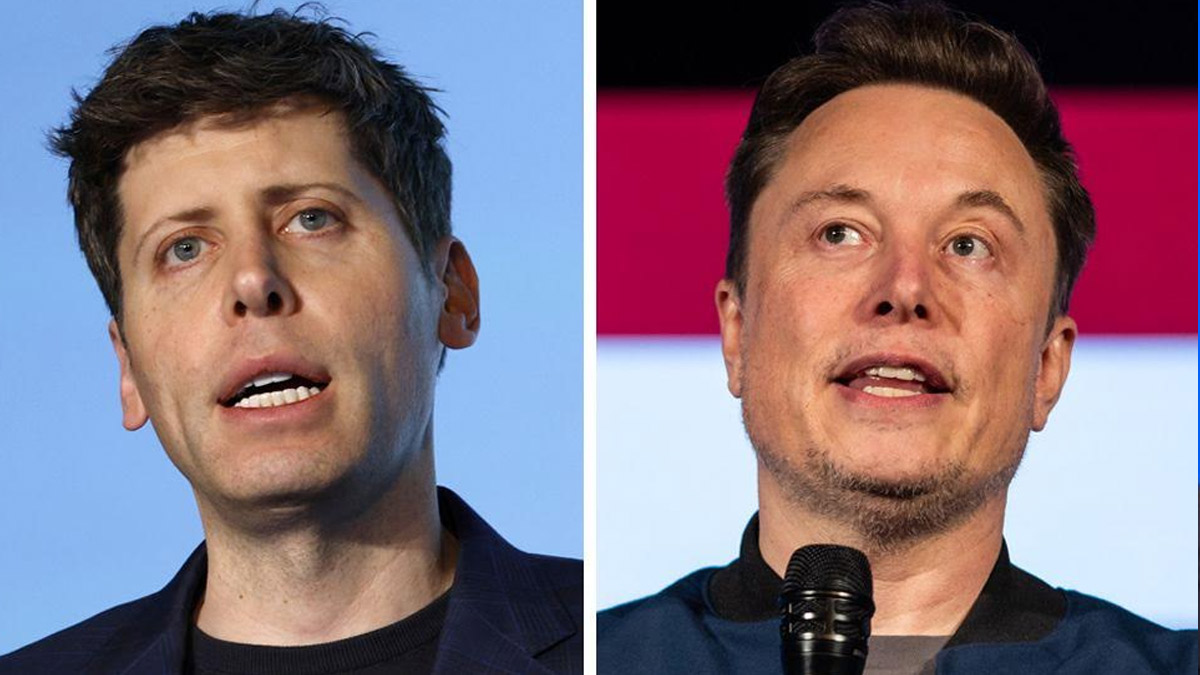
MUMBAI: When the stakes are measured in billions and egos are involved, even Silicon Valley titans can turn a courtroom into a battlefield. OpenAI has issued a sharp public response to Elon Musk’s ongoing lawsuit, accusing the billionaire of filing the case to harass a competitor rather than address genuine concerns. In a strongly worded statement shared on its official X account, OpenAI described Musk’s allegations as “baseless” and suggested the lawsuit is an attempt to disrupt the company as the case heads toward trial later this month in Oakland, California.
The response comes after Musk’s legal team recently amended the complaint, proposing that any damages potentially exceeding $150 billion should go to OpenAI’s nonprofit entity rather than to Musk personally. OpenAI questioned the timing and motive behind this change, calling it a late-stage attempt to “pretend to change his tune” on the nonprofit structure.
The company further labelled the lawsuit a “harassment campaign”, arguing that Musk’s actions are driven by personal rivalry, ego, and a desire for greater control and financial upside.
At the heart of the dispute is Musk’s claim that OpenAI has abandoned its original nonprofit mission of developing artificial intelligence for the benefit of humanity. A co-founder who left in 2018, Musk is seeking governance changes, including the removal of CEO Sam Altman from the nonprofit board, and the return of certain financial gains linked to Altman and President Greg Brockman.
OpenAI has firmly rejected these allegations, maintaining that its current hybrid structure, a public-benefit corporation overseen by a nonprofit parent remains true to its long-term goals. The company has also previously accused Musk of anti-competitive behaviour aimed at weakening its leadership.
As the case prepares for a jury trial, this public exchange highlights the deepening rift between two of the most influential figures in the AI revolution and raises broader questions about governance, mission, and power in the fast-moving world of artificial intelligence.
In the high-stakes game of AI, it seems the real drama isn’t just inside the models, it’s playing out in courtrooms too.






