iWorld
JioStar–Nielsen study reveals breakthrough cross-screen reach in live sports


MUMBAI: In a landmark moment for the advertising industry, JioStar, in partnership with Nielsen, has unveiled a first-of-its-kind cross-screen measurement studyanalysing how audiences engaged with Tata IPL 2025 across linear TV, connected TV and mobile. The groundbreaking insights promise to reshape the way advertisers plan, measure and invest in live sports.
The study, conducted across five major brands spanning carbonated beverages, consumer durables, automotive, fintech and FMCG, captures a wide spectrum of consumer behaviour, from impulse-led purchases to high-consideration categories. This diversity ensures that the findings are broadly representative and relevant to advertisers across sectors.
Using Nielsen digital trackers, Barc television data and Nielsen’s proprietary deduplication methodology, the study creates a true single-view of audiences across platforms, a long-awaited milestone in India’s evolving media landscape.
The results are striking. Audience overlap across linear TV, CTV and mobile stood at less than five per cent, confirming that each screen adds uniquely to total campaign reach. The findings show that brands advertising across both JioStar’s television and digital platforms can gain significant incremental visibility without duplication or wastage.

The study also reveals that unified cross-screen media plans delivered 20 to 40 per cent incremental reach across categories and budgets. In doing so, it demonstrates how fragmented, siloed planning can now be replaced with a holistic, data-driven framework that benefits advertisers, broadcasters and digital platforms alike.
Calling the research “a game changer,” JioStar chief revenue officer – sports Anup Govindan, noted that it offers the first scientific proof of how brands can drive incremental reach in live sports by combining scale with precision. He described the initiative as a blueprint for the next era of advertising, powered by robust data and advanced measurement.
Nielsen chief product officer Akhil Parekh, added that the collaboration sets new global benchmarks by offering unprecedented clarity on cross-platform reach. He said the findings will help brands plan more effectively, optimise investments and drive stronger business outcomes across television and digital.
The insights further show that advanced digital targeting can reduce duplication even more sharply, at times bringing overlap down to around one per cent: evidence of how intelligent media planning can enhance efficiency.
Overall, the study encourages advertisers to embrace unified planning by demonstrating that when television’s unmatched scale is paired with digital’s precision, brands can achieve stronger impact, greater efficiency and more effective return on investment.







iWorld
OpenAI hits back at Elon Musk’s lawsuit ahead of trial
Company calls claims “baseless” and accuses Musk of trying to disrupt a rival.
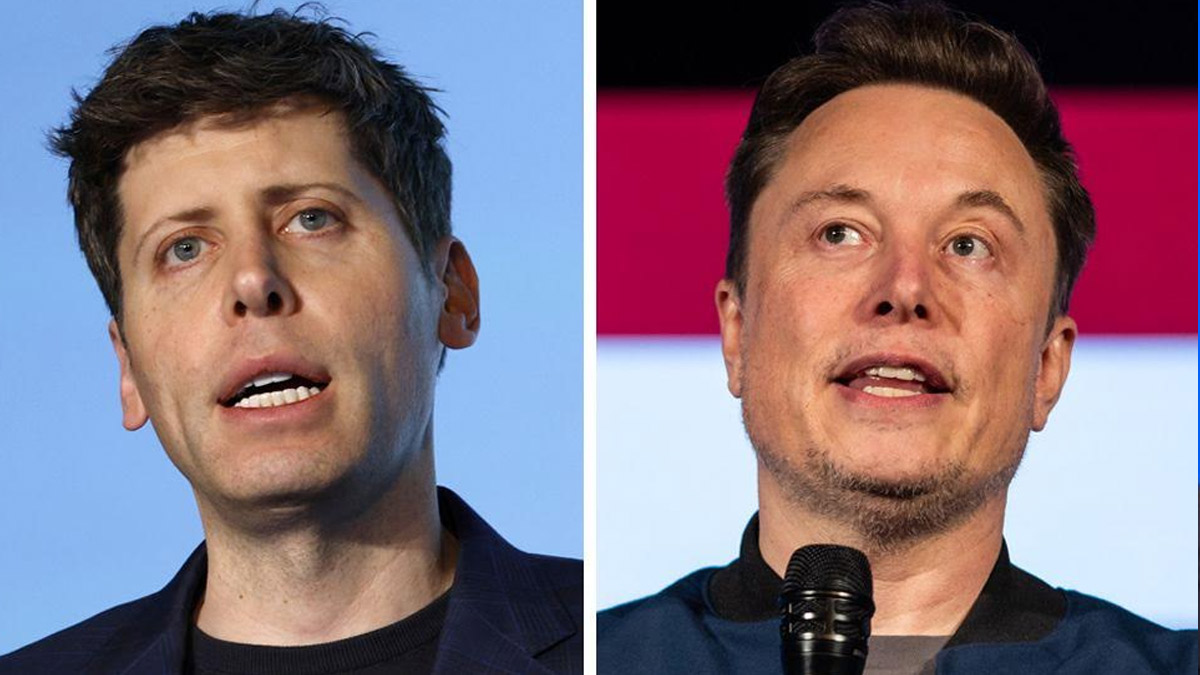
MUMBAI: When the stakes are measured in billions and egos are involved, even Silicon Valley titans can turn a courtroom into a battlefield. OpenAI has issued a sharp public response to Elon Musk’s ongoing lawsuit, accusing the billionaire of filing the case to harass a competitor rather than address genuine concerns. In a strongly worded statement shared on its official X account, OpenAI described Musk’s allegations as “baseless” and suggested the lawsuit is an attempt to disrupt the company as the case heads toward trial later this month in Oakland, California.
The response comes after Musk’s legal team recently amended the complaint, proposing that any damages potentially exceeding $150 billion should go to OpenAI’s nonprofit entity rather than to Musk personally. OpenAI questioned the timing and motive behind this change, calling it a late-stage attempt to “pretend to change his tune” on the nonprofit structure.
The company further labelled the lawsuit a “harassment campaign”, arguing that Musk’s actions are driven by personal rivalry, ego, and a desire for greater control and financial upside.
At the heart of the dispute is Musk’s claim that OpenAI has abandoned its original nonprofit mission of developing artificial intelligence for the benefit of humanity. A co-founder who left in 2018, Musk is seeking governance changes, including the removal of CEO Sam Altman from the nonprofit board, and the return of certain financial gains linked to Altman and President Greg Brockman.
OpenAI has firmly rejected these allegations, maintaining that its current hybrid structure, a public-benefit corporation overseen by a nonprofit parent remains true to its long-term goals. The company has also previously accused Musk of anti-competitive behaviour aimed at weakening its leadership.
As the case prepares for a jury trial, this public exchange highlights the deepening rift between two of the most influential figures in the AI revolution and raises broader questions about governance, mission, and power in the fast-moving world of artificial intelligence.
In the high-stakes game of AI, it seems the real drama isn’t just inside the models, it’s playing out in courtrooms too.






