iWorld
India’s short attention age is rewriting entertainment

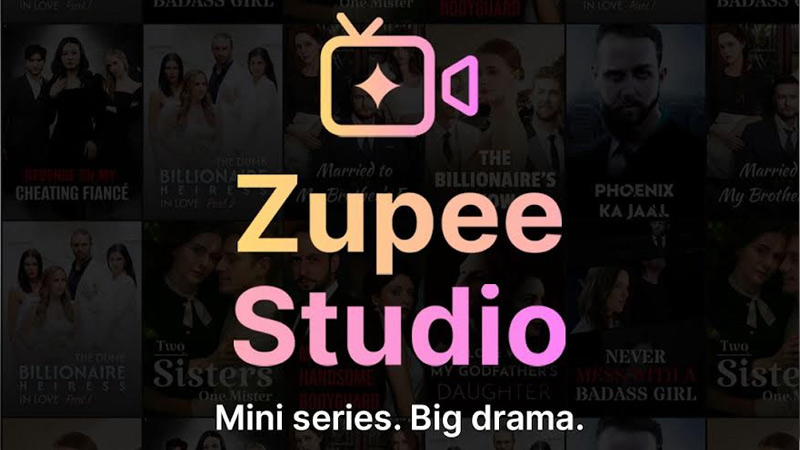
MUMBAI: Short attention spans are not killing storytelling in India. They are quietly giving it a glow-up. In 2026, the country’s entertainment habits have settled into a new rhythm, faster, shorter and more addictive than ever. What looks like harmless timepass on a phone screen is now a full-blown ecosystem of stories, games and commerce. Scrolls have become stages, games have turned into serials and shopping feels a lot like watching a show.
India is not consuming less content. It is consuming more of it, just in smaller, sharper bursts.
The one-minute hook
The modern Indian story has about 60 seconds to make an impression. Sometimes less.
Vertical videos, quick cuts and punchy punchlines now carry the emotional weight once reserved for half-hour episodes. Creators and brands have learnt the trick. Grab attention fast, land a feeling, and leave the audience wanting more before the next scroll.
Artificial intelligence tools have sped up creation, while vernacular-first storytelling has widened the audience. A new army of micro-creators is producing hyper-local content that feels personal, familiar and effortless to consume. The result is a flood of stories that may be short, but rarely forgettable.
India is not losing patience. It is sharpening it.
Micro-dramas, maximum emotion
If daily soaps once ruled Indian evenings, micro-dramas now own the day.
These one-minute episodic clips, released daily on Reels, Shorts and homegrown platforms, pack romance, betrayal and cliffhangers into vertical frames. Each episode ends just early enough to demand the next.
Platforms such as Zupee Studio, Pocket FM and KuKu TV are leading the charge. Zupee Studio’s titles like Meri Pyaari Maa and Billionaire in Love clocked record viewership last year, proving that short-form drama can still deliver big emotions.
The format works because it fits neatly into everyday life. A bus ride, a tea break or a stolen moment before bed is all it takes to stay loyal to a story.
Gaming goes free, and deep
On the gaming side, free-to-play has become India’s great digital leveller.
With no upfront cost, anyone with a smartphone can join in. Instead of charging at the door, games monetise through skins, battle passes and rewarded ads. Progression systems and daily streaks create tiny narratives that keep players invested, not just competitive but emotionally involved.
Games such as Zupee and Ludo King were among the country’s most-played titles in 2025. They show how casual gaming has evolved into a mix of storytelling, community and rivalry, all served in quick, repeatable sessions.
For many users, these games are not a break from stories. They are the story.
Watch it, tap it, buy it
Entertainment and commerce have also collapsed into the same feed.
Short-form video platforms in India have recorded a 3.6-fold rise in daily active users over the past five years. These feeds now double as shop windows, live demo floors and review counters. You watch, you tap, you buy, often without leaving the app.
The numbers tell their own story. India’s online video subscription market is projected to grow from around $700 million in 2020 to $3 billion by 2026. Snackable shows, micro-series and creator-led premium content are driving that growth.
In India’s short attention age, stories have not disappeared. They have simply learnt to travel lighter, move faster and arrive exactly where the audience already is.