MAM
Why restaurants are stepping away from Swiggy, Zomato with #OrderDirect campaign

MUMBAI: Food delivery continues to be the mainstay for the restaurant industry hit hard by the pandemic with lockdowns and restrictions in place. While this has come as a boon for the food aggregators and delivery apps, it has also taken away a significant portion of the restaurants’ earnings by way of commission to these platforms.
With these food apps currently the only source of revenue for many restaurants across the country, restaurants fear the industry is emerging into a duopoly controlled by the food aggregators. With reopening of the hospitality sector looking uncertain in the near future, more eateries are looking to improve margins by trying out alternatives to aggregators Zomato and Swiggy.
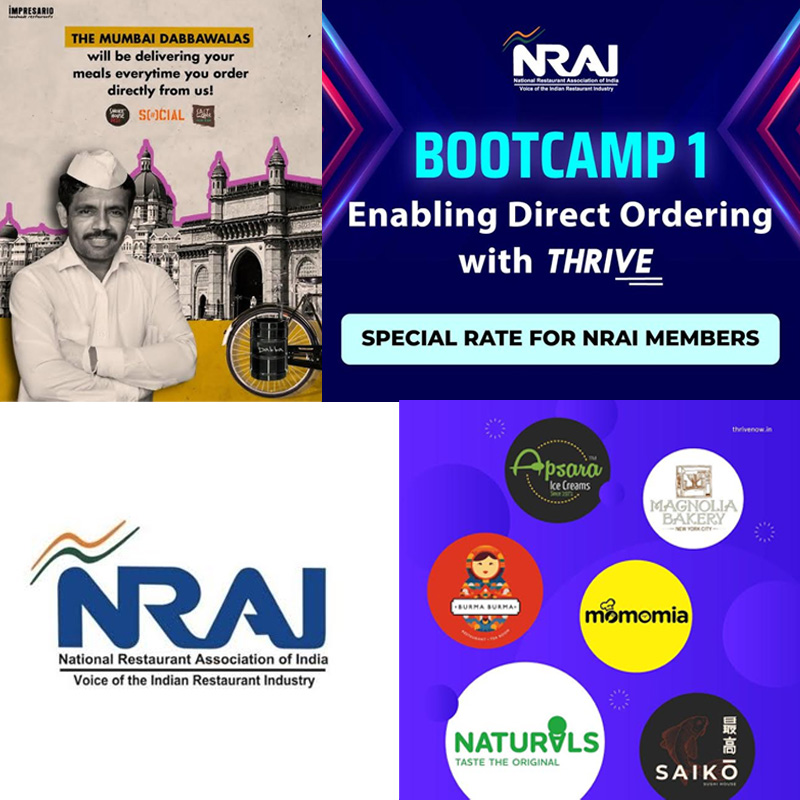
The National Restaurant Association of India (NRAI) recently announced the #OrderDirect campaign to offer a democratized digital channel with low commissions, data ownership, control over policies, and an unbundled technology stack. NRAI president Anurag Katriar referred to the food aggregator apps as ‘virtual landlords’ last year highlighting the urgent need for the sector to reduce its dependence on such platforms. To safeguard their interest, restaurants are now collectively coming up with their loyalty scheme, bill settlement technology, and even a home delivery solution.
Riyaaz Amlani- CEO & MD, Impresario Entertainment and Hospitality, who operates a chain of restaurants in several cities- is among the key voices backing #OrderDirect in India. From this week onwards, in a first-of-its-kind pilot project, his hospitality portfolio has teamed up with Mumbai’s Dabbawala for home deliveries. Riyaaz Amlani posted on LinkedIn, “Thrilled to announce a partnership that just fits. Dabbawalas know a thing or two about getting you your meals on time. They are severely impacted by the pandemic. Working with this awesome group of people is a privilege and a natural extension of our D2C push. #orderdirect “.
Impresario Handmade Restaurants is employing several dabbawalas in Mumbai who will service direct delivery orders received on Impresario’s tech-enabled platforms for their restaurant brands such as SOCIAL, Smoke House Deli, and Salt Water Cafe. Orders from these restaurants in the Lower Parel, Bandra, and BKC areas of Mumbai will be fulfilled by the dabbawalas starting this week in a seemingly win-win solution for both parties. The association will roll out in phases over the next few months, each employing more dabbawalas and strengthening the partnership.
This association also takes away from delivery aggregators such as Swiggy and Zomato. According to Amlani, ordering directly from restaurants (and not through aggregators) empowers the company to have direct and deeper relationships with its customers and saves on prohibitive commissions paid to the aggregators. “We are then able to pass on these savings to our customers and allow them to benefit from ordering directly. Now, ordering directly is also helping to employ our dabbawalas, who have lost their livelihoods due to the pandemic. We need to support each other through these trying times, and this is Impresario’s way of meaningfully extending a helping hand. We are hopeful that this association will trigger the rest of the hospitality industry to employ them too,” he told a publication.
While recognising the positive aspects of what the aggregators are offering the restaurants and customers, Food Matters’ founder and CEO India Gauri Devidayal, says “This relationship is no longer a partnership but rather is one built on dependency… This is not just about saving on commissions but also servicing an increased radius of delivery and therefore having the potential for higher revenues.”
For restaurateurs looking to start their online ordering platform and reduce dependency on food aggregators DotPe, Thrive Now and Peppo are some of the tech partners supporting NRAI in this campaign. They are helping to build full-stack solutions and a sustainable hospitality ecosystem together with the restaurants.
Whether these innovations are feasible and able to democratize the food industry, only time will tell.