Digital
Russhabh Thakkar on cracking India’s CTV code, one immersive ad at a time

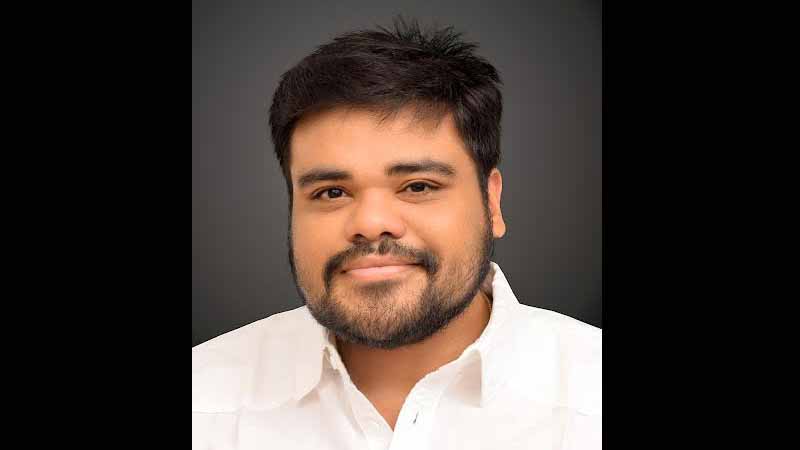
MUMBAI: For Russhabh Thakkar, founder and CEO of Frodoh, held a curiosity back in time about where technology intersects with media CTV, DOOH, and the systems behind how ads really work. He knew that he wanted to build something of his own in that space. Frodoh came from spotting the gap between how people watch today and how brands still plan. The goal was simple, build for the way attention actually works now, not how it used to.
Perched in his no-frills office in the heart of Lower Parel, Thakkar was all set for a deep-dive chat, coffee brewed and insights loaded. But in true Mumbai fashion, the city’s legendary traffic had other plans. Yours truly arrived fashionably late (read: embarrassingly delayed), much to Thakkar’s polite but unmistakable dismay.
Still, being the sport he is, we squeezed in a zippy 20-minute power convo before he dashed off for an urgent client meet. “No worries,” he smiled, “I’ll put pen to paper or well, fingers to keyboard and send over the rest.” And just like that, what started as a botched in-person interview turned into a digital dialogue packed with CTV gold.
With the mantra “Don’t just get viewed, get noticed,” Thakkar and his team are helping brands ditch passive impressions for precision engagement. “We saw the gap early,” says Thakkar. “People were watching content differently, but ads hadn’t caught up. Frodoh is built for the way attention works now and not how it used to.”
According to the FICCI-EY 2025 report, India has over 30 million CTV sets, with viewers clocking 40+ hours per month on smart TVs. But Thakkar believes this isn’t just about reach, “It’s where scale meets intent in real time.” With tier 2 and 3 towns joining the CTV party thanks to affordable smart TVs and bundled OTT deals, the viewing landscape has exploded. But most brands, he says, are “still fumbling with legacy playbooks.” Yes, Frodoh is helping them unlearn.
Old-school demographics don’t work in today’s CTV ecosystem. Thakkar explains, “It’s not about who is watching, but why, when, and how.” His team helps brands track viewing behaviour, content types, and time-of-day data to serve dynamic creatives, sequential stories, and context-rich moments.
To supercharge this, they built Frodoh Forge, an AI-powered campaign planner that takes a brand brief, decodes audience signals, suggests channels, and builds a media plan in minutes. “No extra forms. No lag. And everything’s tracked live,” he adds.
While many still see programmatic CTV as a shiny new buzzword, Thakkar insists it’s “the backbone of how smart media gets delivered today.” As a supply-side platform (SSP), Frodoh curates inventory across niche OTTs, regional OEMs, and long-tail content players—making them DSP-agnostic and giving agencies the flexibility they crave.
And with India’s ad market pegged to hit Rs 1.64 lakh crore according to GroupM’s TYNY 2025 report, CTV is no longer a footnote. “It’s the bridge between scale and precision,” says Thakkar. “We’re already seeing brands move from testing to long-term bets.”
Frodoh sees shoppable TV, QR overlays, and pause ads as the next big frontiers—formats that turn the screen into a point-of-sale without breaking immersion. “We’re not just watching CTV anymore, we’re starting to use it,” he says.
Thakkar is clear-eyed about the road ahead. “India’s CTV shift isn’t a trend, it’s a tectonic change. Some are adapting. We were built for it.”
With the right blend of technology, talent, and timing, Frodoh World is ensuring brands don’t just survive this bonfire, they shine through it.