MAM
“India is the second largest TV market globally with 210Mn Tv HHs”: GroupM’s Atique Kazi

Mumbai: The emergence of addressable TV has been nothing short of ground-breaking. Offering targeted advertising opportunities and personalized content delivery, addressable TV has swiftly carved out a significant niche in the industry. India, with its burgeoning digital market and rapidly expanding connectivity, has been at the forefront of this transformative shift.
The latest insights from GroupM’s TYNY 2024 report shed light on the remarkable momentum witnessed in the realm of TV in India. Unlike the global market, TV marked a seven per cent growth with the market share of 29 per cent. With each passing year, the adoption of connected TV and the prevalence of addressable TV homes have surged, reshaping the way audiences engage with television content and advertising.
The report cites phenomenal momentum in the space of addressable TV over the last few years. By the end of 2023, there were 34 million addressable TV homes streaming on connected TV in India. As per the report, in 2024, this growth is expected to be reaching 45 million homes with a YoY growth of 21 per cent.
By delving into the key findings of the report, it becomes evident that addressable TV is not just a passing trend but a fundamental evolution in the media landscape, poised to reach unprecedented heights in the year 2024. With projections indicating substantial growth in the number of addressable TV homes, India stands on the brink of a new era in television broadcasting and advertising.
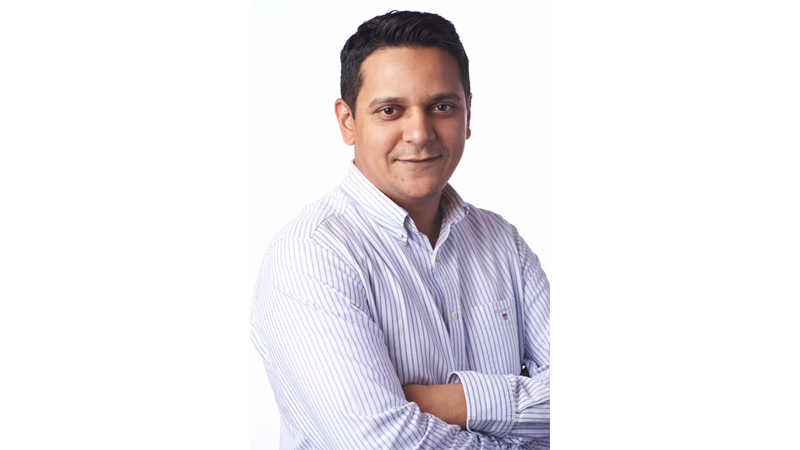
Let’s explore the implications of this growth and future of media consumption in India as Indiantelevision on the sidelines of the GroupM event, caught up with GroupM India president (Data Performance and Digital Products) Atique Kazi, where he shared a lot of insights on the current addressable & linear TV space….
Edited excerpts
On the growth of addressable and linear TV in India
In recent years, the growth of addressable TV homes has been significant. With 7-8 million Addressable TVs in 2021, it quickly rose to 17-18 million and now crossed 34 million. Current projections suggest it could breach 45 million, translating to approximately 21% of TV households in India, given there are around 210-213 million Television households. This growth is fuelled partly by the widespread availability of unlimited broadband, allowing people to stream content without constraints. Interestingly, many of the 45 million users are not completely abandoning traditional TV but are instead switching between linear and on-demand content. Primarily, these users are younger than 40, as older individuals may struggle with new user interfaces & habits. People are making smarter choices based on their viewing habits, opting for platforms that offer their preferred content without additional costs. This trend indicates a shift towards more flexible viewing options.
On difference between USA and India’s television business and India reaching on par with the developed nations
India is the second largest TV market globally with 210Mn Tv HHs. Recent increases in prices and the abundance of content accessible through streaming platforms are prompting consumers to transition from Pay TV to Free TV, often supplemented by low-cost or ad-supported streaming services made possible by improved internet connectivity. In the United States, over 85% of households are users of Connected TV (CTV), whereas in India, CTV penetration stands at only approximately 16% (FYR only 34mn/210mn), indicating significant growth potential in India. CTV advertising constitutes 7% of the total media expenditure in the US, while India has just embarked on this journey in the last three years, with digital extensions already accounting for 4% %( FYR only 5750cr/155386 cr ) of the overall advertising expenditure and expected to surpass the US average.
On consumers preferring TV over mobile phones for media consumption
The preference for viewing always rests with the consumer based on their convenience. For example, while I am outside home and want to catch on to my favourite content, mobile is definitely an option. But at the comforts of home when you have access to a large screen, preferences change. What has happened now is the ease of access to content is the same on TV & mobile, what changes is the environment with whom/where you watch them. With features such in IPL like multi camera viewing angles and enhanced post-match production, viewers are provided with an improved viewing experience, influencing their choice on a big screen vs small screen.
On the fall of DTH industry according to TRAI’s latest reports on losing 1.32 paid subscribers in July-September 2023
The DTH industry is shifting towards free-to-air (FTA) content over pay TV, building the need for smarter, internet-enabled set-top boxes. The advancement I foresee is for the insertion of addressable ads on linear television, revolutionizing the advertising ecosystem. However, the industry faces challenges due to broadcasters’ split strategy for television and their digital platforms, as well as the disconnect between broadcasters and distributors. Without collaboration to effectively sell addressable ads, the potential benefits of this technology, as seen in markets like Korea, may not be easy in India. Airtel and Tata Play have introduced smart set-top boxes capable of addressable ads, but without broadcaster collaboration, unlocking their full potential may prove difficult.