
Sports
GUEST COLUMN: Why the next big battle in sports may be for viewer attention, not just broadcast rights
As real-money gaming fades and mobile-first viewing takes over, keeping audiences hooked matters more than owning the game


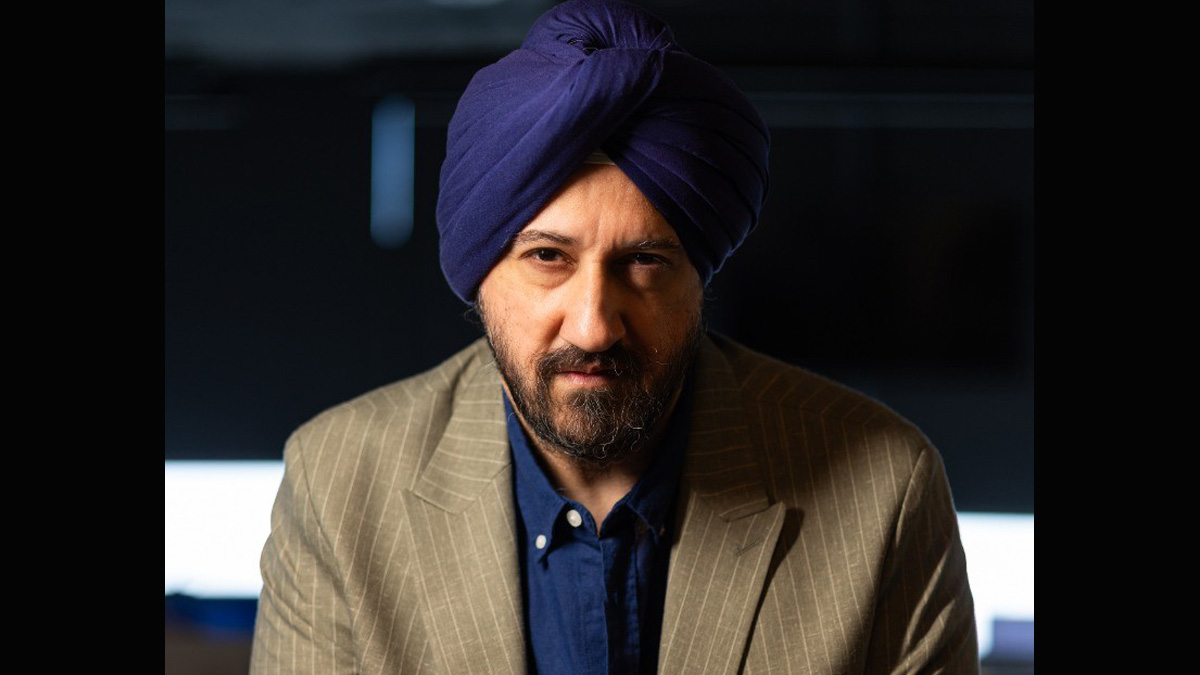
NEW DELHI: Divyajot Ahluwalia is founder-director of wTVision Solutions Pvt. Ltd., the India arm of wTVision, a global provider of real-time graphics and channel automation solutions for the broadcast industry. Based in New Delhi, he has led wTVision India since March 2012, focusing on integrating technology, design and operational efficiency to deliver real-time graphics, data and AI-driven tools that elevate the broadcast and audience experience across sports, elections and entertainment. In this authored article, he shares his views on how the battle for sports viewership in India is shifting from rights ownership to attention ownership, arguing that with real-money gaming curbed by new regulation and audiences overwhelmingly mobile-first, broadcasters must now compete with social media and short-video platforms for eyeballs, making personalisation, contextual storytelling and mobile-native experiences the industry’s next real competitive edge.
For decades, sports media has been driven by one fundamental asset: rights. Whoever owned the rights owned the audience. But as viewing habits fragment across devices and platforms, that equation is changing. Rights still determine who can show the game. Increasingly, however, the bigger challenge is keeping viewers engaged once they arrive.
Nowhere is this shift more pronounced than in India, where several powerful market forces are converging to make viewer attention, not content access- the industry’s most valuable currency.
When India’s biggest attention engine disappeared
Globally, betting and fantasy sports have become powerful engagement tools. They give viewers a reason to stay invested in every phase of a match.
India, however, has moved in a different direction. The momentum around real-money gaming was interrupted by the Promotion and Regulation of Online Gaming Act, 2025. For platforms such as Dream11, despite a user base of more than 220 million, the rules of the game changed overnight.
This matters because one of the most effective attention-retention mechanisms in global sport has effectively disappeared from the Indian market. Without fantasy and betting acting as engagement layers, broadcasters and platforms must rely on something else to keep audiences invested. The answer increasingly lies in the viewing experience itself—through personalisation, contextual storytelling, and formats designed specifically for how modern audiences consume sport.
The world’s largest mobile-first sports audience
Much of the global sports media conversation centres on cord-cutting. India largely skipped that stage altogether.
Sports consumption in India has been built on smartphones, affordable data, widespread 5G access, and digital-first behaviour. IPL 2025 attracted 652 million digital viewers and reached a peak concurrency of 55.2 million viewers on JioHotstar, making it the most-watched T20 match in digital history.
The significance of these numbers extends beyond scale. They reflect the reality that India’s primary sports screen is already mobile. For hundreds of millions of fans, sport is consumed on a device that is personal, interactive, and naturally vertical. Designing content for mobile-first consumption is therefore not about following a trend. It is about aligning with audience behaviour.
Competing Against the Feed, Not the Broadcaster
The battle for attention is particularly evident among younger audiences. Globally, only 31% of fans aged 18-24 regularly watch live matches, compared with 75% of fans over 55. Younger viewers increasingly consume sport through highlights, clips, creators, and social interaction.
India mirrors this trend. A FIFS-Deloitte study found that more than 80% of Indian sports fans use a second screen during live broadcasts. In reality, for many younger viewers, the phone is no longer a second screen at all. It is where attention resides.
This means broadcasters are no longer competing solely with one another. They are competing with Instagram Reels, YouTube Shorts, WhatsApp conversations, gaming platforms, and every other form of digital entertainment occupying the same screen. The challenge is not getting viewers onto mobile; it is becoming the most compelling content on it.
From rights ownership to experience ownership
As viewing shifts to digital environments, the metrics that matter are changing. Ratings alone no longer capture audience value. Watch-time, retention, concurrency, engagement, and sharing behaviour increasingly tell the real story.
This shift is becoming more important as sports streaming moves from free acquisition models towards subscription and hybrid revenue structures. With JioCinema’s free model ending before IPL 2025 and paid plans becoming the norm, audience attention can no longer be assumed.
The competitive moat is therefore shifting. Rights ownership remains important, but sustainable advantage increasingly belongs to organisations that create the most engaging experiences around those rights.
Winning the next hundred million fans
The next phase of sports growth in India will come from Bharat, regional-language audiences, and emerging sports that do not benefit from cricket’s natural scale.
For these audiences and properties, attention must be actively created. Dream11’s “Game On, Bharat” campaign showed how effectively vernacular, mobile-first experiences can drive engagement. Similar efforts are now visible across kabaddi and football, where leagues are investing in regional content and fan-focused digital experiences.
For both emerging audiences and emerging sports, mobile-native experiences are becoming the primary growth engine.
The new battleground
The sports industry is entering an era where rights ownership and attention ownership are becoming separate contests.
The first determines who can show the game.
The second determines who wins the audience.
India’s mobile-first market, changing viewer behaviour, evolving streaming economics, and the removal of fantasy gaming as a mass engagement mechanism have accelerated this shift. Rights will continue to matter, but they may no longer be the industry’s most decisive advantage.
In the decade ahead, the winners in sports media are likely to be those who understand a simple reality: access to content attracts viewers, but experience is what keeps them there.






