Content Hub
TCH 2022: Competition will drive TV to innovate its programming

Mumbai: Two decades ago, when audiences wanted to consume entertainment in a video format, they had only two options – TV and cinema. Today, the modes of delivering video content have grown multi-fold. Content production, too, has seen a democratization with new technologies that have enabled every individual to become a creator. This has radically changed the dynamic of content consumption which is also affecting TV.
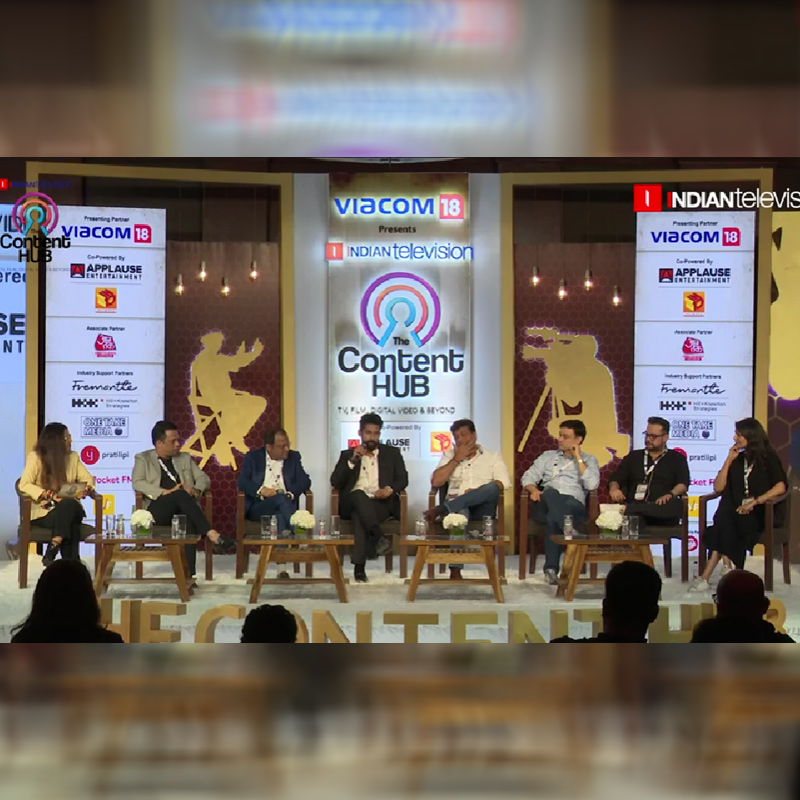
At the sixth edition of Viacom18 presents The Content Hub Summit 2022 organized by Indiantelevision.com held recently, panellists discussed the topic ‘Mastering a New TV Language’ to get ahead of changing TV viewing habits and develop content to suit the audience preferences.
The session was chaired by media and entertainment advisor Mansi Darbar and was joined by Fremantle India Television Productions managing director Aradhana Bhola, The Q programming head Ashutosh Barve, Endemol Shine India chief operating officer Gourav Gokhale, Sony Pictures Networks India business head – Sony SAB, PAL and Hindi movies cluster Neeraj Vyas, Dreamiyata Entertainment actor and producer Ravi Dubey, Atrangii founder Vibhu Agarwal, Beyond Dreams Group founder and managing director Yash A Patnaik.

The discussion began by trying to understand what has essentially changed with the audience contrasting the 90s to the 2020s.
Sony Pictures Networks’ Neeraj Vyas, who is a broadcast industry veteran with over 25 years of experience, observed, “Today, TV still has 60 per cent of penetration but there’s a variety of alternatives for video consumption. The environment is a lot more competitive with emerging formats like long-form, short-form, video-on-demand etc.”
He contrasted the current state of TV to the transformation of cinemas post the 80-90s. He said, “The movies of the 80s and 90s were very similar. The movie industry had fallen into a rut until multiplexes opened up, where you could have different shows all screening at the same time. This choice infused a freshness in the movie business with new stories like ‘Lagaan’ and ‘Dil Chahta Hai’.”
“TV is being tested with the variety of alternatives that are available. We need to balance between the TV ratings reality and finding out what the consumer actually wants,” he added.
Fremantle India’s Aradhana Bhola, behind shows like Indian Idol, India’s Got Talent, said that “The biggest change has been the pattern of consumption on TV. There used to be a culture of co-viewing on TV where more than one viewer was in front on a TV set. Now, co-viewing has turned into individual viewing with personal devices such as iPads and smartphones.”
TV producer Yash A Patnaik candidly said that he is as old as the TV industry in India. He is the producer behind the shows Veera for StarPlus, Sadda Haq for Channel V, Ishq Me Marjawan for Colors, Kuch Rang Pyaar Ke Aise Bhi for Sony Pictures Networks and Raksha Bandhan for Dangal.
He noted that content has more of a voice today as compared to platforms. Earlier, the success of a show was dictated by how many episodes of content it aired. But, now, shows have different buyers for different formats and different audience cohorts.
Endemol Shine India’s Gourav Gokhale agreed. “Philosophically speaking, technology has made us impatient,” he stated. “People want to see a finite series for the immediate gratification. The expected size of a show has come down as audiences want the climax to come earlier. Also, audiences are consuming content at any time, anywhere, whether during their lunch break or during their commute.”
He remarked that the nature of TV content being 24-minute long shows airing at 9 p.m in the night needs to be reassessed.
The Q India is changing the language on TV by bringing popular digital formats to TV. Ashutosh Barve said that while consumption of content has changed over the years, the core TV programming has not. “It is the same five per cent of shows that are doing well, today, as they did years ago. The bulk of consumption on TV remains the same.”
However, “there are all sorts of formats making inroads from digital on to TV and we’re leading the charge,” he added.
“The measurement reality of our country is not accurately reflecting the viewing reality of the TV audience as there has been a log of change in the last five years,” said Vyas.
Vyas, who manages six channels under Sony Pictures Networks including Hindi GEC Sony SAB, said that in the future he does not see Sony SAB being just a channel but a differentiated brand that is available across platforms. “
Vibhu Agarwal, who founded OTT platform Ullu and Hindi general entertainment channel Atrangii, said there’s an audience for all kinds of content formats. “When I watch on digital, discovery is a big problem, and by the time I settle on a piece of content, my dinner is finished!” he candidly shared. Highlighting that even with the emergence of digital media, traditional media such as print, radio and TV continue to see robust consumption. “Why did I, as a digital player, choose to launch a TV channel? Because people are just as interested in TV long-format series as much as they are interested in a finite web series.”
Bhola affirmed that content producers are scrutinising which broadcast partner, target audience and genre/format works best to showcase their talent and story. She said that it’s the nature of the idea and duration of the series that dictates which platform it is made available on.
Actor and producer Ravi Dubey recalled that the pioneering shows on TV arrived much before there was any research to back them up. He stated “As a creative person in the industry, I still believe in backing shows based purely on gut instinct.”
Watch the full session.






Mumbai: Exploring the shift from regional to national content, this synopsis delves into the trends and challenges. It navigates the transformation, analyzing industry dynamics, emerging trends, and the hurdles faced. From preserving regional variation to adapting to a broader audience, it examines the multifaceted journey of regional content evolving into a national narrative. In what ways do the emerging trends and challenges influence the dynamics of the entertainment industry during this transition? How can creators navigate these changes effectively? What strategic approaches can content creators adopt to strike a balance between maintaining regional identity and fostering a cohesive national narrative in their work? How can the transition from ‘regional’ to ‘national content’ impact cultural diversity within the entertainment industry, and what measures can be taken to ensure the preservation of regional variation?
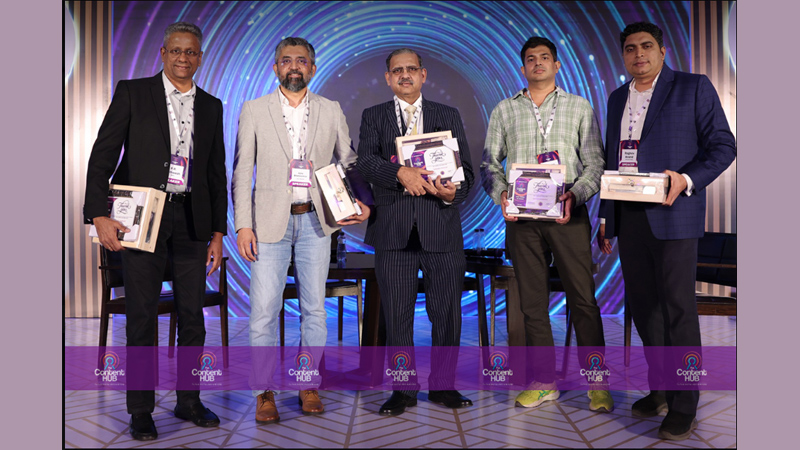
In a rapidly evolving media landscape, seasoned industry professionals have offered valuable insights into the transformation of content consumption and production. The session was chaired by Ernst and Young partner Raghav Anand, MMTV chief executive officer P.R. Satheesh, Sony Marathi business head Ajay Bhalwankar, PTC Network chairman & MD Rabindra Narayan, Shemaroo Entertainment COO, Digital, Saurabh Srivastava esteemed voices in the field, have articulated their perspectives on the burgeoning shift towards globalised content.
Rabindra Narayan emphasised the dissolution of regional boundaries in content consumption, attributing it to the accessibility facilitated by global platforms and connectivity options. He predicts a future where language barriers will fade, citing the potential of technology to clone and adapt voices, thus enabling seamless localization across languages.
Saurabh highlighted the democratisation of content creation in the digital era, underscoring its empowerment and revenue potential, particularly in linguistically diverse markets like India. He emphasizes the value of culturally rooted storytelling in filling gaps in content supply, with technology enabling effective monetization, especially through OTT platforms.
Ajay Bhalwan sheds light on the evolving landscape of Hindi and regional language content, noting a significant shift where a substantial portion of content on Hindi film channels originates from regional languages. He accentuates the importance of language in enhancing authenticity and audience engagement, exemplified by the strong resonance of Marathi content in Maharashtra.
PR Satheesh underscored the paramount importance of content quality in driving viewership and transcending language barriers. Drawing parallels with the global popularity of Korean dramas, he advocates for leveraging technology, including AI and real-time translations, to enhance content creation and distribution.
These insightful perspectives collectively echoed the industry’s adaptation to a globalised content landscape, where technology catalyzes innovation and accessibility. As content continues to evolve, these experts offered valuable guidance on navigating the dynamic media landscape and maximizing the impact of storytelling in diverse markets worldwide.