iWorld
Netflix’s Aashish Singh joins Lyca Productions
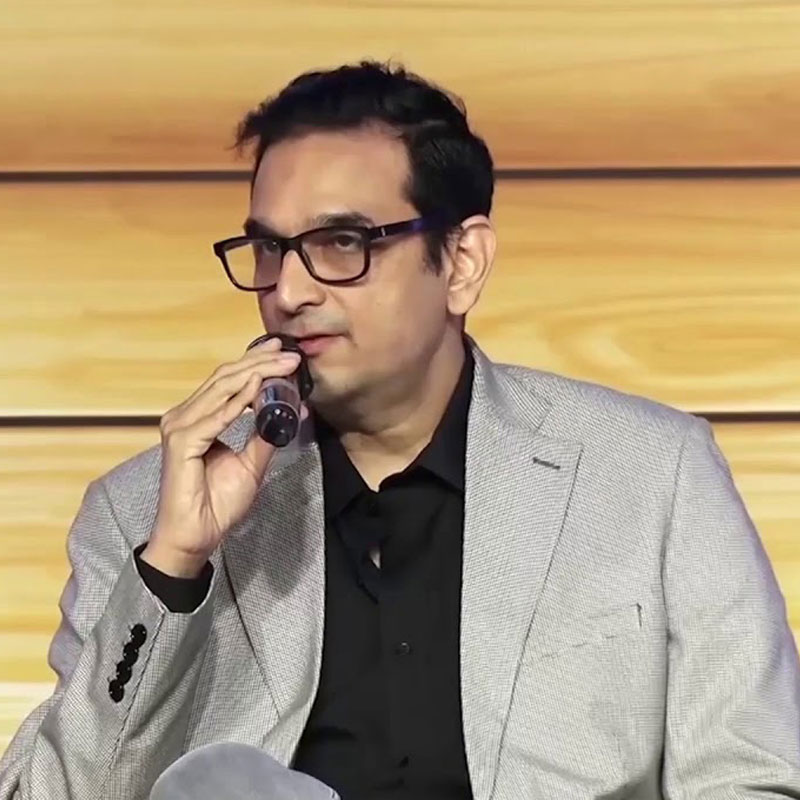
KOLKATA: Netflix India original film director Aashish Singh has called it quits. Singh has moved on to join Lyca Productions as CEO.
Lyca Productions, one of the big names in the South Indian film industry, is looking to move into the Hindi movie space. Singh with his vast experience across brands like Netflix, Balaji Telefilms, YRF will help the company make inroads into Bollywood.
Singh joined Netflix in 2019 when the streaming service started expanding its Indian team. Prior to that, the media veteran was CEO of Balaji Motion Pictures. He spent over 15 years with Yash Raj Films where he worked as production head-on films like Tiger Zinda Hai, Sultan, Dhoom 2 & 3, Ek Tha Tiger, and Chak De India, among others. He also occupied the position of vice president, production.

Gaming
Bluestone FY26 revenue rises to Rs 2,436 crore, turns profitable
Q4 profit at Rs 31 crore, full-year profit at Rs 13 crore vs loss last year.
MUMBAI: From sparkle to numbers, Bluestone seems to be polishing more than just jewellery this year. Bluestone Jewellery and Lifestyle Limited reported a sharp turnaround in FY26, with revenue from operations rising to Rs 2,436 crore (Rs 24,364 million), up from Rs 1,770 crore (Rs 17,700 million) in FY25. The company posted a full-year profit of Rs 13 crore (Rs 131.79 million), a significant recovery from a loss of Rs 222 crore (Rs 2,218 million) a year ago.
Total income for the year stood at Rs 2,486 crore (Rs 24,860 million), compared to Rs 1,830 crore (Rs 18,300 million) in the previous year, reflecting both topline growth and improved operational momentum.
The March quarter, however, told a more nuanced story. Revenue from operations came in at Rs 681 crore (Rs 6,814 million), down from Rs 748 crore (Rs 7,486 million) in the year-ago period, though higher than Rs 461 crore (Rs 4,613 million) in the preceding December quarter. Net profit for Q4 stood at Rs 31 crore (Rs 311.81 million), compared to Rs 68 crore (Rs 688 million) a year earlier, but a clear reversal from a loss of Rs 51 crore (Rs 512 million) in Q3.
Margins were shaped by higher input costs, with raw material consumption rising to Rs 2,204 crore (Rs 22,043 million) for the full year, alongside employee benefit expenses of Rs 282 crore (Rs 2,824 million) and finance costs of Rs 210 crore (Rs 2,104 million). Other expenses came in at Rs 371 crore (Rs 3,715 million), slightly lower than Rs 393 crore (Rs 3,938 million) in FY25.
On the balance sheet front, total assets expanded to Rs 4,961 crore (Rs 49,610 million) as of March 31, 2026, from Rs 3,532 crore (Rs 35,322 million) a year earlier, driven largely by a surge in inventories to Rs 2,672 crore (Rs 26,718 million). Equity also strengthened to Rs 1,803 crore (Rs 18,030 million), nearly doubling from Rs 911 crore (Rs 9,107 million).
Cash flows reflected the cost of growth. Net cash used in operating activities stood at Rs 199 crore (Rs 1,990 million), while investing activities saw an outflow of Rs 239 crore (Rs 2,392 million). Financing activities, however, generated Rs 497 crore (Rs 4,971 million), helping the company end the year with cash and cash equivalents of Rs 108 crore (Rs 1,075 million), up from Rs 49 crore (Rs 487 million).
Earnings per share for FY26 came in at Rs 1.10, a sharp improvement from a negative Rs 79.74 in FY25, underlining the shift from losses to profitability.
With revenue scaling up, costs still glittering on the higher side, and profitability finally back in the black, BlueStone’s FY26 performance suggests a business mid-transition less about shine alone, and more about sustaining it.