iWorld
Freemium model in OTT is the future

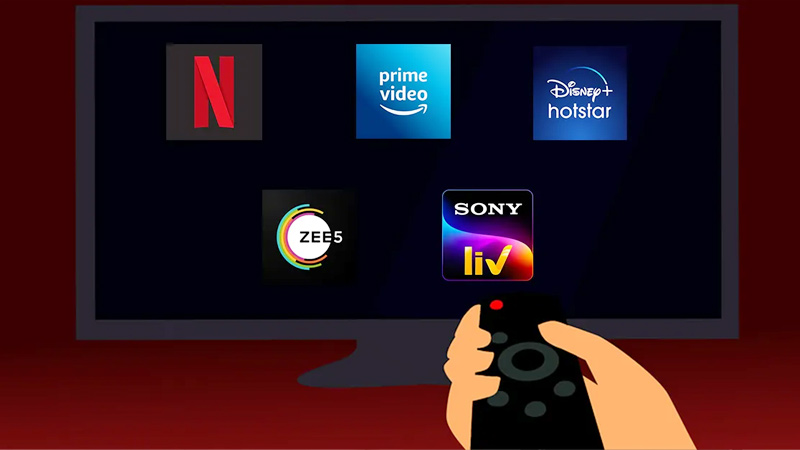
Mumbai: US subscriber base of Netflix and Disney+ reported growth of 5.4 per cent YoY and 0.2 per cent YoY in Q3CY23, respectively; the international segment outperformed with subscriber growth of 10.5 per cent YoY and 17.0 per cent YoY for Netflix and Disney+, respectively. Netflix continues to lead as it has a paid subscriber base of 247.2mn vs 150.2mn of Disney+. Disney+Hotstar(India and other Asia nations) paid subscribers declined for the fourth consecutive quarter, as it fell 38.7 per cent YoY; Disney+ Hotstar has lost 37 per cent of its paid subscriber base (now at 37.6 mn paid subs) over the four quarters after 1) losing Indian Premier League (IPL) digital rights and 2) offering World Cup content free of cost, which also has led to a loss in paid subscriber base over the past two months. We believe Disney+Hotstar subscriber loss has bottomed and may see mid-single digit growth over the next few quarters based on new content offerings – movies and web series slate. Netflix (US) average revenue per user (ARPU) declined 0.5 per cent YoY whereas Disney+ (US) posted ARPU growth of 23 per cent YoY (on a low base) during the quarter. In India, Disney+Hotstar was the only platform that grew 20.7 per cent YoY to USD 0.7 or Rs 58 per month on low base.
Focus on cost optimisation driving increased monetisation
Netflix’s innovative move on paid sharing has reaped rich dividends, as it has led to better subscriber growth, which was 9.4 per cent YoY (average) over the past two quarters since the introduction of this feature in May’23 ; the ad tier model too has received a positive response and can become big, led by connected TV adoption globally, as Netflix also plans to make inroads in the gaming business too. Disney+ has also seen success in the ad supported plan, as 50 per cent of new subscriber addition is on ad-supported model. Disney+ plans to reduce losses in the streaming business and has cut annual content budget by 7 per cent YoY to USD 25bn. Disney continues to evaluate strategic options for its linear TV networks while maintaining focus on cost optimisation and high-quality content delivery.

Read through for Indian OTT
Zee5, India’s larger broadcaster peer, too has focused on efficiency in its digital business, as losses narrowed marginally by 8.3 per cent YoY to Rs 2.5bn. India’s OTT market has seen a big disruption post Jio Cinema’s free offering of IPL content, which, in turn, will negatively affect subscription video on-demand (SVOD) revenue growth, as platforms may be unable to raise prices; innovative measures, such as ad-supported streaming and password-sharing initiatives may be the only levers for better monetization. Disney+Hotstar continues to look for a strategic partner, and high probability of the Z-Sony merger, we still believe India’s OTT market will see early signs of consolidation in the near to medium term, which is the only way content cost would climb down and enable platforms to move closer to break-even & profitability.
The credit of this article goes to Elara Capital SVP Karan Taurani.






iWorld
JioHotstar enters micro-drama space with 100 shows under Tadka banner
Short-form push targets 300M users as content meets commerce in new format
MUMBAI: JioStar has made a bold play in India’s fast-growing micro-drama space, rolling out over 100 short-form shows under its new Tadka banner on JioHotstar, timed with the massive viewership surge of the Indian Premier League 2026.
The scale of the launch signals clear intent. Rather than testing the waters, the company has dived in headfirst, releasing a wide slate of content on day one. Each show is designed for quick consumption, with episodes running 60 to 90 seconds in a vertical format tailored for mobile-first audiences.
The move comes as India’s micro-drama market, currently valued at around $300 million, is projected to grow tenfold to over $3 billion by 2030. Globally, the format has already proven its mettle, with China’s micro-drama sector recording explosive growth in recent years.
What sets this rollout apart is its built-in monetisation strategy. The shows are free to watch and ad-supported, with brand integrations woven directly into storylines from the outset. It reflects a broader shift where content and commerce are increasingly intertwined, rather than operating in silos.
The timing is equally strategic. With more than 300 million users already tuning in for IPL action, JioHotstar is effectively turning cricket’s biggest stage into a discovery engine for its new format.
The company is not entering an empty arena. Early movers like Kuku TV, MX Player and platforms backed by Zee Entertainment Enterprises have already laid the groundwork, building audiences and validating demand for snackable storytelling.
Now, with scale, distribution and advertiser interest aligning, the big players are stepping in. For JioStar, Tadka may well serve as a proving ground for the next evolution of digital entertainment, where every minute counts and every second sells.
If the bet pays off, India’s next big content wave might just arrive in under 90 seconds.






