iWorld
Did Duffer Brothers use ChatGPT to write the Stranger Things’ finale? Fans speculate

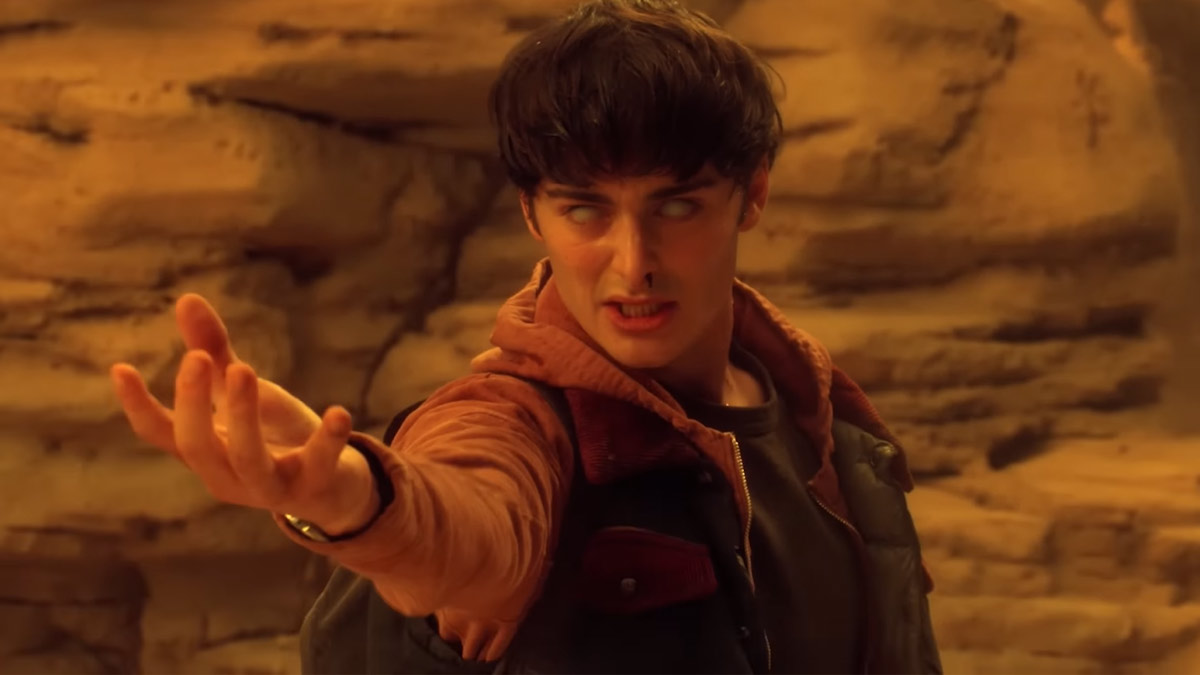
LOS ANGELES: Even in its afterlife, Stranger Things refuses to go quietly. Weeks after the Netflix juggernaut bowed out with a glossy farewell documentary, the internet has found a fresh mystery to obsess over: an alleged glimpse of a ChatGPT tab in the writers’ browser.
The spark came from One Last Adventure: The Making of Stranger Things, released on January 12, which chronicled the final stretch of the nostalgia-soaked sci-fi hit.
is that a fuckin chatgpt tab i see pic.twitter.com/ZRvk9iNyl6
— fera (@byersanswer) January 12, 2026
The screenshots ricocheted across social media with the velocity of a Demogorgon through a wall. Forums erupted. Think pieces gestated. The accusation practically wrote itself: The Duffer brothers didn’t write the Stranger Things finale. A chatbot did.
It had everything a good internet scandal needs: beloved IP, technological anxiety, grainy evidence, and the scary possibility that we’d all been duped.
The theory, however, has been firmly swatted down. Speaking to The Hollywood Reporter, documentary director Martina Radwan dismissed the speculation as internet overreach. “Are we even sure they had ChatGPT open?” she asked, noting that no proof exists beyond assumption and chatter. Using such tools, she argued, is no different from keeping a phone or browser tab open while multitasking.
Radwan went further, questioning the plausibility of AI-assisted scripting altogether. Managing a sprawling narrative with 19 characters, she said, would hardly be a job for a chatbot. What troubled her more was the rush to dismantle a show so widely loved. “Everybody loves it, and suddenly we need to pick it apart,” she said.
Fans’ anxiety, however, is both valid and understandable. Beneath the online pile-on sits a deeper, industry-wide fear: the creeping sense that artificial intelligence may hollow out creative labour itself. For writers, this is not technophobia but the fear of losing their jobs to AI. In Hollywood, where precarity is already baked into the system, AI feels less like a tool and more like a quiet replacement waiting in the wings.
In 2023, AI transformed from an obscure concern into the rallying cry for thousands of Hollywood writers who protested for five months, ultimately winning contract safeguards against the growing use of algorithms.
Writers Guild of America negotiator David A. Goodman described how AI rose from being almost completely off their radar in late 2022 to one of the most important issues by early 2023, as awareness of ChatGPT’s capabilities spread.
The contract they won established crucial precedents: AI cannot write or rewrite literary material, AI-generated content won’t be considered source material that could undermine writers’ credits, and writers retain the right to challenge their work being used to train AI systems. But these protections expire in May 2026, and the parties acknowledged that the legal landscape around generative AI is uncertain and rapidly developing.
Lionsgate’s vice chairman Michael Burns recently boasted about their AI model’s possibilities, including churning out rehashed versions from the studio’s catalog, imagining they could command an AI to create an anime version of John Wick.
Christopher Nolan warned about precisely this dynamic. He noted that AI dangers in weapons systems had been apparent for years with few journalists bothering to write about it but once chatbots threatened their own jobs, suddenly it became a crisis. His concern centers on AI being used by companies to evade responsibility for their actions, and the danger of according AI the status of a human being the way corporations were legally granted personhood.
Martin Scorsese framed the issue more bluntly when discussing streaming-era content: manufactured content isn’t really cinema, it’s almost like AI making a film. His point wasn’t about the technology itself but about industrialised production that treats stories as product rather than expression.
The Stranger Things controversy isn’t really about a browser tab. It’s about an industry at an inflection point, trying to determine whether stories remain acts of human expression or simply become scalable content optimised for profit margins.