
Brands
Tata Motors rethinks premium EV plans with Chery platform
Premium EV brand pivots from JLR architecture as 2027 launch plan regains speed


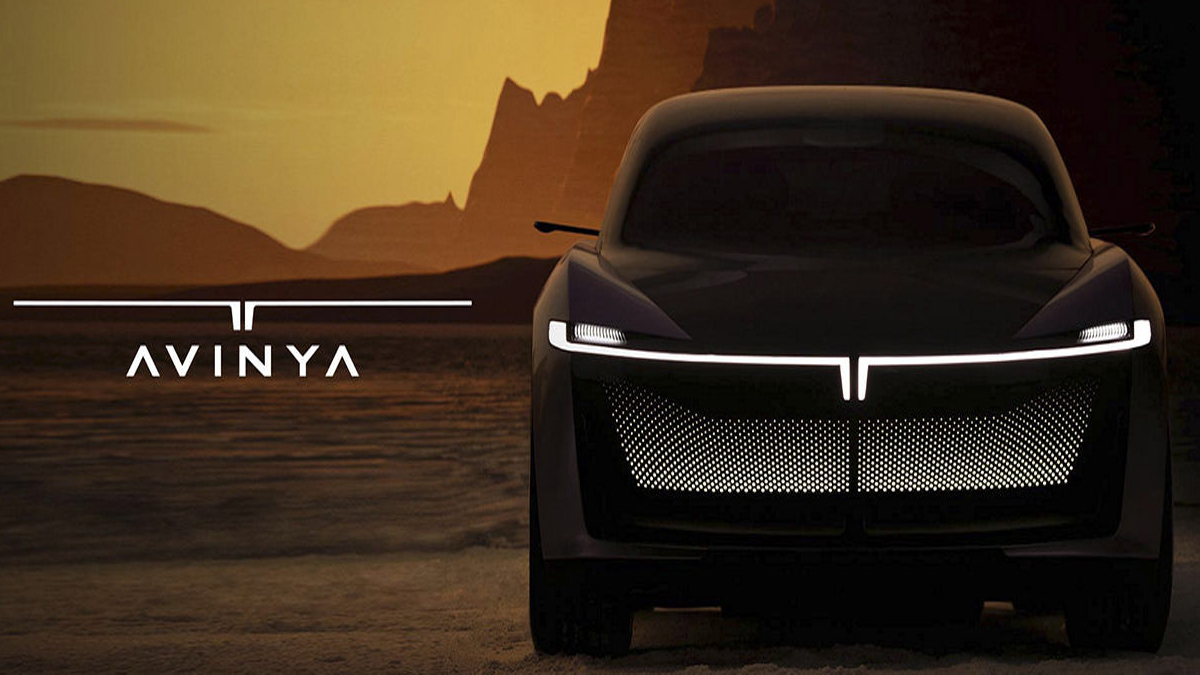
MUMBAI: Sometimes, taking the fast lane means changing vehicles altogether. In a significant reset of its premium electric vehicle ambitions, Tata Motors has revamped the strategy for its luxury EV brand Avinya, opting to build future models on a platform developed by Chery rather than waiting for technology originally planned from Jaguar Land Rover, according to a Reuters report.
The move is designed to accelerate product launches after years of delays and get Avinya’s long-awaited rollout back on track. The first model is now scheduled to arrive in India in 2027, with production set to take place at the new Tata Passenger Electric Mobility-JLR facility in Panapakkam, Tamil Nadu.
Under the revised plan, Tata Motors will use the Freelander architecture being developed by Chery Jaguar Land Rover, a partnership between Chery and JLR in China. The decision replaces the company’s earlier plan to underpin Avinya vehicles with JLR’s forthcoming Electrified Modular Architecture, or EMA.
The change marks a crucial moment for Avinya, which sits at the heart of Tata Motors’ ambitions to move beyond the mass-market EV segment and establish a global premium electric vehicle brand. The company sees Avinya as its gateway to competing with international luxury EV manufacturers both in India and overseas.
A Tata Motors spokesperson said, “Avinya is being developed as a global premium brand for a next-generation EV portfolio to be built on multiple, scalable platforms and architectures while being anchored in Tata Motors’ design, engineering and integration capabilities.”
The company said collaboration would remain central to the brand’s future growth. “Our collaboration with JLR and its partners will be an important pillar of our global premium EV journey as we expand the Avinya portfolio across segments and geographies,” Tata Motors spokesperson told Reuters.
Importantly, Chery’s role will be limited to supplying the platform. Tata Motors clarified that there is no technology transfer or licensing agreement attached to the arrangement.
According to Reuters, the first Avinya model based on the Freelander architecture will initially be shipped from China as a kit before being assembled in India, while efforts to localise components are already underway. A second model is expected by 2029, with room for additional vehicles later in the decade.
The strategy follows a setback to Tata’s original roadmap. Avinya models were initially targeted for launch in 2025 using JLR’s EMA platform. However, those plans unraveled after JLR shelved its proposal to manufacture EMA-based electric vehicles in India, forcing Tata Motors to revisit its premium EV blueprint.
For Tata Motors, the partnership offers a quicker route to advanced EV technology without the lengthy development cycles and heavy investment required to build a dedicated platform from scratch. Industry observers view it as a pragmatic move to protect the company’s leadership in India’s rapidly evolving EV market while longer-term in-house platform plans continue to take shape.
For now, Avinya’s journey may be taking a different road than originally planned, but Tata Motors is betting that a detour today could help it reach the premium EV destination faster tomorrow.






