Brands
India UK trade deal slashes import duty on British luxury cars
CETA cuts duty to 30 per cent; select models could become 20-25 per cent cheaper.


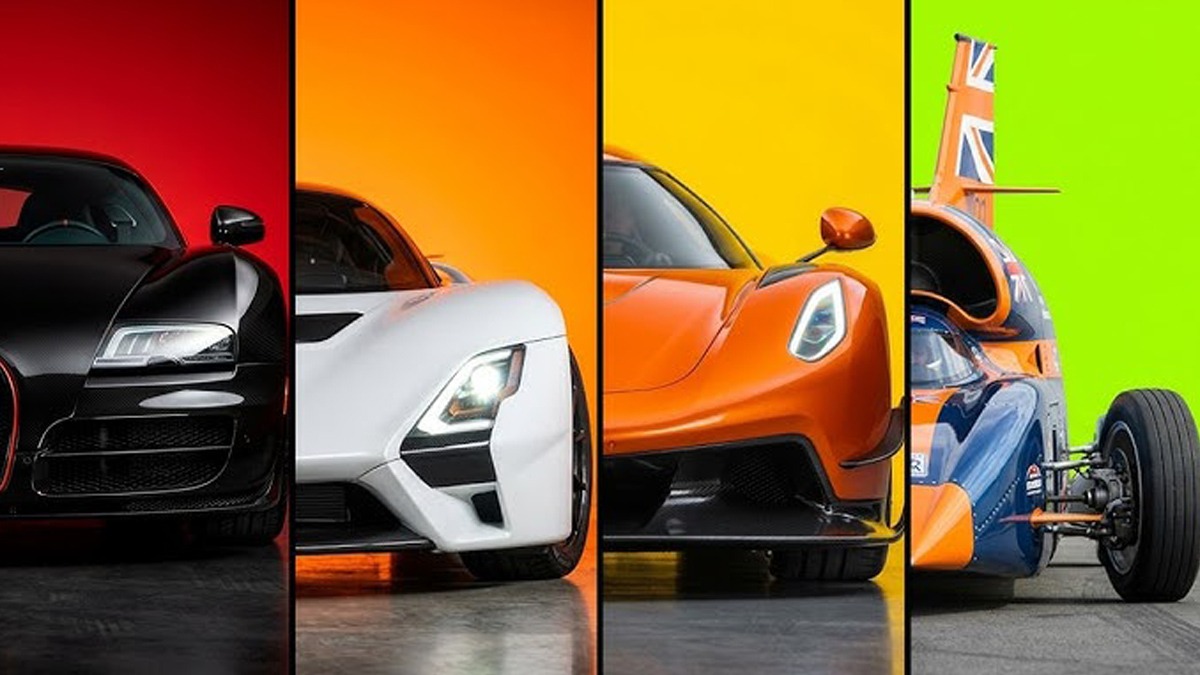
MUMBAI: Britain’s finest wheels may soon come with a lighter price tag as India’s trade pact shifts luxury cars into a lower gear on taxes. With the India-UK Comprehensive Economic and Trade Agreement (CETA) taking effect from July 15, buyers of select British luxury cars are set to benefit from significantly lower import duties and potentially substantial savings.
Under the agreement, the customs duty on eligible completely built-up (CBU) petrol and diesel vehicles imported from the UK will fall from 110 per cent to 30 per cent, marking one of the biggest tariff reductions for premium automobiles entering the Indian market.
Industry executives expect the duty cut to translate into retail price reductions of around 20-25 per cent on qualifying models, potentially lowering prices by Rs 1 crore to Rs 3 crore, depending on the vehicle.
The revised tariff is expected to benefit premium British marques such as Rolls-Royce Motor Cars, Aston Martin, McLaren Automotive and Jaguar Land Rover, making their imported flagship models more accessible to affluent Indian buyers.
However, the lower duty will apply only within a Tariff Rate Quota (TRQ) framework. According to a notification issued by the Directorate General of Foreign Trade (DGFT), the concessional tariff will initially cover up to 10,000 fully imported petrol and diesel passenger vehicles from the UK during the first year. Imports beyond that quota will continue to attract the existing standard customs duty.
The agreement also lays out a long-term roadmap. The annual import quota will expand gradually over the next 15 years, while the concessional customs duty will be progressively reduced further to 10 per cent over the same period.
Notably, British-made electric vehicles have been excluded from the immediate tariff relief. Under the CETA framework, EVs manufactured in the UK will become eligible for concessional import duties only from the fifth year, giving India’s domestic electric vehicle industry additional time to strengthen its competitive position.
The impact is already beginning to show. Jaguar Land Rover has revised prices for several imported flagship models, including the Range Rover Sport SV and Range Rover SV, with industry executives expecting CBU imports to account for a larger share of the company’s India sales as affordability improves.
The India-UK CETA is among India’s most significant trade agreements with a developed economy. Alongside reducing tariffs on British products entering India, including automobiles, it also grants duty-free access to nearly all Indian exports to the UK.
The broader economic relationship between the two countries has also been strengthening. Government data shows bilateral trade reached $25.12 billion in FY26, up from $23.13 billion a year earlier. During the same period, India’s imports from the UK increased to $11.68 billion, while British foreign direct investment in India stood at around $1 billion, underscoring the growing commercial ties between the two nations.