MAM
Same potato, new jacket: Will Lay’s new packaging give it an edge?

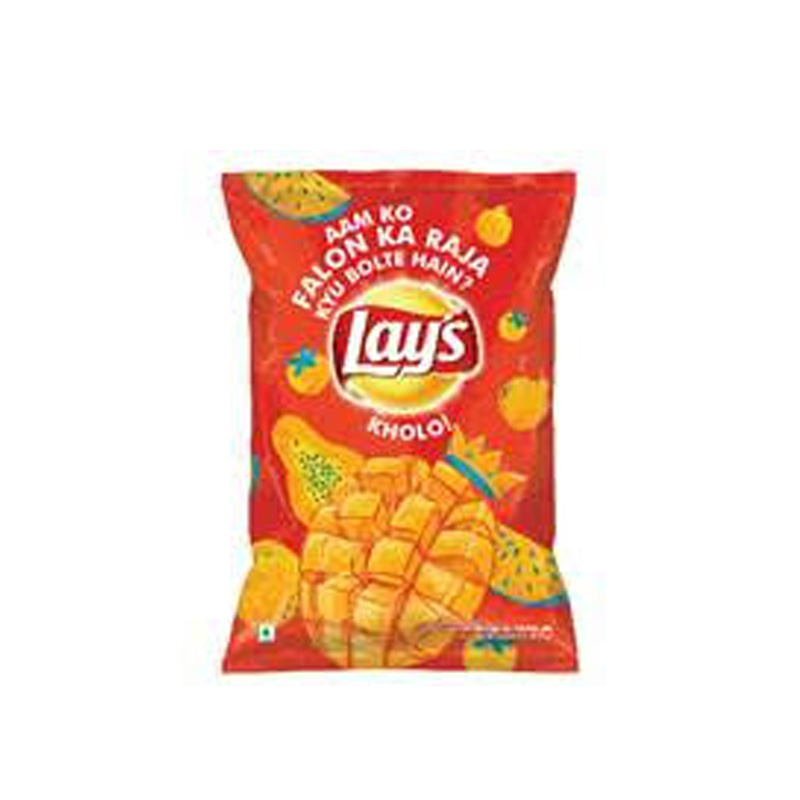
NEW DELHI: Lay’s, the potato chip brand has been at the helm of influencer marketing through its campaigns for some time now. Last year, it was the Smile Dekho campaign which garnered a massive response and this year, the brand has unveiled #LaysKhol campaign.
However, a common thread in these marketing strategies is how the company is innovatively leveraging the power of packaging design in its brand communication. PepsiCo’s product customised the Lay’s smile packs #SmileWithLays, where nearly 750 influencers were brought on board to carry the campaign through. The influencers were provided with customised Lay's packs with their own smiles printed on the packaging.
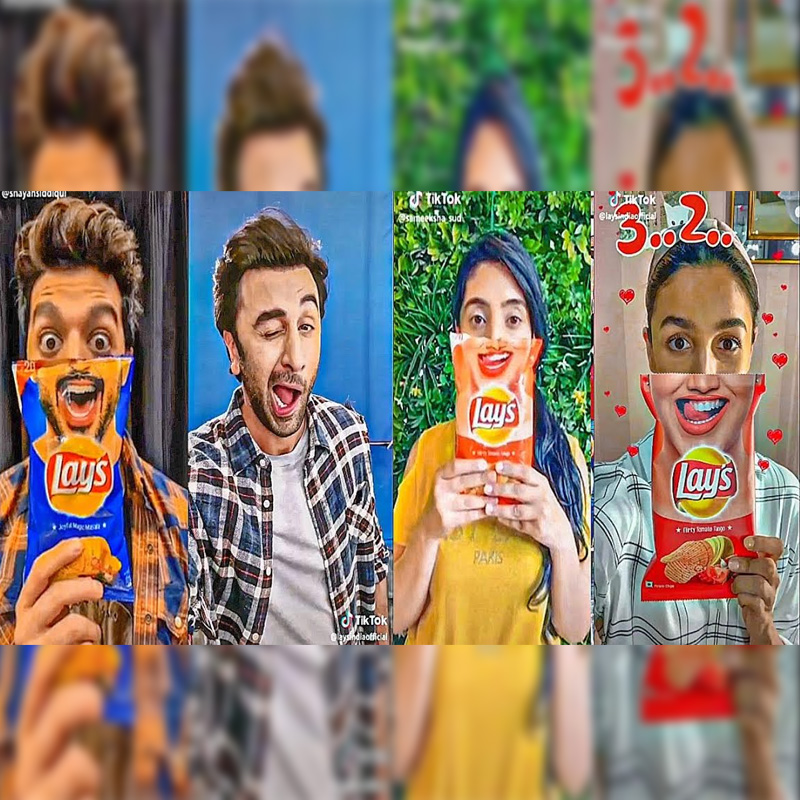
This was then boosted by a TVC that featured Bollywood stars Ranbir Kapoor and Alia Bhatt. Titled Train Pe Tussle, the ad film showcased brief bickering between the two characters in a train, which is eventually diffused by a smile.
The first phase of the #LaysKhol campaign featured popular cricketers including Virender Sehwag donning his special Baba Sehwag Avatar, Shikhar Dhawan, Yuzvendra Chahal, Brett Lee, Harbhajan Singh, and Rahul Tewatia. In the four-part video series, cricketers dabbled in some fun and cheeky banter that not only engaged cricket fans but also drove conversations.
Now, during the festive season this year, the brand has unveiled 18 limited-edition #LaysKhol packs, each of which poses an intriguing question with a quirky answer given inside the packet. It’s an interesting way to get those extra few seconds of face time with the buyer at the crucial time of purchase decision. These special packs have been shared with celebrities, influencers, and friends of Lay’s.
The activity has so far received an overwhelming response, garnering significant mileage for the brand with more than 1,600 organic posts and stories leading to over 3.58 million engagement on social media.
Lay’s decision to capitalise on the same trend back-to-back signifies that newness in packaging leads to good recall and consumers stay with the brand for a little longer. The packaging design reflects the brand identity and brings the brand to life – from the visual appearance and feel of the packaging to its function and sustainability.
Through the multi-channel campaign, the brand objective is to target brand fans, drive engagement, and deepen regional penetration.
However, after running many successful campaigns over the years, why is product packaging gaining prominence in Lay’s marketing plan now? And does this whole exercise give Lay’s an edge over its competitors?
Brand expert N Chandramouli states that the packaged snacks segment has been completely altered due to the lockdown. “Since Lay’s products are largely standard, other than a flavour change once in a while, they have few options to engage the consumer, and one of them is the packaging design or social media campaigns aimed at engaging the youth. India has a wide variety in packaged snacks for consumers, unlike the Western markets, and Lays has been facing tough competition over the years, with the pandemic only beating them further down.”
Influencer marketing has become a core part in any brand’s strategy, and the lockdown has dialled this up further. Businesses have cut spends on ATL mediums, and more and more, they’re reaching out to the big movers and shakers on social media, which has led to influencers getting a bigger slice of the ad-ex pie. Established brands are slowly moving towards digital campaigns, which are specifically designed keeping the influencer community in mind.
Agreeing that traditional advertising on TV and print has come down substantially for all brands, and they are moving digital because the spends can be controlled, Chandramouli adds: “In digital campaigns, the best engagement is perhaps with influencers who have an engaged audience and create content specifically to suit their audiences. This makes influencers a very important channel for brands, especially considering the after-effects of Covid2019.”
As a consumer, one is more likely to pay attention to content that comes from a trusted source. Network Advertising chief strategy officer Sunit Khot is of the view that influencers are usually a sure-fire way for brands to gain traction in digital marketing. They help in getting more interested and engaged audiences. “Having said all that, I personally feel that influencer marketing cannot be the be-all and end-all of digital marketing. It has its virtues but by no means can it replace other marketing activities that work towards building brand affinity and loyalty.”
Makani Creatives co-founder and MD Sameer Makani believes it is imperative for brands to keep the audience aware and recall at large. “Knowing the fact that we all are under the clout of pandemic and people spend more time digitally, brands have taken social media as a revolutionary tool to promote and connect. Influencer marketing plays a huge role in keeping the audience intact and reaching the masses. In fact, playing with a product package can be a good move only if it resonates well with the audience,” he said.
Lay’s has always touted itself as a cool, youth-centric brand: a fun, ubiquitous snack that can be consumed at any place, any time. But in a competitive market like India where it faces challenge from the strongholds of namkeen and traditional snacks, Lay’s is repositioning itself through meaningful digital campaigns and revamped packaging that thrust its hip quotient – as something consumers can not only eat, but also enjoy. It will be interesting to see if the brand can keep this momentum going in the long run, or drop it like a hot potato.