MAM
Kantar Annual Trends 2022 report unveils 10 themes for recovery & innovation

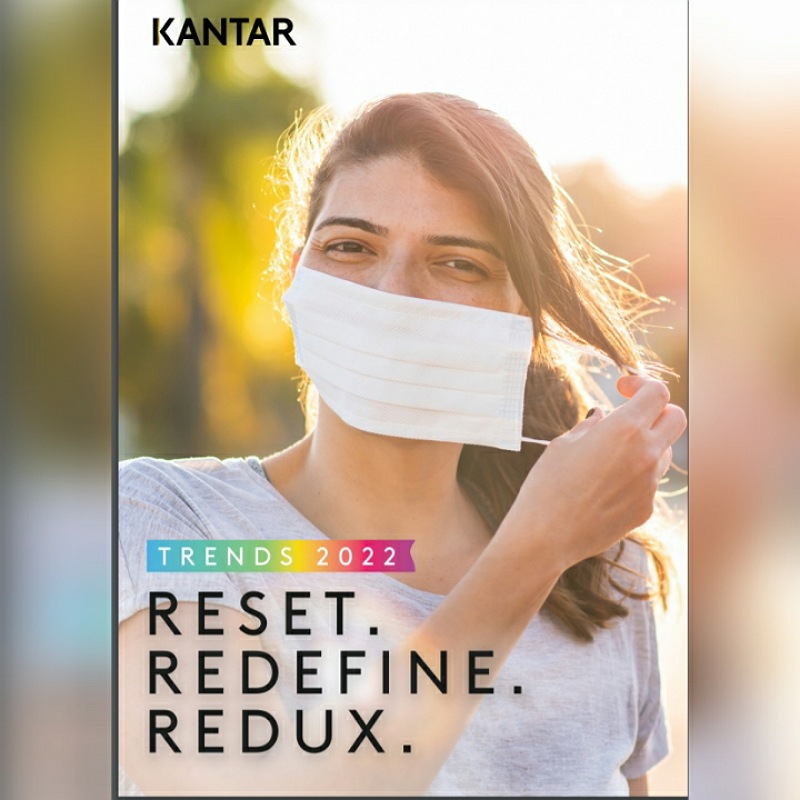
Mumbai: 2021 has been a year of discovery for consumers. As we learn to adjust in a world that changes often and unpredictably, brands would need to listen more intently to consumers than ever before, be transparent in their promises and provide solutions for their evolving needs. Keeping this in mind Kantar has unveiled its ‘Annual Trends 2022’ report, that’s borne out of the insights generated, based on their conversations with consumers across the country.
The report spells out ten themes that define how consumers are preparing themselves for 2022, even as it aims to guide businesses through a period of recovery and innovation:
1. Going small to live big
The lockdown and the opportunity of working from home have allowed people to consider an alternative to the city humdrum. As companies chose remote working as ‘business as usual,’ the service sector employees chose to move ‘back home’ to smaller towns. The current trend offers a unique opportunity to reimagine our cities, our infrastructure and mobility, notes the report. Brands, on the other hand, need to reinforce supply chains to avoid losing customers due to last-mile connectivity gaps, Kantar says.
2. Seeking assurance in ‘ghar jaisa’ khana
The pandemic has made consumers painfully sensitive about the importance of health and immunity. They are more mindful of what they eat and are willing to make an effort to table fresher meals, with nearly 72 per cent preferring fresh home-cooked food than the packaged with the fear of preservatives, as per the report. With increasing importance to freshly cooked meals, consumers would be open to kitchen solutions in terms of ingredients or appliances that make ‘home-made’ easier. Additionally, the affinity towards ‘home-like food’ will also guide what the food industry will offer in terms of offerings on restaurant menus.
3. Proactive upskilling
Proactive self-learning through online courses has become the new norm for working professionals trying to stay employable as well as students gearing up to join the workforce. 65 per cent of learners were upskilled to strengthen career prospects and 33 per cent of learners were senior-level professionals. As both freshers and experienced employees become more conscious of the skill gap and lean in to bridge it, enrolments into online courses continue to exponentially grow, noted Kantar.
Proactive and consistent training and development led by employers will be increasingly critical, not only to keep the workforce equipped for the changing workplace but also to ensure that employees are engaged and invested in the evolving business imperatives of the organisation.
4. Exercising autonomy through gig work
The Indian freelance job market gained rapid acceleration with the pandemic-induced job instability.
The nature of freelance work has also evolved and gig working is not limited to factory or support function jobs. With 15 million freelancers, India is already the second-largest gig market in the world, says the report. In the long term, the Indian gig economy has the potential to serve up to *90 million jobs in India’s non-farm economy. India Inc. should make the most of this opportunity to absorb a diverse workforce and let them contribute professionally while taking care of their personal comfort.
5. Shrinking personal space with remote work
Though remote work was expected to improve employee productivity, there is mounting evidence of increased burnout, noted the report. 1 in 3 professionals in India feels burnt out due to increased workload and unmanageable stress. While the focus has been on making work from home more convenient through virtual workplaces, organisations will also need to start rethinking their entire work models, culture, and values to ensure better mental health amongst the workforce. Employees are also learning to draw a line between personal and professional while operating from the same physical space, notes Kantar.
6. Yearning to get away from home
Lockdown fatigue had resulted in strong pent-up demand which is fuelling unique trends of ‘getting away from home.’ Travellers have started to rekindle their travel plans through weekend getaways and similar convenient means to escape from the challenging life of work-from-home stifling schedules. As consumers continue to seek respite from house arrest yet again, by planning for getaways, dropping into restaurants for a meal, or even choosing to work from coffee shops, the reassurance of sanitation and hygiene-related measures such as fully vaccinated staff would ensure that they keep coming back, says Kantar.
7. Instagram is the new store
As the pandemic further accelerated the growth of e-commerce, social commerce has emerged as a favoured means of online shopping. Consequently, social chatter is fast becoming an active driver of brand choice; while advertising manages to influence 38 per cent towards a brand, 41 per cent tend to be swayed by comments or reviews posted on social media. Riding on social word-of-mouth, today social commerce shoppers account for 53 per cent of total online shoppers in India.
Stepping ahead of dynamic customer engagement, social commerce has proved to be an effective and affordable channel for smaller businesses, the report says. This channel has also presented a cost-effective alternative for larger businesses and brands reeling under the pressure of mounting customer acquisition costs and struggling to protect these precious customers from competitors wooing them endlessly with deep discounts.
8. Beauty goes beyond skin deep
With virtual workplaces and limited social engagement, there is no mad rush to show up looking one’s best and people are moving towards a more sustainable self-care practice grounded in nature, health and wellness. Consumers have become extremely conscious about taking care of their bodies, and not just for the purpose of looking good. What started as an obsession for sanitisers and hand-washes, has now gradually moved towards conscious choices of personal care, personal hygiene and wellness products.
Brands need to be cognizant of shift in consumer choices towards personal care and grooming and cater to this growing affinity towards sustained self-care through their product solutions as well as communication of benefits, says the report.’
9. True inclusion finding a voice among the youth
Consumers are being drawn towards brands that embrace diversity and advocate causes that support social equity, according to the report. There has been a shift in advertising campaigns featuring stories of real people told with a sensitivity that has found favour with consumers. However, the report says that brands looking to engage this generation will need to extend their efforts beyond mere lip service. Just dressing brand communication with diverse imagery will not be enough. To stay relevant, brands need to embed diversity in their organisational culture as well as in their product development endeavours.
10. Collective consciousness towards sustainability
The pandemic has been a wake-up call; consumers are now acutely aware of the cumulative damage caused to the environment by human carelessness and are eager to ‘make good.’ 76 per cent pay a lot of attention to the environmental and societal issues in the news, says Kantar. 77 per cent are prepared to invest time and money to support companies that do good and while shopping 64 per cent consumers factor in sustainability at least once in a while.
Brands can fuel these actions by increasing awareness about the use of green energy in their production process, making it easier to recycle, incentivizing consumers and making it convenient for them to buy sustainable products, notes Kantar.