MAM
Influence, not just views: Vibhor Gulati on the new rules of brand marketing
As AI reshapes discovery, brands are being pushed to value credibility over follower counts


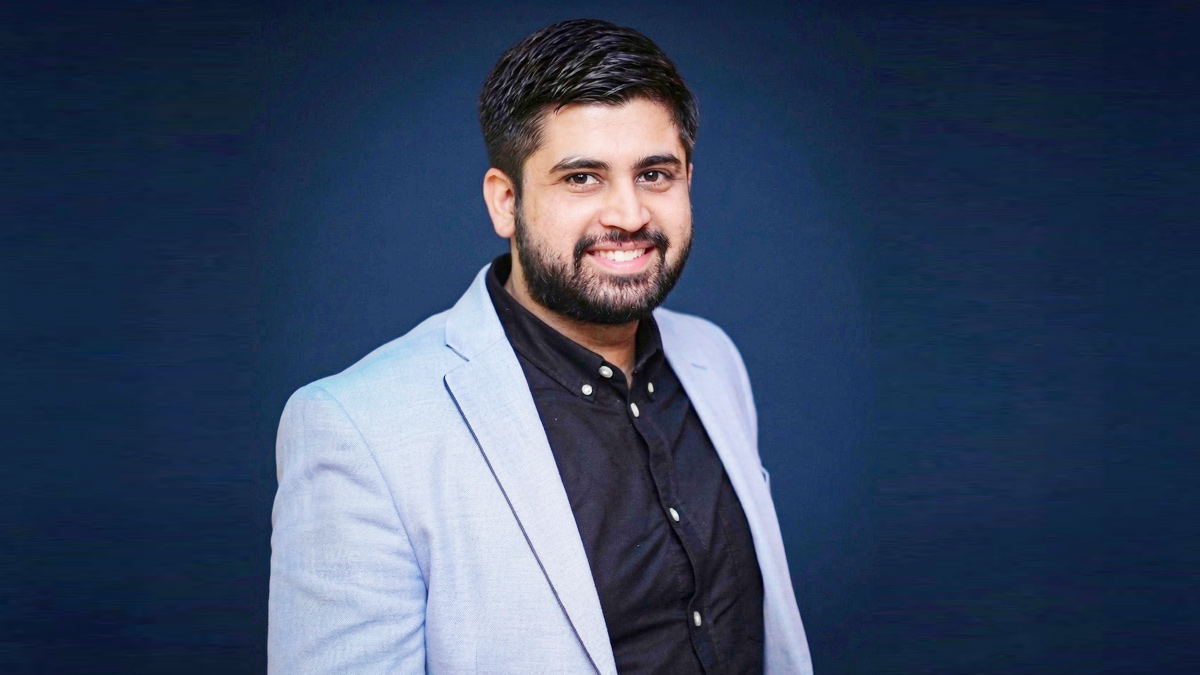
MUMBAI: Forget the follower count. The influencer marketing game has grown up, and it is no longer impressed by a fat number of views.
That is the word from Vibhor Gulati, Founder of Defodio Digital, who reckons the industry has quietly swapped its old obsession, attention, for a far trickier customer: influence. “Views tell you how many people saw something,” he says. “They don’t tell you whether the content changed perception, created consideration, or drove action.”
In other words, eyeballs are cheap. Believability is not.
From reach to relevance
Gulati’s first bit of myth-busting is aimed squarely at brands still picking creators the way one picks fruit at a market, by size alone. A campaign that actually works, he argues, starts with a clear business goal and then finds creators who fit that goal, not merely ones with the biggest crowd.
Credibility, it turns out, is the real currency. When a creator genuinely knows their patch and the brand slots into their content naturally rather than being bolted on, audiences believe it. Gulati wants marketers to follow the whole funnel, engagement, saves, clicks, enquiries, sales and repeat behaviour, rather than stopping at reach and calling it a day.
When AI starts asking the questions
Here is where things get properly interesting. People are increasingly skipping the search bar altogether and simply asking AI tools things like “what’s the best product for me?” That, says Gulati, is quietly rewriting the rules of brand discovery.
Suddenly, the wider internet chatter around a brand, creator reviews, YouTube videos, forums, community threads, becomes the raw material that AI systems chew through to form an opinion. Google itself has leaned into this idea of AI search surfacing perspectives from across the web.
The upshot? Influencer marketing is no longer just a distribution channel. It is quietly shaping how a brand gets represented when a machine, rather than a human, does the recommending. Gulati’s advice is refreshingly old-fashioned: build genuinely useful, independently credible conversations rather than trying to game the algorithm with manufactured mentions.
Creativity and commerce: Not sworn enemies
Ask any marketer and they will tell you creativity and cold hard metrics often feel like they are on opposite football teams. Gulati is not having it. “The best creative work should make the business objective easier to achieve,” he insists.
The trap, he warns, is falling into one of two ditches: content so sales-heavy it stops feeling like content at all, or content so entertaining that people remember the joke but forget who told it. The fix is deceptively simple, nail the business objective first, then hand the creator enough rope to solve it in their own voice. Want footfall? Give people a reason to turn up. Want leads? Build a clear path to enquire. Want sales? Make the journey from scroll to shopping cart measurable.
Creativity’s job, as Gulati puts it, is to make people care. Measurement’s job is to check whether that caring actually paid the bills.
Data for direction, instinct for surprise
So where does gut feeling still have a seat at the table? Data, Gulati explains, is brilliant at telling you what has already happened, which formats are humming along, which creators are pulling their weight, where a campaign is losing steam. What it cannot do is spot tomorrow’s big idea, because by definition nobody has data on something that has not happened yet.
That is instinct’s job. Lean entirely on historical performance, Gulati warns, and brands end up perpetually polishing yesterday’s formats. The sharpest teams, he says, use data to understand their audience and instinct to genuinely surprise them.
The AI shake-up coming for influencer marketing
Which corners of the industry are due for the biggest shake-up? According to Gulati, it is the bits currently drowning in spreadsheets and manual slog. Creator discovery is set for a glow-up, brands will soon judge fit not by follower count but by audience quality, content relevance, track record and likely campaign outcomes, all crunched at scale.
Campaign management gets the same treatment, moving from manual shortlisting and outreach towards sharper reporting on which creators and formats are actually earning their keep. AI will also make repurposing creator content across platforms considerably less painful.
But Gulati is quick to draw a line under the hype. The real prize is not using AI to churn out more content. It is using AI to make smarter calls about where, with whom and why a brand should bother creating that content in the first place.
The bit AI cannot touch
For all the algorithmic glow-up, Gulati is adamant that some things stay stubbornly human. A creator’s real worth is not their ability to point a camera at themselves, it is the relationship and credibility they have built over time, and that is not something any algorithm can replicate.
The same goes for creative judgement. AI might flag that a certain format is performing well, but it has no real feel for the cultural nuance behind why something clicks with a particular community, or why one creator can pull off a joke that would flop coming from anyone else. Influencer marketing, at its core, remains people influencing people. AI, Gulati says, can sharpen the machinery around that relationship, but it cannot replace the relationship itself.
The blind spot Indian brands cannot afford
If there is one shift Gulati thinks Indian brands are sleepwalking past, it is the move from brand-controlled messaging to distributed brand discovery. Consumers are increasingly forming opinions through creators, communities, reviews and peer chatter, with a brand’s own Instagram feed now just one voice in a much noisier room.
That shift only gets louder as AI search starts answering questions by scouring the entire web rather than one curated feed. Brands, Gulati argues, need to stop asking “what are we publishing?” and start asking “what is the internet actually saying about us?” Those investing in genuine advocacy, solid products and credible creator relationships, he reckons, will have a real edge over those still fixated on controlling their own script.
From campaign line item to business channel
Zooming out, Gulati sees India’s influencer marketing scene shifting from a one-off campaign activity to a proper, measurable business channel. The numbers back him up, the industry is projected to grow from an estimated ₹3,000 to 3,500 crore in 2025 to somewhere between ₹4,500 and 5,000 crore by 2027, as brands demand more accountability and creators increasingly run their content like a business.
The next phase, in Gulati’s view, will be about smarter creator selection, longer-term partnerships, sharper measurement and cleaner attribution, with brands finally moving away from judging creators purely on reach.
His parting advice for brands is simple enough to fit on a sticky note: build long-term creator ecosystems, not disposable influencer lists. Combine credibility, data and genuine creative thinking, and measure success not by how many people watched, but by what actually happened because they did.