Brands
Indonesian coffee unicorn hopes to brew up a storm in India

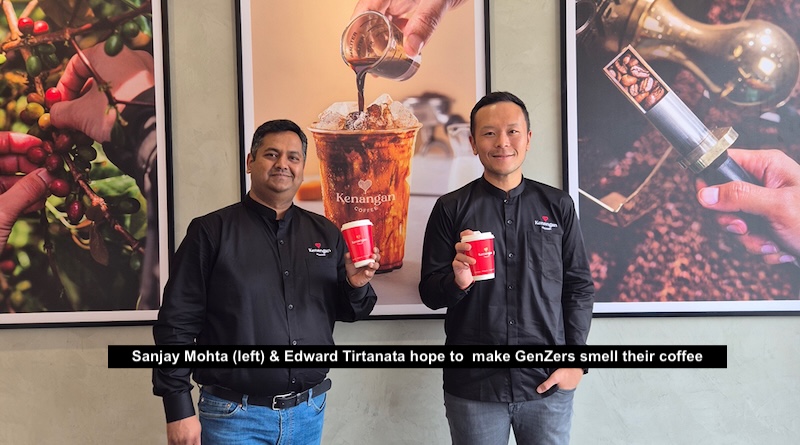
MUMBAI: The aroma of Indonesian coffee has wafted into India’s bustling café scene as Southeast Asia’s fastest-growing coffee chain, Kopi Kenangan, has planted its flag at Pacific Mall in Delhi’s Tagore Garden. Valued at over $1 billion—making it the region’s first food and beverage unicorn—the brand is brewing ambitious plans for the world’s most populous nation.
“India’s vast young population and growing appreciation for diverse coffee experiences make it an ideal market for Kenangan Coffee. We are committed to delivering high-quality coffee that resonates with local preferences, creating memorable moments for every customer,” says Kenangan Brands co-founder & CEO Edward Tirtanata, backed by heavyweight investors including Peak XV Partners and Meta co-founder Eduardo Saverin’s B Capital.
The coffee upstart is positioning itself as a challenger to pricier global giants like Starbucks and Tim Hortons. With espresso shots starting at a modest Rs 99 and larger servings below Rs 150—roughly Rs 80-100 cheaper than premium competitors—Kopi Kenangan is clearly betting its beans on price-conscious customers.
The company’s secret ingredient? Gula Aren, an Indonesian palm sugar with a lower glycemic index than refined alternatives, aimed at health-conscious Indians who still fancy a sweet fix. This nutritious twist might just be the sugar rush needed to stand out in India’s increasingly frothy café marketplace.
With plans to open 10+ stores by end-2025 and intentions to pour up to Rs 40 crore into sourcing and expansion over the next two years, the brand isn’t just dipping its toe in the market—it’s diving in headfirst.
“Our mission is to blend Indonesian craftsmanship with local flavours,” says vice president and general manager for India Sanjay Mohta, as the company prepares to tap local coffee producers to complement its Indonesian offerings.
India’s café culture is still percolating compared to mature markets, but with consumption estimated at over one million 60-kilogram bags between 2023-2024, there’s plenty of room to grow. While established chains like Café Coffee Day have seen their market share drip away due to financial troubles, newcomers including Third Wave Coffee and Blue Tokai have been gaining steam.
For now, the Indonesian outfit is targeting students and young professionals in their first jobs—Gen Zers and millennials looking for an affordable caffeine kick. After Delhi, the brand plans to expand to Mumbai and Bengaluru, hoping its wallet-friendly prices and locally-sourced ingredients will help it brew up a loyal following.
In a market where even fast-food giants like McDonald’s are trying to espresso themselves, Kopi Kenangan will need more than just cheap prices to avoid becoming another has-bean. But if it can capture India’s increasingly caffeinated hearts, this Indonesian import might just become everyone’s cup of tea—or rather, coffee.