
MAM
FMCGs fight inflation through promos, pack sizes & price discounts: Nielsen


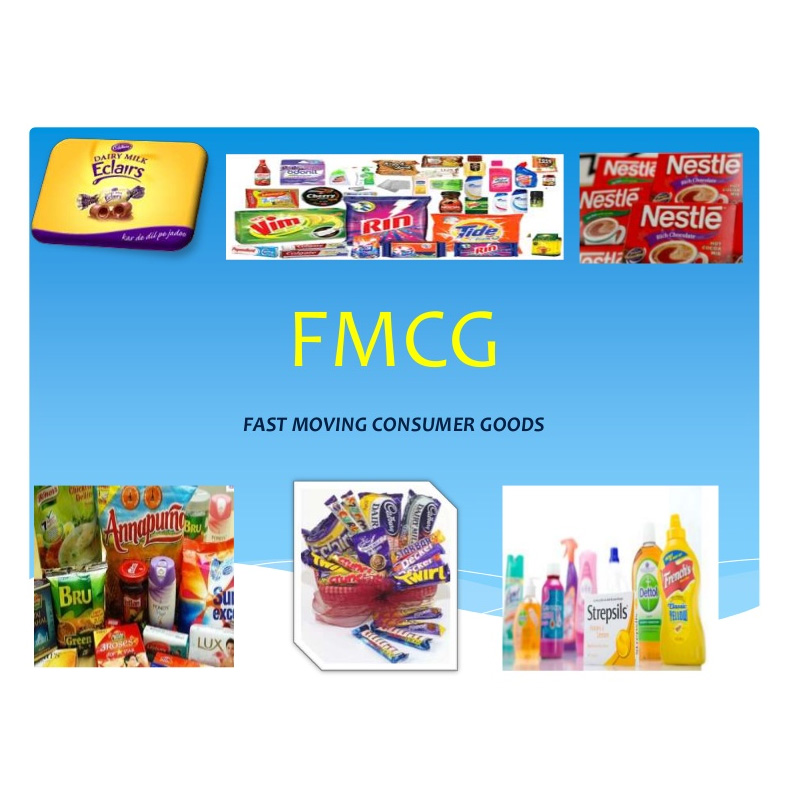
MUMBAI: Marketers’ strategy to deal with inflation through promos, pack sizes and price discounts has kept the consumer’s spending on fast moving consumer goods stimulated, according to Nielsen.
The organised FMCG market’s resultant value growth of 13 per cent is attributed to this and has outpaced the underlying volume growth of 8.2 per cent. This indicates a steady and stable demand for branded, packaged fast moving goods.
Impact on branded, packaged foods – Essentials vs Impulse
According to Nielsen, rising commodity prices have impacted food categories much more than non-food categories. This is evident from the fact that food categories have grown faster in value terms while volume growth has been relatively slower. In non-food categories however, both value and volume growth has moved in lockstep at around eight per cent over the last year.
The report also said that within Foods, two types of categories were more affected by price increases than others. Non-essential categories like jam/jellies and squash/cordials saw high value but low volume growth and a slowdown in consumption during 2010 due to steady price
increases. They were accompanied by milk based categories like butter/margarine and milk powder which saw manufacturers step up prices to protect margins against rising input costs.
These early signs indicate that if inflationary pressures don’t ease, discretionary spending on these categories is likely to shrink further.
Surprisingly, even essential milk-based categories like baby cereals and infant formula saw volumes stagnate as prices gained momentum. an increased reliance on solid foods and an earlier shift to liquid milk from specially formulated milk/cereals are typical substitutes to combat inflationary pressures.
Other essential categories were not entirely immune to inflation either, says the global information and measurement company. Categories like packaged atta (wheat flour) and packaged rice etc. also experienced sluggish volume growth as consumers temporarily resorted to unbranded alternatives.
Impulse takes on inflation
Small treats continued to be important to the Indian consumer at a time when inflation cut into bigger items of discretionary expenditure like eating out, out of home entertainment etc. Impulse categories like biscuits, namkeens (salty snacks), and chocolates continued to attract consumer purchases.
Manufacturer initiatives for these categories drove growth via small packs (small per transaction cost), product innovations (baked alternatives, new consumption occasions, and attractive promotions) and increased availability. This bodes well at a time when economic optimism and inflationary pressures appear to be colliding.
Non–food categories hold their ground: innovation holds the key to combating inflation
Also, amongst the top non-food categories like washing powder, shampoo, and toilet soap there seems to be no evidence of inflation’s adverse affect as robust topline growth continued unabated, according to Nielsen.
The company says that these items have long become a part of the ‘must-buys’ in the consumer basket and remained unaffected overall with possible selective purchase of more cost-effective branded alternatives as well as greater responsiveness to promo offers. The lead players in these categories have also stepped up price activation by using value promotions and re-launching at new price points.
Marketing and consumer information, television and other media measurement company also said that lifestyle/personal grooming categories like hair conditioners, hair dyes, hair remover, liquid soap etc. don’t seem to have been as affected by inflation. Like impulse foods, these too serve as a cost-effective indulgence. Baby Diapers and Sanitary Napkins too stayed unaffected with help from the increased availability of small pack sizes and cheaper brand variants for consumers unwilling to compromise their health and well-being.
Aesthetic expenditure like nail enamel, lipsticks etc. slowed down, indicating a temporary adjustment in the purchase basket to accommodate items that have witnessed stronger price growth.
2011 is set to see a surge in the number of new launches and the brands that innovate in terms of price, pack size and promotional efficacy will garner a greater share of the growth opportunity that India’s consumer markets present, said Nielsen.





