Brands
FMCG firms boost ad spend as demand returns


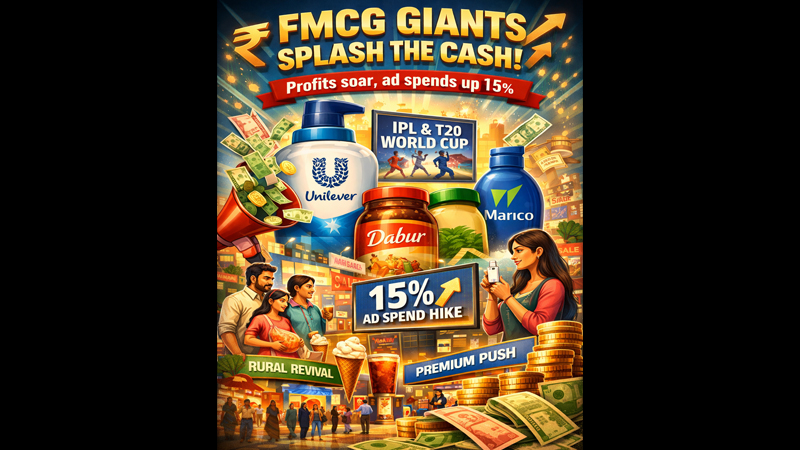
MUMBAI: Major household names such as Hindustan Unilever, Dabur, Godrej Consumer Products, and Marico are preparing to loosen their purse strings, with advertising budgets set to surge by between ten and fifteen per cent through the June quarter. This aggressive marketing push comes as a relief to the industry, fuelled by a perfect storm of widening profit margins and a long-awaited recovery in consumer demand.
After several quarters of tightening belts due to volatile commodity prices, the giants of the supermarket shelves are finally seeing some breathing room. Lower input costs for raw materials like palm oil and packaging have allowed firms to pad their gross margins significantly. Rather than simply banking these profits, companies are ploughing the cash back into brand building to drive volume growth and fend off smaller rivals.
The timing is no coincidence. As the summer heat begins to bite, categories ranging from soft drinks and ice creams to soaps and cooling powders are entering their peak selling season. Companies are desperate to ensure their brands stay front of mind. This seasonal rush is being amplified by a packed sporting calendar, including the Indian Premier League and the upcoming T20 World Cup, which offer a massive platform for expensive television and digital campaigns.
Perhaps most encouraging for the industry is the shift in rural markets. After a prolonged slump where high inflation forced families to downsize their shopping baskets, demand in the countryside is showing genuine signs of life. Executives from leading firms like Dabur and Marico note that the rural consumer is returning to the fold, prompting a wave of hyper-local marketing designed to win back market share from smaller, regional competitors who had previously undercut the national brands on price.
The strategy is not just about volume, however. There is a distinct move towards premiumisation. Large manufacturers like Hindustan Unilever and Godrej are using their increased budgets to convince urban shoppers to trade up to more expensive, specialised versions of everyday essentials. Whether it is luxury skincare, liquid detergents, or health-focused food products, the message is being delivered through a heavy digital presence aimed at the affluent middle class.
Market analysts suggest this spending spree marks a transition for the sector. For the past two years, growth was largely driven by price hikes to offset costs. Now, with inflation cooling, the focus has shifted back to selling more units. If the upcoming monsoon proves favourable and the festive season delivers as expected, this double-digit increase in advertising could be the opening salvo in a sustained period of growth for the consumer goods industry.