AD Agencies
Clicks and trips go hand in hand as travel ads chart new routes

MUMBAI: When it comes to travel, Indians aren’t just packing bags, they’re packing pixels. In a year when revenge tourism fuelled wanderlust and digital-first habits reshaped holiday planning, Excellent Publicity’s latest report captures a sector that’s going places literally and virtually. Based on over 30,000 campaigns and TAM Media insights, the 2024 Travel & Tourism Advertising Landscape offers a fascinating peek into how brands sold dreams of getaways to a nation ready to escape.
Total ad spends in the sector rose by 28 per cent in 2024, with digital commanding a staggering 78 per cent of that pie. Video platforms like YouTube and Instagram accounted for over 62 per cent of these digital spends, thanks to their scroll-stopping visuals and seamless influencer integration. The age of the static banner, it seems, is on a one-way trip to oblivion.
It’s not just metros that are dreaming big 35 per cent of digital ad impressions came from Tier II and III cities, marking a shift in aspiration and affordability. Goibibo, Redbus, and Yatra rode this wave with vernacular campaigns, cashback offers, and destination-led storytelling.
Short-form videos emerged as the MVP of campaign visibility, with influencer-led Reels and Youtube Shorts growing 45 per cent year-on-year. Micro and mid-tier creators proved to be the hidden gems of the media mix, converting eyeballs into bookings with hacks, hauls, and heartfelt narratives.
Despite digital’s dominance, traditional formats still held ground. Television retained a 12 per cent share, proving useful in prime-time slots and regional infotainment, especially for family-oriented travel brands. Print (3 per cent) was used for tactical bursts like seasonal guides, while OOH (6 per cent) stayed visible near airports and high-footfall spots. Radio, though a modest 1 per cent of the mix, was used smartly around long weekends and festive peaks.
Ad activity spiked during April-June (summer holidays) and again from October to December (festive breaks and destination weddings). Destinations like Ladakh, Rishikesh, Udaipur, and Bali drew big bucks from brands focused on adventure, wellness, and cultural experiences.
Top spenders included Makemytrip, Easemytrip, Club Mahindra, Agoda, Thomas Cook, and Air India together accounting for over 33 per cent of the total digital travel ad budget. Campaigns ranged from AR-powered itinerary planning to influencer-hosted travelogues and loyalty program launches.
Emotional hooks also proved effective, with storytelling leaning into themes of nostalgia (“first trip post-COVID”) and purpose (“make memories, not plans”). There was a noticeable pivot to experiential travel, with brands showcasing offbeat stays, cultural immersions, and eco-conscious itineraries.
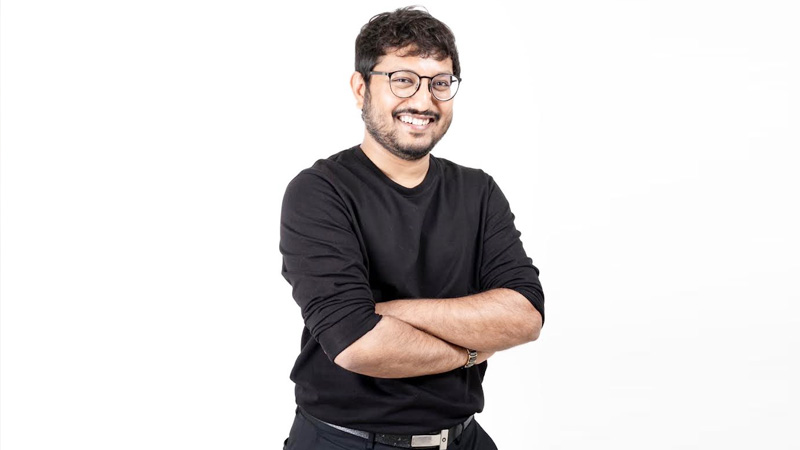
“The media mix is evolving, but the message remains timeless: travel is emotional,” said Excellent Publicity co-founder & director, Vaishal Dalal. “The brands winning today are those combining data-led precision with creative ambition making the journey to booking feel as exciting as the journey itself.”
As Gen Z and millennials continue to shape spending habits, travel brands will need to mix immersive formats, voice AI, sustainability and hyper-personalisation to stay relevant and stay booked. Because in 2024, even holidays needed good content.