MAM
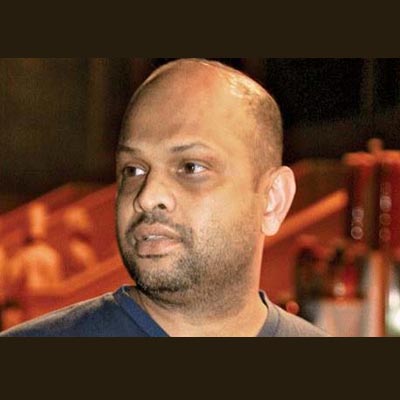
Agnello Dias among Fast Company’s 100 most creative people in business 2013
MUMBAI: US-based Fast Company Magazine has named Taproot India co-founder and chief creative officer Agnello Dias as one of the 100 Most Creative People in Business for 2013.
Ranked 59th in the coveted list that covers famous personalities from across the globe, Dias has been described as ‘India’s most decorated (and progressive) adman,’ by the magazine.
This year’s list of 100 Most Creative People spans entertainment to medicine, fashion to technology, academia to social enterprise; companies from Foursquare to Samsung to Starbuck; locations from the Mideast to the sub-Sahara.
This year has been an outstanding year in terms of creative achievements for Taproot India. While the creative boutique walked away with over 18 metals at the Goafest this year, it was named creative agency of the year at the Adfest 2013, Thailand. Further, the Gunn Report 2012 ranked the agency as the number one creative agency in India.
Dias said, “I am quite thrilled on hearing this actually, because while buried in work one normally tends to use only the advertising and marketing fields as reference points. To have been noticed, let alone recognised, across all forms of creativity and business and that too globally, is humbling to say the least.”
“This is a fantastic recognition. Aggi is the only Indian advertising professional on this list. The entire Dentsu Network is truly proud of him,” Dentsu India Group executive chairman Rohit Ohri said, on Agnello’s inclusion in the coveted list of business leaders.
Fast Company magazine’s 100 Most Creative People in Business list come from diverse industries around the globe. Akin to the four prior years, the 2013 edition features only people who haven’t been on any previous lists or profiled in the magazine before.
Nate Silver, whose FiveThirtyEight.com blog on the New York Times website successfully predicted the results of the US Presidential elections have been ranked numero uno on the list.
Fast Company is a progressive business media brand, with an editorial focus on innovation in technology, ethical economics, leadership, and design.

Digital
India leads global adoption of ChatGPT Images 2.0 in first week
From anime avatars to fantasy covers, users turn AI visuals into culture
NEW DELHI: India has emerged as the largest user base for ChatGPT Images 2.0, just a week after its launch by OpenAI, underlining the country’s growing influence on global internet trends.
While the tool was introduced as an advanced image-generation upgrade within ChatGPT, Indian users are quickly reshaping its purpose. Instead of sticking to productivity-led use cases, many are embracing it as a creative playground for self-expression, storytelling and online identity.
From anime-style portraits and cinematic headshots to tarot-inspired visuals and fictional newspaper front pages, the model is being used to create highly stylised, shareable content. Features such as accurate text rendering, multilingual prompts and the ability to generate detailed visuals with minimal input have helped drive rapid adoption.
What sets the latest model apart is its ability to “think” through prompts, generating multiple outputs and adapting to context, including real-time web inputs. But the bigger story lies in how users are engaging with it.
In India, trends are already taking shape. Popular formats include dramatic studio-style lighting edits, LinkedIn-ready headshots, manga-inspired avatars, soft pastel “spring” aesthetics, AI-led fashion moodboards, paparazzi-style visuals and fantasy newspaper covers. Users are also restoring old photographs, creating tarot-style imagery and experimenting with futuristic design concepts.
Local flavour is adding another layer. Prompts such as cinematic portrait collages and Y2K-inspired romantic edits are gaining traction, blending global aesthetics with distinctly Indian internet culture.
The surge reflects a broader shift in how AI tools are being used in the country, moving beyond utility to creativity. As younger users, creators and social media enthusiasts experiment with new visual formats, AI-generated imagery is increasingly becoming part of everyday digital expression.
If early trends hold, ChatGPT Images 2.0 may not just be a tech upgrade but a cultural moment, giving millions a new visual language to play with online.