
Brands
Google I/O 2026 preview shifts Android into AI-first ‘intelligence system’
Google unveils Googlebook, Gemini automation and Android 17 creator tools


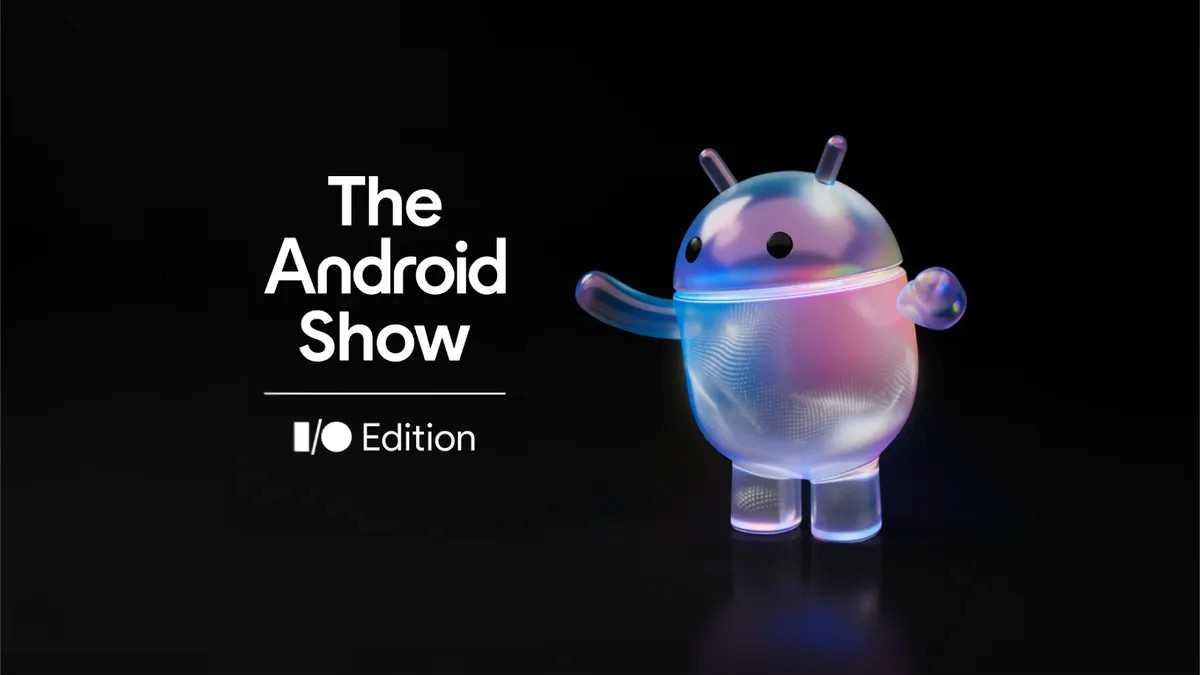
MUMBAI: Google used The Android Show: I/O Edition 2026 to make one thing very clear: Android is no longer just an operating system. It now wants to become an “intelligence system” powered by AI, automation and proactive assistance.
Ahead of its flagship Google I/O 2026 event, the company unveiled a sweeping set of updates across phones, laptops, cars and apps, all tied together by its AI assistant Gemini. The announcements ranged from a brand-new laptop category called Googlebook to creator-focused upgrades in Android 17 and a more deeply integrated AI experience inside browsers, messaging and cars.
At the centre of the showcase was Gemini Intelligence, a new layer of AI features designed to automate tasks across apps and devices. The company demonstrated how Gemini could handle multi-step actions such as finding information in emails, filling shopping carts, booking parking spaces and completing forms directly inside apps and websites.
Google VP, product management, Mindy Brooks said Android devices were becoming “more proactive” and capable of helping users complete tasks with minimal manual effort.
One of the biggest surprises of the event was the introduction of Googlebook, a new category of premium AI-first laptops that combine elements of Android and ChromeOS into a unified experience.
The laptops feature an AI-powered “Magic Pointer” cursor that offers contextual actions simply by hovering over content. Users can summarise documents, edit images, create meetings or compare visual elements without switching between apps. The system also supports custom AI-generated widgets that can pull information from Gmail, Calendar and other Google services.
Google senior director, laptops & tablets, Alex Kuscher described Googlebook as a rethink of the modern laptop for the Gemini era.
Hardware partners teased during the showcase included Acer, ASUS, Dell, HP and Lenovo. The devices also revive the glowing “Glowbar” design element first seen on older Chromebook Pixel models.
On smartphones, Android 17 is leaning heavily into creator tools and digital wellbeing. A new feature called “Pause Point” attempts to slow doomscrolling by forcing a 10-second pause before opening distracting apps. Users are encouraged to reflect, breathe or switch to alternative activities before continuing.
Meanwhile, “Screen Reactions” aims to simplify reaction video creation by letting users record their face and screen simultaneously without needing third-party editing apps.
Social media creators also received a boost through deeper integration with Meta’s Instagram. Android devices will now support Ultra HDR capture, improved stabilisation and better upload quality for Instagram content. The Android version of Instagram’s Edits app is also getting AI-powered tools such as sound separation and one-tap enhancement.
For professional creators, Adobe confirmed that Adobe Premiere will soon arrive on Android, turning flagship smartphones and tablets into portable editing suites.
The company also used the event to showcase major upgrades to Android Auto. New immersive navigation adds 3D maps, terrain details and enhanced lane guidance, while parked vehicles will support full HD video playback from apps such as YouTube. Once the vehicle starts moving, playback automatically switches to audio-only mode.
Automakers including BMW, Ford, Mahindra and Volvo are among those expected to support the upgraded in-car experience.
AI security and privacy also featured prominently during the showcase. Google said Gemini-powered automation would remain opt-in, with users able to control which apps AI can access. New safeguards include scam-call detection, stronger one-time password protection and real-time monitoring of suspicious app activity.
The company additionally announced that Quick Share, Android’s answer to AirDrop, is expanding to more brands and will now support file transfers to Apple devices through QR codes and cloud links. Support inside apps such as WhatsApp is also on the way.
The event wrapped with a broader message about Android’s future direction. Rather than making users constantly navigate apps and menus, Google wants Gemini to quietly handle the busywork in the background. In short, Android is moving from taps and swipes to prompts and intentions, with AI increasingly taking the wheel.






