MAM
16 per cent urban Indians currently own cryptocurrency: Kantar study

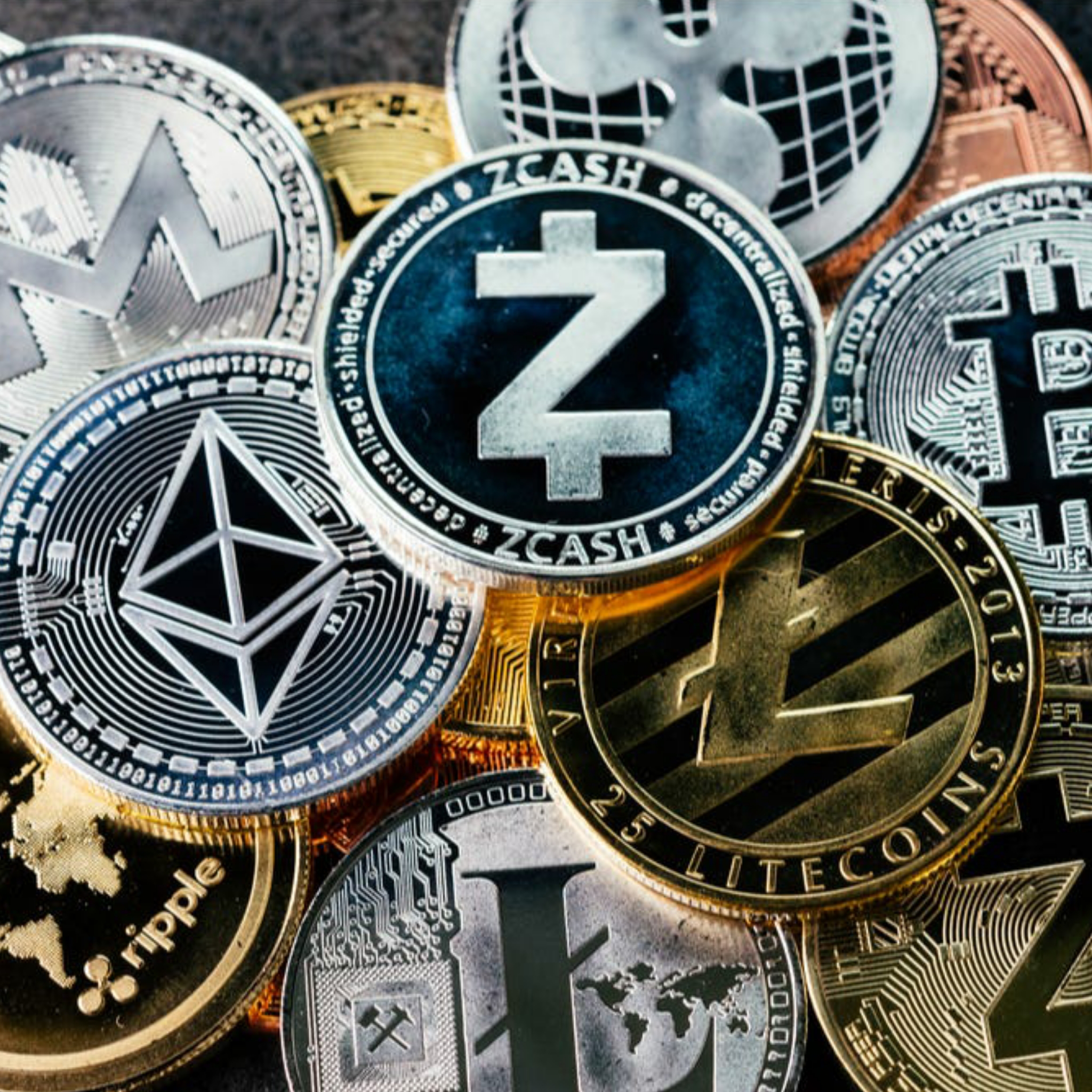
Mumbai: The sentiment around cryptocurrency in India and the world over is volatile, with tweets or news around cryptocurrency seen to have an immediate effect on it. As per a recently concluded study by Kantar, it is learned that while 83 per cent of urban Indians are aware of cryptocurrency, the ownership is at a healthy 16 per cent for a product that has gained traction only recently.
Out of the 16 per cent urban Indians who claim to currently own cryptocurrency, ownership is highest in the top four metros at 20 per cent, among private banking customers at 19 per cent and in the age group of 21-35 years at 18 per cent, found the study. The owners have a higher risk appetite, with their investment basket comprising shares at 31 per cent and mutual funds at 21 per cent over traditional choices like fixed deposits at 19 per cent and life insurance at 16 per cent.
The survey by the evidence-based insights and consulting company was primarily conducted amongst males and females aged between 21-55 years across twelve key Indian cities such as Mumbai, Delhi, Chennai, Kolkata, Pune, Hyderabad, Bangalore, Ahmedabad, Indore, Patna, Jaipur, and Lucknow. Respondents were a mix of salaried and business owners- all with savings accounts across various banks, Kantar stated adding that the time frame of undertaking the social analytics was from January 2020 to June 2021.
The study also found that cryptocurrency owners and intenders have a diversified financial portfolio. The average number of financial products owned is higher (6.6) among those who have currently invested in cryptocurrency as well as those who intend to (5.2). In comparison, the average number of financial products owned by non-crypto-owners stands at 4.6 and 3.6 for non-intenders.
Interestingly, one in two consumers intending to invest in cryptocurrency are repeat investors. Out of the total sample surveyed, 19 per cent Indians intend to invest in cryptocurrency in the next six months. However, this is lower when compared with the intention to invest in mutual funds (49 per cent) and shares (33 per cent) in the next six months.
Most Indians are currently trying to better understand how cryptocurrency works and if it’s worth the investment and risk, according to Kantar- Insights Division executive director Anand Parameswaran. “This is the first of its kind research study on cryptocurrency in India. We met close to 2,000 consumers and saw that awareness levels are clearly quite high,” he said about the study, adding that, “Consumers are willing to invest in the product and are looking at diversification of their portfolio among high-risk products. Engagement with various crypto exchanges also indicates that ownership numbers seem likely to increase in future.”
In terms of ownership, the top five preferred currencies are Bitcoin which leads by far at 75 per cent, followed by Dogecoin at 47 per cent, Ethereum at 40 per cent, Binance Coin at 23 per cent and XRP at 18 per cent. Though Bitcoin leads on ownership; net sentiment is highest for Ethereum (41). Net sentiment for other cryptocurrencies like Dogecoin, XRP, and Binance coin is also higher compared to Bitcoin.
Consumer intelligence from social data shows that the profile of those interested in cryptocurrency is most likely to be men in the age group of 25-44. The higher skew of the cryptocurrency interested audience is also seen towards the top metros with Delhi topping the charts at 21 per cent followed by Mumbai at 17 per cent, Bangalore at 12 per cent, Hyderabad at seven per cent and Pune at six per cent.
Crypto exchanges like WazirX, Zebpay, Coinswitch, and Kuber are most used to purchase the currency for the most popular ones- Bitcoin (70 per cent), Dogecoin (78 per cent) and Ethereum (70 per cent).
“While most perceive cryptocurrency currently as a digital currency, it is also perceived by the majority as an alternate form of investment. Cryptocurrency thus can be a potential competition to alternate investment instruments like gold,” said Frrole AI co-founder Amanpreet Kalkat.
Earlier, Elon Musk’s tweet (about not accepting Bitcoin for the purchase of Tesla vehicles) gave cryptocurrencies a negative sentiment around May 2021. However, post a reassurance, these sentiments shifted back to positive post-June 2021.