
e-commerce
Quick commerce ad budgets set to rise 25-35 per cent this festive season
Brands may allocate up to 40 per cent of retail media budgets to quick commerce


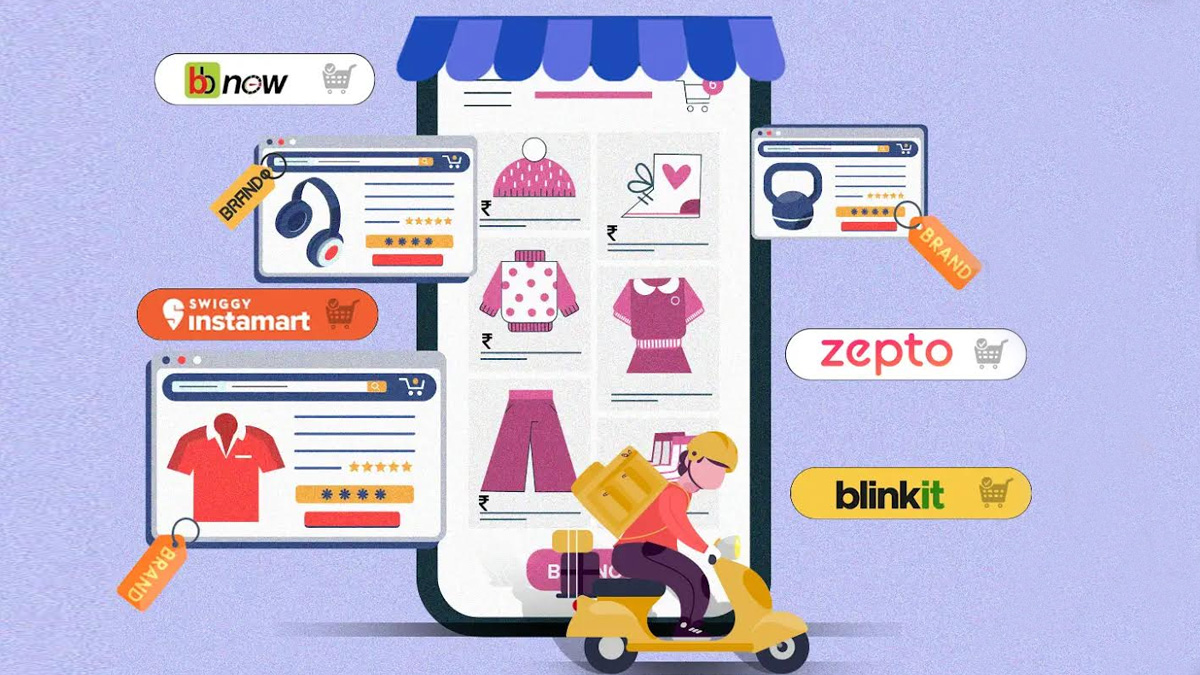
MUMBAI: This festive season, the quickest route to the shopper may also be the quickest route to the ad budget. Brands are expected to increase their quick-commerce advertising spends by 25-35 per cent year-on-year, as rapid delivery platforms strengthen their hold on ecommerce and retail-media budgets.
According to Saurabh Kumar, founder of performance marketing agency Envigo, quick commerce now accounts for around 20-30 per cent of ecommerce and retail-media budgets, with the share rising to 30-40 per cent for high-frequency categories such as FMCG, snacks, beverages, beauty and gifting.
The spending spree is being fuelled by the growing scale of the medium. Kumar expects quick-commerce advertising spend to reach nearly Rs 5,000 crore in 2026, turning the channel from an experimental line item into a more established festive-performance play.
During the festive season alone, quick-commerce platforms could generate Rs 1,200-1,500 crore in advertising revenue, according to Kumar. That would represent 40-50 per cent growth over the previous year, with festive weeks potentially contributing nearly a quarter of annual advertising revenue as brands compete for premium placements and shoppers with stronger purchase intent.
FMCG, food and beverages, beauty and personal care, and festive gifting are expected to account for 65-70 per cent of festive quick-commerce advertising expenditure. Electronics and lifestyle brands could add another 15-20 per cent.
The bulk of the money will continue to come from brands actually selling products on these platforms. Kumar expects 80-85 per cent of spending to come from endemic brands, while non-endemic advertisers such as BFSI, fintech, entertainment and services could account for 15-20 per cent.
That smaller pool, however, could become the next big growth engine. Kumar expects the non-endemic share to potentially double over the next 12-18 months as quick commerce develops into a high-intent media channel rather than simply a delivery platform.
With brands chasing the same limited premium inventory, advertising costs are also expected to climb. Kumar estimates quick-commerce ad rates could rise 30-50 per cent during the festive season, with homepage and category placements commanding the sharpest premiums.
In competitive categories, CPCs could move from around Rs 5-10 to Rs 7-15 or more, particularly as FMCG, gifting, snacks, beverages, beauty and electronics brands battle for visibility. Festive quick-commerce spends could also reach 1.5-2 times regular-month levels.
The higher costs are being supported by stronger conversion. Kumar estimates well-executed campaigns can deliver 25-40 per cent higher sales during peak festive weeks, while ROAS could improve from around 3-4X to 4-6X.
Rajiv Dingra, founder and CEO of ReBid, expects brands with a significant quick-commerce presence to raise festive media budgets by 35-50 per cent compared with business-as-usual months. For categories such as snacks, beverages, beauty, personal care, home care and impulse products, increases of 50 per cent or more could be possible.
Dingra puts the current planning benchmark at 20-30 per cent of a brand’s ecommerce or retail-media budget, rising towards 30-40 per cent for quick-commerce-native categories during the peak festive window.
He also cited Bain estimates that quick commerce already accounts for 16-17 per cent of Indian e-retail GMV, while users record an approximately eight times higher visit-to-order conversion rate than traditional e-retail.
Food, beverages and grocery could account for 40-45 per cent of festive quick-commerce advertising, according to ReBid’s estimates. Beauty, personal care and home care could contribute another 20-25 per cent, while electronics, gifting and general merchandise could make up 20-25 per cent.
Yet, much like Envigo’s estimate, ReBid sees endemic brands dominating the category, accounting for 85-90 per cent of advertising today. Non-endemic advertisers make up just 10-15 per cent, although Dingra expects that to change as platforms develop more audience-led formats.
Dingra believes the evolution of quick-commerce advertising could take the platforms beyond direct competition with ecommerce marketplaces such as Amazon and Flipkart.
As homepage, display and audience-led formats mature, quick-commerce platforms could increasingly compete for broader digital advertising budgets currently flowing to Google and Meta.
Advertising rates are expected to rise by around 40-50 per cent during peak festive weeks, driven by competition for first-screen search positions, sponsored products, category placements and homepage inventory. A keyword costing Rs 10 CPC in a regular month could move towards Rs 14-15 during the most competitive festive days.
Kunal Kothari, chairman, founder and COO of Mobavenue AI Tech, expects advertisers to potentially increase quick-commerce budgets by nearly 70 per cent during peak periods, while high-demand placements could see rates rise 40-50 per cent.
Kothari estimates quick-commerce platforms generated more than Rs 3,000 crore in advertising revenue in FY25 and expects the festive period to add a significant incremental pool.
While FMCG and everyday consumption remain the biggest contributors, beauty, electronics, gifting and other categories are increasingly chasing the same inventory. Kothari estimates stronger campaigns can deliver around 5-7X ROAS, reinforcing the shift towards measurable, performance-led retail media.
The festive season, in other words, could turn quick commerce into more than a last-mile convenience play. With shoppers already there and brands increasingly willing to pay for proximity, the race is shifting from who can deliver fastest to who can influence the purchase fastest.






