
iWorld
Netflix identifies YouTube as a direct competitor for TV viewing
Ted Sarandos says Netflix competes with YouTube for viewers, ads and creators


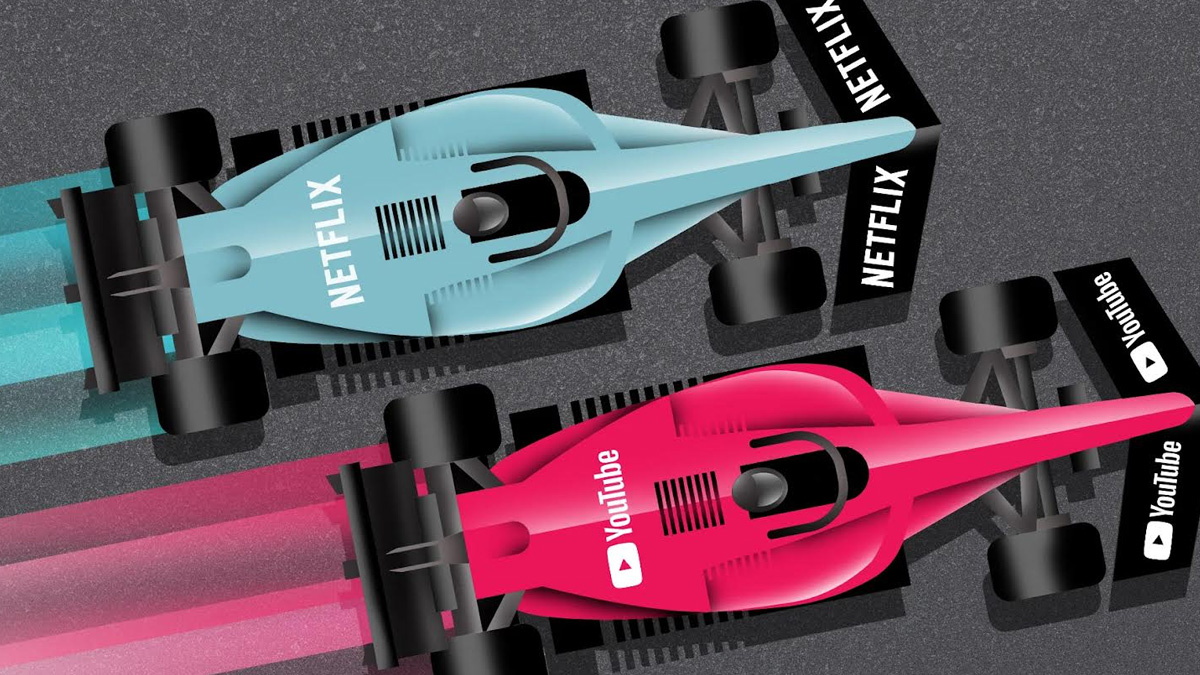
MUMBAI: The streaming battle is no longer confined to streaming platforms, with YouTube increasingly sitting on the same sofa as Netflix. Netflix co-CEO Ted Sarandos has identified YouTube as a direct competitor for television viewing, while making it clear that Netflix has no plans to turn itself into a user-generated content platform.
Speaking at Bloomberg’s 2026 Screentime event, Sarandos said the competitive overlap between the two platforms stretches beyond viewers. Netflix and YouTube are also competing for advertising and subscription revenue, creators and projects, particularly as YouTube continues to become a bigger part of the television viewing experience.
Yet Sarandos drew a clear line between recognising YouTube as a rival and copying its business model. “We’re definitely… not in the UGC [user-generated content] business,” he said, signalling that Netflix intends to remain selective about the creators and programming it brings to the service.
That does not mean Netflix is closing the door on digital creators altogether. Sarandos said the company could work with established creators who are already producing programming close to professional standards, particularly when Netflix can provide another route to monetise that work.
The distinction is important because YouTube’s creator ecosystem is built around a vastly broader pool of user-generated programming. Netflix, by contrast, is looking at opportunities where creators already operate closer to the professional production environment and where bringing their work to the platform adds another layer of commercial value.
Sarandos said Netflix has been watching YouTube’s competitive potential for roughly a decade. In an interview earlier this year, he pointed to the company’s quarterly earnings calls from 10 years ago, where YouTube was already being identified as a potential competitor.
The competition has become harder to ignore as viewing habits have moved towards connected television screens. Sarandos argued that it is increasingly artificial to separate traditional television from YouTube when audiences are spending substantial amounts of time watching the platform on their TVs.
For Netflix, that means the battle for screen time is broader than the traditional streaming market. A viewer sitting in front of a television can switch between Netflix, YouTube and other programming with almost no friction, making attention itself one of the key points of competition.
The shift also changes the advertising equation. YouTube’s presence across television screens puts it in competition with Netflix not only for viewing time but also for advertising budgets, while Netflix continues to expand its own advertising business alongside its subscription offering.
Sarandos acknowledged that Netflix’s engagement growth has also slowed compared with what he would like. Viewership increased 2 per cent during the first half of 2026, a pace he described as slower than his target.
“Overall, we’re not growing as fast as I want us to, and we’re working on making that move faster,” Sarandos said. The comments underline the pressure on Netflix to keep finding new ways to increase viewing while competing against an increasingly crowded entertainment ecosystem.
Live programming is one of the areas Netflix is using to create additional engagement. Sarandos said live content, including NFL games, represents about 5 per cent of Netflix’s annual $20 billion content investment but accounts for roughly 1 per cent of total viewership.
Those numbers may look modest, but Netflix sees live programming as having value beyond minutes watched. Sarandos said live events can help bring in new subscribers, reduce churn and attract advertisers, giving the company reasons to invest even when live content does not generate a proportionate share of overall viewing.
The strategy reflects Netflix’s broader attempt to make its service more than a home for scripted films and series. Live sports and events can create appointment viewing, while established digital creators offer another potential source of programming without requiring Netflix to recreate YouTube’s enormous creator ecosystem.
At the same time, Sarandos remains reluctant to chase every available viewing model. He ruled out the idea of introducing a fully free, ad-supported Netflix tier, saying a FAST, or free ad-supported television, offering would not make sense if it undermined the value of the company’s existing product.
For Netflix, the concern is less about whether free television can attract viewers and more about what happens if those viewers simply move away from its core paid offering. Sarandos said no FAST version would be worth “cannibalising the core product”.
The comments put Netflix’s current strategy into sharper focus. The company is willing to compete with YouTube for television attention, advertising, creators and projects, but it does not appear interested in winning that contest by becoming YouTube itself.
Instead, Netflix is betting on a more selective mix of premium programming, live events and partnerships with established creators. With audiences increasingly treating YouTube as television and television as an open-ended menu of platforms, the fight for the remote control is becoming a fight for every spare minute of attention.






