iWorld
Netflix faces viewer retention test as growth shifts beyond subscribers
Q2 revenue seen rising 13.6 per cent to $12.59 bn as ad business draws focus

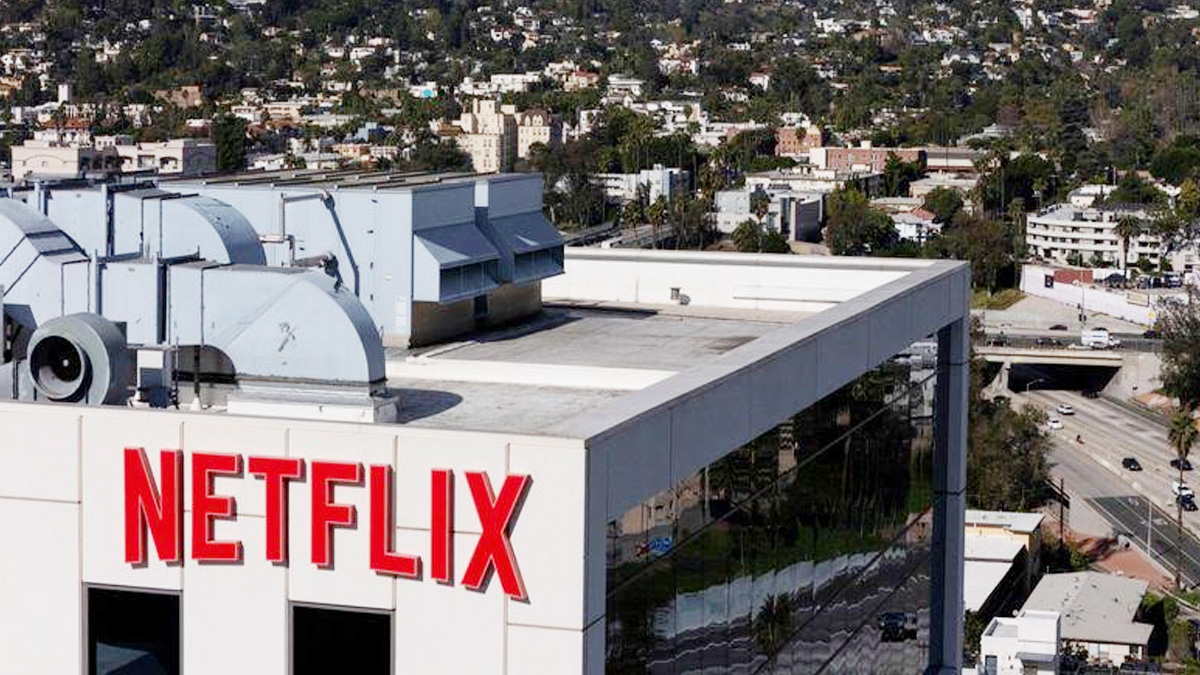
MUMBAI: The binge is no longer the biggest cliffhanger, the audience is. As Netflix heads into its second-quarter earnings, investors are asking a different question: not how many people signed up, but how many are still pressing play.
The world’s largest streaming platform is entering a new phase where viewer engagement, rather than subscriber additions alone, is emerging as the key measure of success. With competition intensifying across streaming, social video and creator platforms, Netflix is under pressure to prove it can keep audiences coming back long after the opening weekend.
Analysts expect the company to report 13.6 per cent year-on-year revenue growth to $12.59 billion, but the pace of expansion has moderated after the tailwinds created by password-sharing restrictions and subscription price increases over the past two years.
The company’s advertising business is also under the spotlight. Expected to generate nearly $706 million in revenue, the ad-supported tier has become a central pillar of Netflix’s long-term strategy, although its growth has been slower than many analysts anticipated following its launch.
To broaden its appeal, Netflix has steadily expanded beyond traditional on-demand entertainment. The company has ventured into live events and sports, with reports suggesting it is considering a bid for the 2030 and 2034 FIFA World Cup rights in the United States. It has also reportedly explored acquiring social movie platform Letterboxd, signalling ambitions to deepen audience engagement beyond video streaming.
Yet attracting viewers is only half the challenge. Retaining them has become increasingly difficult in a crowded entertainment landscape. Reports indicate that several high-profile Netflix originals, including The Night Agent and Beef, experienced significant declines in viewership after their debut seasons, raising fresh questions about long-term audience loyalty.
Competition is also coming from unexpected directions. Youtube continues to capture a growing share of viewing time, while legacy media companies are investing heavily in their own streaming services. At the same time, consumers are increasingly embracing short-form video, creator-led content and mobile-first entertainment, putting pressure on Netflix’s traditional binge-watching model.
The company has already seen its market value decline by more than 20 per cent this year, reflecting investor concerns over its next phase of growth. Industry observers say Netflix has successfully completed its journey from streaming disruptor to media heavyweight. The next challenge is proving it can hold viewers’ attention in an entertainment market where the biggest competition is no longer just another streaming service but every screen vying for a user’s time.






