iWorld
Instagram introduces in-video shopping via Reels in India
New features let users discover and buy products directly within videos


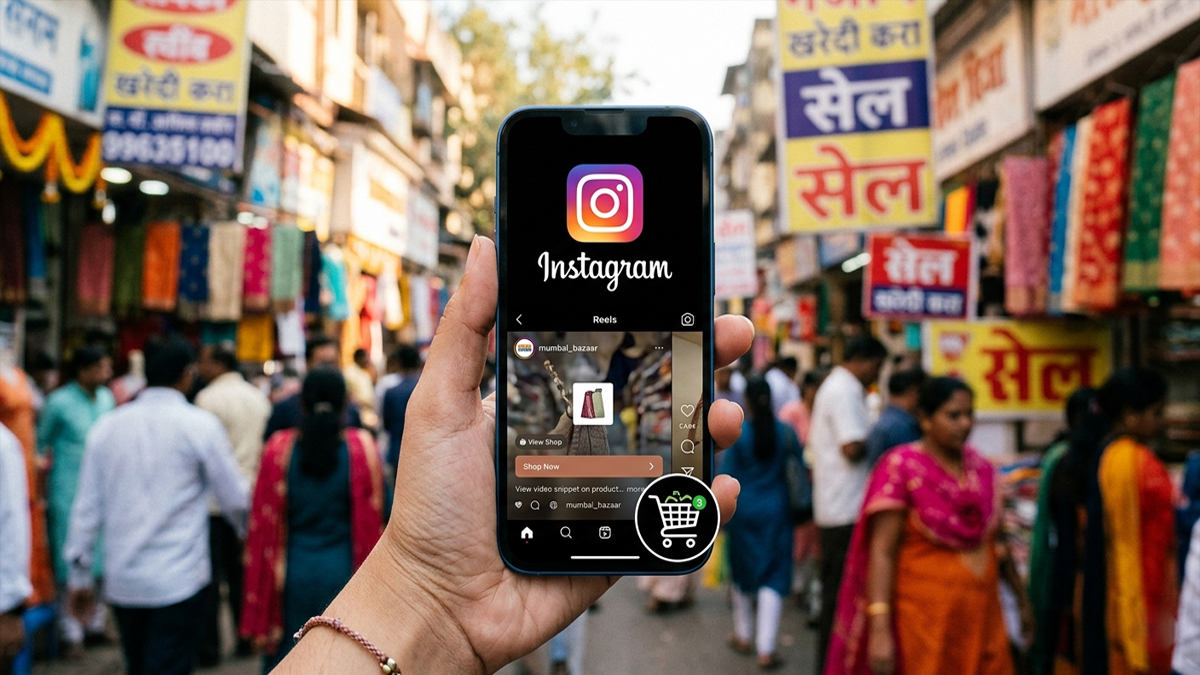
MUMBAI: Instagram has rolled out a major upgrade to its shopping ecosystem in India, positioning Reels as a central hub for product discovery and purchase, as the platform doubles down on the fast-growing social commerce trend.
The update, introduced by parent company Meta, enables users to shop directly from short-form videos through integrated product tags and affiliate links. The move significantly reduces the gap between discovery and purchase, shifting away from older workarounds such as “link in bio” towards a more seamless, in-video experience.
Under the new system, users can tap on a “View Products” prompt within a Reel to access product details, pricing and purchase options. While transactions are completed on the seller’s website rather than within the app, the transition is designed to be quick and frictionless.
A key feature of the rollout is the expansion of affiliate commerce. More than five million creators in India can now add trackable product links to their Reels, earning commissions that typically range between 3 and 15 per cent per sale. This opens up new revenue streams, particularly for smaller creators who are increasingly influencing purchase decisions.
The development reflects a broader shift in how Indian consumers shop online. Unlike traditional digital advertising, purchase decisions are often driven by trust and relatability, with users preferring to see products in real-life scenarios such as fashion styling or tech demonstrations.
The platform’s updated algorithm also leans into this behaviour, prioritising content based on shopping intent rather than just follower networks. This means users are more likely to see product-led Reels tailored to their browsing and buying patterns.
For businesses and creators, the system requires a professional account and a synced product catalogue via Facebook Business Suite. Currently, only physical goods are eligible for tagging, keeping the focus on tangible, shippable products.
The rise of shoppable Reels also highlights intensifying competition in the space. Instagram is effectively countering similar commerce integrations from YouTube, while also responding to the growing use of WhatsApp Business for direct-to-consumer sales in India.
At the same time, the platform has introduced AI-led moderation to ensure product authenticity and reduce the risk of misleading listings, aiming to build greater trust within its marketplace ecosystem.
As social commerce continues to evolve, Instagram’s latest push signals a clear direction of travel. Shopping is no longer a separate activity but part of the scroll itself, where inspiration, influence and instant purchase now sit side by side.