iWorld
Facebook tests Reels-first experience for users in India
Meta puts full-screen video first while keeping Classic Feed available as a second tab


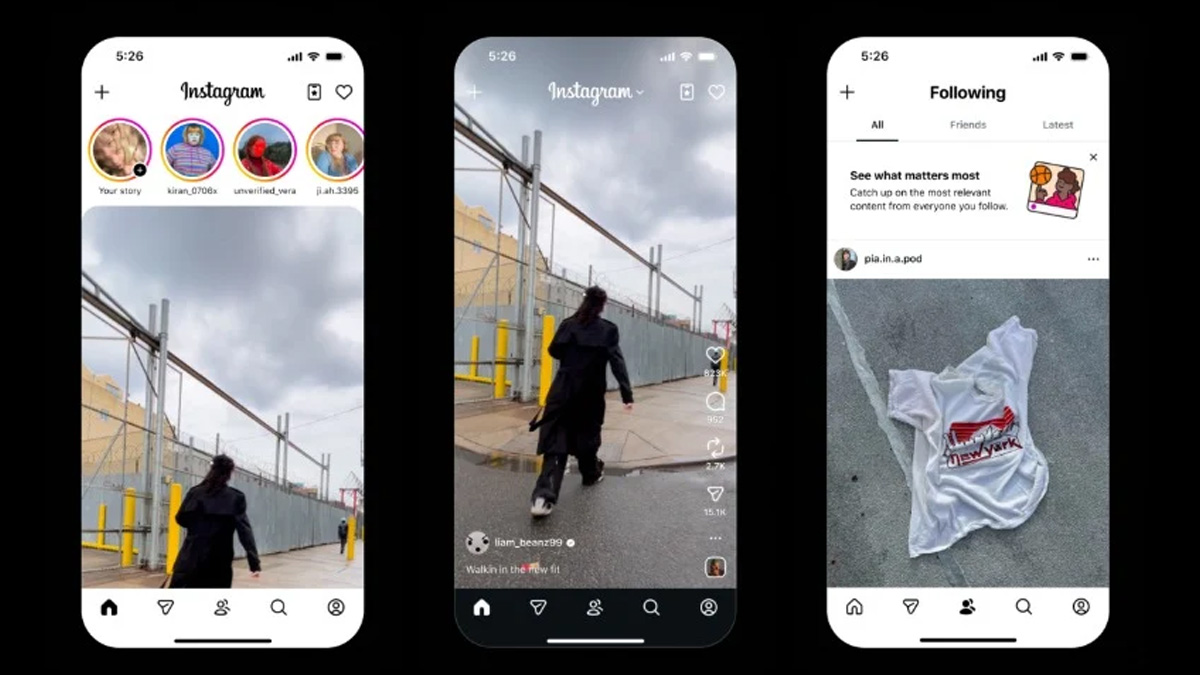
MUMBAI: Facebook is giving its familiar feed a Reel makeover. Meta has started testing a new Reels-first experience in India that takes selected users directly into a full-screen video interface, marking a shift from the platform’s traditional feed-first opening towards a more visual, video-led experience.
The test is being rolled out to a subset of Facebook users whom Meta believes have a stronger preference for consuming video on the platform. For these users, opening Facebook will mean landing on full-screen video rather than the conventional feed of posts, updates and other content.
The experiment reflects how dramatically the role of video has changed on social platforms. Meta is looking to make Reels, creators and the conversations built around them easier to discover, while testing whether a more immersive experience better matches the way some users already spend their time on Facebook.
Under the new design, Reels take centre stage as soon as the app opens. The full-screen format is intended to make video consumption more immediate, giving creators and their content the first opportunity to capture a user’s attention rather than asking people to navigate through the traditional Feed before reaching Reels.
But Facebook is not completely putting its old feed out to pasture. Users included in the experiment can switch back to the traditional Feed-first experience, while Meta plans to retain Classic Feed as a separate second tab that can be accessed with a single click.
That two-track approach gives Meta room to experiment without forcing every user into the same version of Facebook. Someone who treats the platform primarily as a place for entertainment and creator content can start with video, while users who prefer posts and updates from friends and communities can continue with the familiar Feed.
Tom Allison, Head of Facebook at Meta, has previously said the company is rethinking the Facebook experience around people who come to the platform primarily for entertainment and connections with creators. He said users are showing a preference for more immersive, visual and video-forward experiences.
Allison has also pointed to the wider role video now plays beyond simple viewing. According to him, video is increasingly becoming a place where conversations happen, communities form and commerce begins, making the format relevant not just to entertainment but also to discovery and interaction.
For creators, the change could make the opening seconds of a Reel even more important. With video becoming the first thing some users see, the new experience puts creators, short-form storytelling and the ability to hold attention closer to the centre of Facebook’s product strategy.
The move also fits into a broader shift across social media, where short-form video has become a major route to discovering entertainment, personalities, communities and products. Rather than treating video as one content format among many, platforms are increasingly experimenting with interfaces built around watching first and navigating later.
India’s inclusion in the test is particularly notable because Meta had previously indicated that the redesigned experience would first be tested internationally, especially in markets where users consume significant amounts of video. The company had said it would assess the international rollout before exploring a US launch next year.
For Facebook, the experiment is also about understanding different reasons people still use a platform that has been around for two decades. Some users may open it to see what friends and family are doing, while others may be looking for creators, entertainment or a steady stream of short-form videos.
That creates a product balancing act for Meta. Push video too aggressively and the platform risks moving away from the utility that made Facebook a daily habit for millions; keep video tucked away and it may miss how audiences increasingly consume content.
The Reels-first test attempts to split that difference by personalising the starting point rather than imposing a single layout on everyone. Meta can put video first for users who appear to want it while preserving the traditional experience for those who do not.
Allison has described this as part of Facebook’s broader approach to product development, where the company watches how people use the platform, tests new formats and adapts the experience as behaviour changes. He has also said that, two decades into Facebook’s existence, the platform continues to evolve as its users’ needs evolve.
For now, however, the Reels-first experience remains a test and not a universal redesign of Facebook. With the Classic Feed still available as a separate tab and users able to switch back, Meta is effectively testing two versions of the Facebook front door, one led by the feed and the other ready to roll with a Reel.