e-commerce
Amazon Great Indian Festival sees 50 per cent rise in shopping volume
Premium purchases surge across smartphones, TVs and beauty as non-metros drive over 70 per cent of shoppers


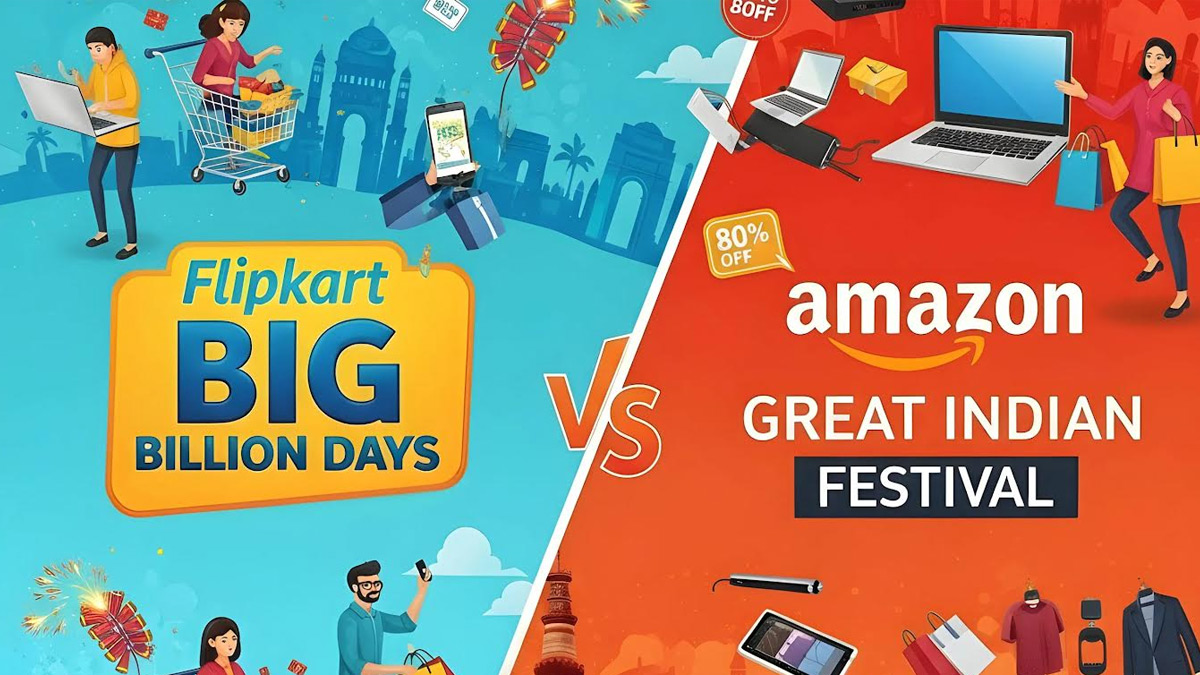
MUMBAI: Festive shopping is getting a premium makeover, and Amazon’s Great Indian Festival 2026 is seeing customers reach for more than just the usual bargains. From smartphones above Rs 30,000 and luxury beauty to Mini LED televisions and lab-grown diamonds, shoppers are moving up the price ladder even as discounts and easy payment options keep the spending wheels turning.
The ongoing sale has recorded a 50 per cent year-on-year increase in shopping volume, with more than 70 per cent of shoppers coming from non-metro markets, Amazon said on 4 November. The marketplace clocked over 393 crore customer visits during the festive shopping period, while the sale is set to continue until Bhai Dooj on 11 November.
The numbers point to a festive season in which premium products are finding buyers well beyond the country’s biggest cities. Premium Android smartphones priced above Rs 30,000 registered 50 per cent growth year-on-year, while premium smartwatch sales grew fivefold. Tablets in the same price bracket recorded growth of more than 30 per cent.
Televisions, too, are getting bigger, with larger screens finding their way into more living rooms. Sets measuring 55 inches and above accounted for 60 per cent of all television purchases during the event. Mini LED television sales rose 33 times compared with the previous year, underlining the appetite for higher-end viewing experiences.
The upgrade bug was not confined to electronics. Lab-grown diamond jewellery sales increased threefold, while luxury beauty grew by more than 30 per cent. Customers in tier-three cities bought over 50 per cent more beauty products than they did a year ago. High-efficiency solar panels also saw demand rise nearly sevenfold, suggesting that festive spending is extending to energy-efficient home solutions.
The appetite for pricier products has not meant that shoppers have stopped watching their wallets. Payment offers and affordability schemes remain an important part of the festive shopping mix, with Amazon reporting a 40 per cent year-on-year increase in spending through EMIs.
Nearly 90 per cent of EMI spending came through interest-free No-Cost EMI options. The number of customers choosing No-Cost EMI rose 25 per cent from last year, while more than 20 per cent additional customers used instant bank discounts through cards issued by SBI, Axis Bank, ICICI Bank and HDFC Bank.
Across deals, instant bank discounts, cashback, Amazon Pay rewards and other offers, customers saved more than Rs 2,800 crore during the event. Cashback, in particular, found plenty of takers, with one in every three units purchased carrying a cashback benefit.
Amazon India vice president Saurabh Srivastava said the company had recorded its highest-ever shopping volume during the event, growing more than 50 per cent over the previous year. He also said the platform had seen its highest-ever customer savings during the festive period.
The festive shopping map is increasingly being drawn beyond the metros. Customers from towns with populations of less than 10 lakh bought nearly as many products per customer as shoppers in larger cities such as Coimbatore, Nagpur and Patna.
Karnal made its way into Amazon India’s top 25 cities, with one in every two residents shopping on the platform during the festive period. Per-customer purchases in the city were also nearly at par with Bengaluru, a sign that spending patterns in smaller markets are beginning to resemble those in established urban centres.
Delhi and the National Capital Region recorded the highest-value purchases across states, followed by Bihar, Jharkhand and Chhattisgarh. The premium smartphone boom, meanwhile, was not limited to metropolitan customers. Tier-two and tier-three cities accounted for more than half of the growth in smartphones priced above Rs 30,000.
While shoppers were upgrading their purchases, they were also getting them faster. Amazon’s quick-commerce service, Amazon Now, recorded an 18-fold increase in daily orders during the festive period. It also brought 23 times more first-time shoppers to Amazon.in compared with the previous year.
The average value of products ordered through Amazon Now increased 30 per cent year-on-year, suggesting that customers were using the service for more than just small, last-minute essentials.
Faster fulfilment also gained ground across the wider marketplace. One in every three orders during the festive period was delivered on the same day, while the number of products delivered the same day or faster grew nearly fivefold. In more than 120 cities, one in every two products was delivered within minutes.
The sales momentum extended to businesses selling through the marketplace, particularly new entrants and smaller sellers. New sellers sold more than 2.3 times the number of units compared with the previous year, marking their strongest performance across all editions of the Great Indian Festival.
The number of small and medium business sellers recording a tenfold increase in sales grew by more than 30 per cent year-on-year. Sellers offering products priced below Rs 500 also saw unit sales climb 70 per cent, showing that the festive rush was not restricted to premium purchases.
Artisan hubs, including Ajmer, Jodhpur and Saharanpur, registered more than 30 per cent growth in units sold, giving traditional and locally made products a larger share of the festive shopping action.
Taken together, the figures show a sale being shaped by two seemingly different impulses: customers are trading up to premium products while continuing to rely on cashback, bank offers and interest-free instalments to make those purchases more manageable. With the Great Indian Festival running through 11 November, Amazon’s festive numbers also underline the growing importance of smaller cities, faster deliveries and emerging sellers in the country’s online shopping market.