MAM
Cinema Halls to Smartphones: The Shift in Indian Entertainment Consumption

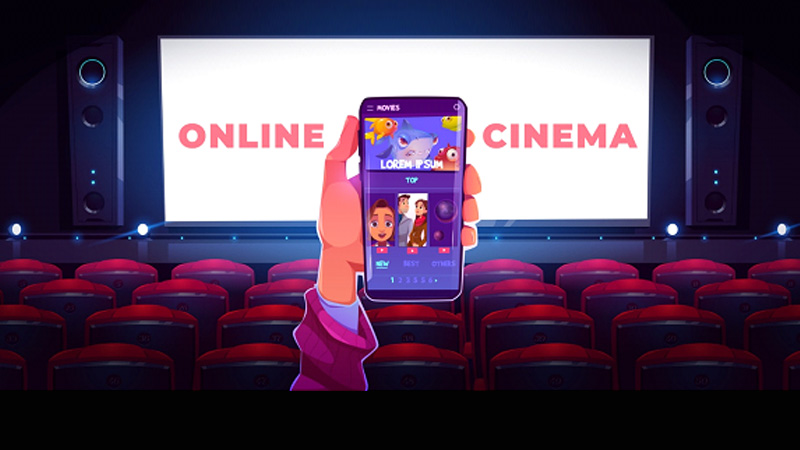
India has long been among the world’s biggest film markets in terms of ticket sales, number of films produced, and theatre infrastructure. Over the past decade, the rise of digital streaming, cheaper data, and changing consumer behavior has pushed for a rebalancing.
According to a recent EY research, the Indian media and entertainment (M&E) industry increased by 3.3% in 2024 and was valued at approximately INR 2.5 trillion (US$29.4 billion).
Within that, digital media is the largest segment, and contributed around 32% of total revenues. In contrast, traditional media, like TV, print, and radio, saw drops in both advertising and subscription income.
The Legacy of Cinema Halls
For so long, the cinema has been the centrepiece of Indian entertainment. Big festivals, major star vehicles, and regional cinema in language hubs built the live-theatre experience. It was in the 2000s and 2010s when multiplexes in large cities boomed. Single screens remained relevant in smaller towns, and cinema halls generated major portions of film revenues.
However, it can’t be denied that experiencing entertainment at the cinema can be a bit pricey. The cost of theatre tickets, travel, and supplementary expenses (food, parking) slows attendance for many films. Some mid-budget or smaller regional films struggle to recoup costs via theatrical alone. The impact of COVID-19 also forced many delayed releases or direct-to-OTT experiments, which in turn raised questions about the sustainability of cinema as the only route.
Rise of OTT and Mobile-First Viewing
India’s OTT universe in 2025 stands at 601.2 million people who watched at least one streamed or online video in the past month. That accounts for about 41.1% of the population.
Of those, 148.2 million are active paid OTT subscriptions (including through telecom bundles and OTT aggregators).
Connected TV usage has surged: the number of Connected TV users is now 129.2 million, up 87% year-on-year. This shift shows streaming is no longer confined to phones only, as viewers want larger screens and living room experiences as well.
Data costs have fallen, smartphones have become ubiquitous, and broadband penetration has improved in urban and rural areas alike. Streaming platforms like Netflix, Amazon Prime Video, Disney+ Hotstar (now JioHotstar), Zee5, SonyLIV, and many regional players have scaled voice, subtitle, language localisation, and pricing to reach broader audiences.
Sports-related platforms or communities, both legal streaming and fan engagement spaces, show another angle of audience shift. For instance, users who follow cricket or other live sports not only stream matches on OTT platforms but also use various digital forums and social media platforms.
10CRIC and other similar websites are some of those online spaces where fans get access to the latest odds, team stats, and more. That reflects the way entertainment and live content spill over into related digital spaces, though the core viewing remains on OTT and smart devices.
Regional Content and Language Diversity
Regional language content is a key driver in this transformation. Ormax Media reports show that in 2024, the number of streaming originals in India dropped by about 18% compared to the previous year, after peaking in 2023. Still among originals, fiction series dominate (around 70% of OTT originals), and Hindi remains the dominant language with 65%share.
Other languages, such as Bengali, Telugu, and Tamil, have growing representation. Platforms focused on regional content (e.g., those devoted to one language) are just really seeing stronger engagement in their markets.
Viewers increasingly prefer content in local languages, with dubbed or subtitled versions helping content move across state borders. Films originally released in theatres are seeing extended life on OTT in regional markets.
Economics: Theatrical vs OTT
Releasing a film in theatres is expensive. Studios spend on distribution, digital or print delivery, big marketing campaigns, and then share a large cut with theatre owners. If a film doesn’t get a strong opening weekend, it often struggles to recover those costs.
An OTT release works differently. Platforms can cut down distribution expenses, reach audiences across cities and smaller towns at once, and earn through subscriptions or ads. This makes it a safer option for mid-budget or niche films that may not draw big crowds in cinemas.
Subscription Video On Demand (SVOD) and Advertising Video On Demand (AVOD) are also coexisting. Many platforms give both options. There is also bundling through telecom providers. Some films release theatrically and land on OTT after a window. Some would have direct-to-OTT release strategies, especially for smaller budgets or niche content.
Technology, Platforms, and Interactivity
Better mobile networks (4G, growing 5G), cheaper data, improved video compression, and smart TVs all push streaming quality up. Platform features like offline downloads, profiles, parental controls, and multi-device sync help retain users.
Interactivity now matters. Live trivia, polls during shows, social features built into streaming apps, and second-screen experiences. Streaming of sports or live events gets further amplified by chat, fan forums, commentary, and behind-the-scenes clips.
Hybrid content consumption (combining cinema and streaming) is becoming standard. Consumers may watch big action or festival films in theatres, but a large part of their weekly content diet comes from OTT. As streaming grows, the role of theatres adjusts.
What the Future Looks Like
Growth projections are strong, and the FICCI-EY report estimates the M&E sector will grow 7.2% in 2025. So, that’s about INR 2.7 trillion at a CAGR of about 7% to reach around INR 3.1 trillion by 2027.
OTT audience and adoption are also expected to increase, though growth rates might moderate. Connected TV adoption will likely continue its sharp rise.
However, platforms will still need to combine technology investment, pricing innovation, content localisation, and strong marketing to retain audience loyalty. Those who will are the ones likely to remain relevant for a long time.
Disclaimer:This article has been published without the journalistic or editorial involvement of Indiantelevision.com. IndianTelevision.com Group, or any of its affiliated websites. IndianTelevision.com Group does not endorse, subscribe to, or take responsibility for the content, opinions, or views expressed herein.
Readers are further advised that Online Casino, Betting, Cryptocurrency products, Financial Investments/Engagements, NFTs, and products or calls-to-action related to Health, Booking, Wellness, and Food are largely unregulated and carry significant risk. There may be no regulatory protections or avenues for recourse in the event of financial losses or health-related risks arising from engagement with such products or services.
IndianTelevision.com Group expressly disclaims any responsibility or liability for the information, views, announcements, declarations, or affirmations presented in this article. By choosing to proceed, the reader acknowledges and agrees that they do so at their own discretion and risk, and expressly absolve indiantelevision.com (IndianTelevision.com Group) from any potential legal claims, liabilities, or actions.
The content provided is solely for informational and awareness purposes.