MAM
GUEST COLUMN: The changing dynamics of influencer marketing in a digital era

Mumbai: Influencer Marketing has evolved significantly over the past few years. As opposed to 2017, influencer marketing involves much more than finding people with the highest social media followings to promote the products. Today it’s performance and purpose-driven – that needs both art and science.
Influencer marketing is projected to touch 2.85 billion by 2025 growing at a CAGR of eight per cent. Creator economy market size is estimated to reach $104 billion in 2022. The Indian market is becoming fairly regulated as well as digital marketing budgets are growing significantly. Having operated an influencer marketing company for the last four years, I have gathered the following insights and learnings in order to keep up with the rapidly changing dynamics of today’s influencer marketing:
Setting the wrong goal for influencer marketing
Most new marketers who get into influencer marketing sometimes consider it as a conversion play. It’s not. Influencer marketing is a brand awareness play. Obviously, this isn’t the ultimate goal, but if you compare the campaign to getting a return on every dollar spent, no purpose-driven impact will be achieved.
Pursue long-term influencer partnerships
A short-term, one-off social post is a thing of the past. Partnerships that are long-term and authentic are getting more traction right now. Treating influencers as brand ambassadors builds more trust between the brand, the influencer, and their followers. You get better audience engagement, more creative content, and your marketing budget works harder. As an influencer’s audience grows, your brand gets promoted continuously.
Shifting from influencers to content creators
Discovering the 20-30 top influencers is very easy, and brands with good budgets are all in to spend money on them. Basically, you’re treating these influencers like a newspaper or television show or a TV spot between IPL matches, but finding your niche is really important.
Create open-ended briefs with lot of ideas
The most unsuccessful influencer marketing campaigns are those in which brands force their thoughts onto influencers. Although influencers do that for money, the end result is a boring sponsored post on their feed. It’s not about telling the influencer what to do, but about giving them a detailed brief that helps and educates them about the brand. The ideas should be open-ended so that influencers can get something out of them that suits their audience, since not all influencers are great creatives.
Focus on videos. Not always short form videos. Do what suits you
Today, everything is snackable, but don’t we binge a long-form show with 10 episodes? Short forms are great, but it depends on the message you want to convey and what type of influencer you want to reach. It has to be entertaining, if not educational. When someone consumes the content, either of these works well.
Using Influencers in co-creation
Brands such as Zomato and Groww have had great success co-creating with influencers on their own channels. a no-brainer that we are living in 2022, where children these days want to become YouTubers rather than astronauts. Hiring influencers to create content that gets published on your own YouTube channel or Instagram feed gets your audience to consider you cool and progressive.
Purpose driven influencer marketing are on the rise
Today, our favourite influencers are those who stand for something, who just do not talk about how beautiful their life is but provide us with some value that is relevant to ourselves. Brands need to understand this well and keep this in mind while creating their influencer marketing strategy.
Engagement metrics and comments quality dictates success
While doing prospecting, it’s really important that we focus on engagement metrics more than followers. It is very important to inspect the comments on the last sponsored post so that we can ideally get a pattern of how sponsored posts perform on the feed of the influencer. Marketers often focus on the size of the influencer rather than the engagement they have.
Affiliate marketing is abused and misunderstood
Many brands are thinking that sharing revenue will lure influencers to work with them, but if your fundamental idea is that influencers’ audiences buy everything they promote, then that is a wrong assumption. It is the audience that can tell if an influencer is promoting something that generates no value and will instead push the brand down rather than up.
Influencers in the Podcast Industry are going to be popping up more
Audio is a great medium in today’s world because of the passive nature of it. We are all always busy, and influencer marketing in podcasts will be important for brands seeking a more meaningful long-term association with a large listening audience.
LinkedIn is going to be the new home for a lot of content creators
Writing is the next big thing, and LinkedIn as a platform has been really impressing a lot of professionals. It used to be a platform to seek new jobs, but now, along with the story features and great mobile experience, the infotainment content space is really serious on LinkedIn. Brands would ideally like to work with this set of influencers.
Influencer marketing is the greatest invention for the advertising and marketing industry and we are heading towards an interesting decade where videos, NFTs, creator economy tools, etc. are going to change the way we promote our products. Every company will become a media company that creates content of their own and partners more with the creator side of influencer marketing.
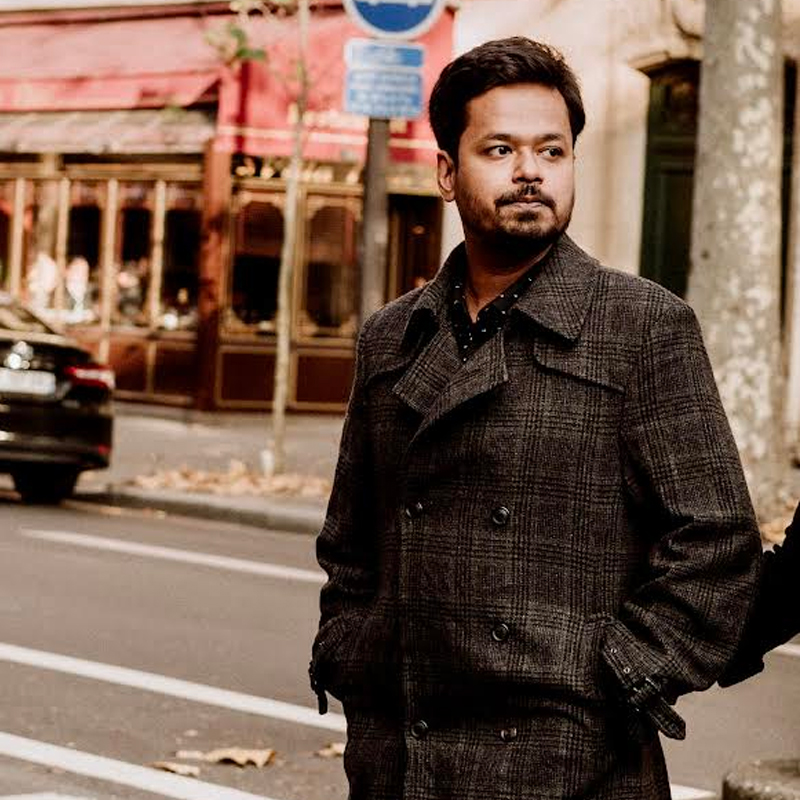
The author is Pulpkey founder Amit Mondal.