AD Agencies
What now for broadcasters and advertisers?


The clock is ticking down for the seven broadcast networks, (actually eight, if you include Discovery too that joined the fray over the weekend) which coerced TAM to report on them on a monthly basis unilaterally without consulting either the Indian Society of Advertisers (ISA) or the Advertising Agencies Association of India (AAAI).
Late Friday evening, advertisers such as Levers, P&G, Loreal, ITC, Britannia, Marico and Godrej put these broadcast networks on notice that if they did not revert to weekly ratings within 72 hours, all advertising on their channels would be pulled off and release orders would stand cancelled, 48 of those hours have already gone past. These broadcasters have only 24 hours left to take a decision.

More advertisers have been sending in their notices over the weekend and this is likely to continue over today. And their 72 hour time bomb notice will also continue to tick.
Advertisers sent the emails over the weekend to probably show they too mean business. Senior managements and sales heads in broadcast networks normally head of for their weekend holidays or timeoffs and hence are normally loathe to convene for any major decisions. With two days out of the three day notice period gone, now broadcasters will be hard-pressed to congregate and do some brainstorming and decide on their way forward today itself.
Above their heads is the guillotine of losing revenues. An estimate is that these broadcaster will lose Rs 22 crore a day collectively should there be a pullout.
There’s more to worry about for the broadcasters. If there are no TVCs, what will they do with the time that has been left vacant by the absence of ads? Fill it with promos of their own shows? Film trailers? But for how long?
They may have to incur further costs should they rely on extra content from 22-24 minutes being churned out currently to 26-27 minutes. That is going to mean writing out larger cheque amounts to TV producers as they will have to work their crew and casts for longer hours.
Continuing being rigid is an option broadcasters have. But it could lead to advertisers being equally rigid, leading to a standoff. Somebody will have to blink.
Even though some of the broadcast CEOs have been haw-hawing, saying that it is the advertisers who will do so, because they need the TV channels and history shows that they are prone to buckling under earlier when they are threatened with no ads, it need not hold true on this occasion.
Advertisers have options today: there are close to 300 channels which are continuing with weekly ratings, while around 105 channels are on a monthly engine. They could put their ads on the weekly-rating- channels. Unless of course the eight “rogue” (in the eyes of the advertisers) networks convince the remainder to join the monthly ratings gang.
At this stage, media observers feel, both sides are doing some grandstanding, watching each others’ moves closely. The squeeze will come when ads stop on TV, and if there is a stalemate. And it will be felt by both.
The year has already seen a slowdown on the economic front, thanks to a weak rupee and a general slowdown. Financial results for most companies are not expected to be something that shareholders will take too kindly by end this year.
Hence, it is in the interest of both to come to the negotiating table, and hammer out a face-saving solution, sooner than later, and keep the advertising cash flows going between each other. A week’s loss of advertising equates an estimated Rs 150 crore in revenue. And a possible further slow down in consumer off take of products from shop shelves for the advertisers. That’s something both cannot afford.







AD Agencies
Prakash Nair reportedly quits Ogilvy after 23 years
One of the agency’s longest-serving leaders has moved on, with his next destination still unknown
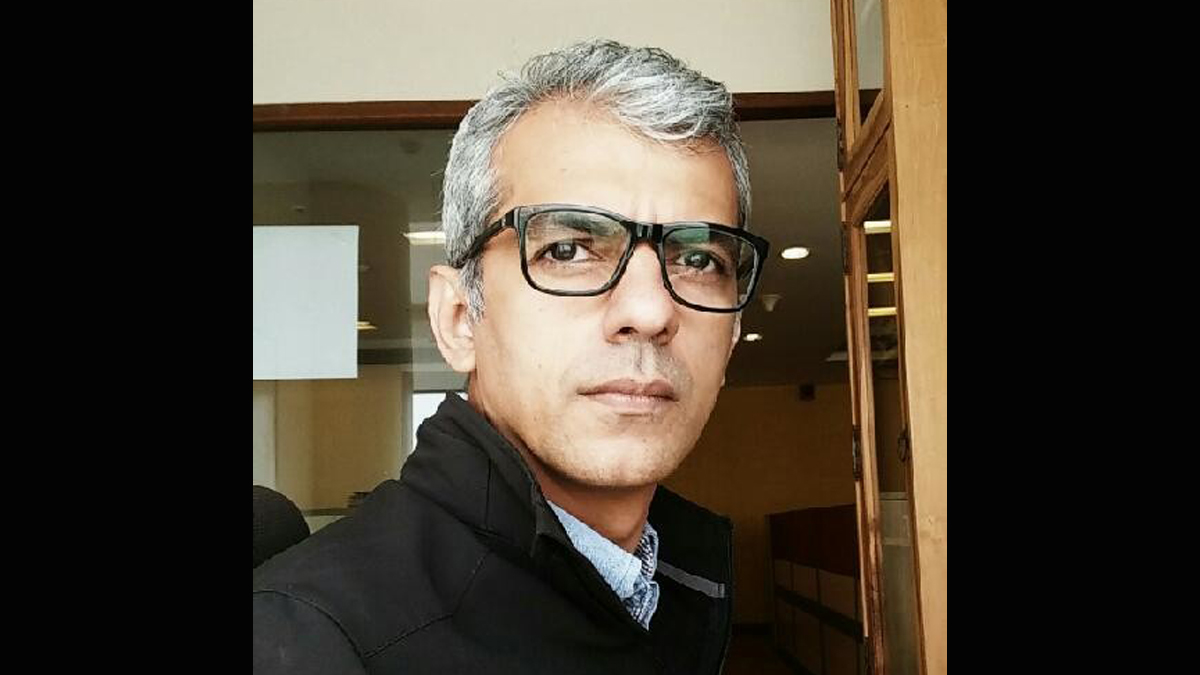
MUMBAI: After more than two decades at one address, Prakash Nair has left the building. The president and head of office, north at Ogilvy has moved on from the agency, according to highly placed industry sources. His next move remains unknown. Ogilvy did not respond to requests for comment.
Nair spent over 23 years at the agency, making him one of its longest-serving senior figures. He was elevated to lead the Gurugram office in April 2022, a role that put him at the helm of Ogilvy’s northern operations at a time of considerable churn across the advertising industry.
Before taking charge in the capital, Nair served as associate president at Ogilvy Mumbai, where he worked on some of the agency’s most prized accounts, including Mondelez, Tata Motors, and BP Castrol. Over the years, he built a reputation for driving modern, integrated, and award-winning work, the kind that wins metals at Cannes and keeps clients from straying.
His departure was marked in style. A farewell gathering was held in Delhi, attended by senior figures from across the advertising fraternity, a signal of the regard in which Nair is held in an industry that does not always pause to say goodbye properly.
Where he goes next is the question the industry is now asking. After 23 years at one of the world’s most storied agencies, the answer, when it comes, will be worth watching.