iWorld
ZEE5 takes lead in global digital entertainment with diverse and innovative narratives

Mumbai: In an ever-evolving landscape of digital entertainment, streaming platforms like ZEE5 are at the forefront of delivering diverse and innovative narratives to a global audience.
ZEE5, a subscription-based video-on-demand and over-the-top streaming service, is operated by Zee Entertainment Enterprises, an Indian media conglomerate. Launched on 14 February 2018, in India, the platform offers content in multiple languages. The ZEE5 mobile application is accessible across various platforms including Web, Android, iOS, and Smart TVs. As of December 2019, ZEE5 reported 56 million monthly active users.
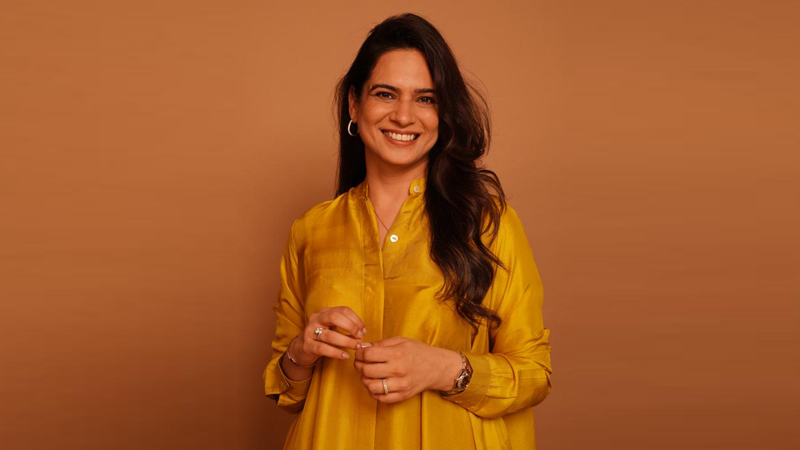
Indiantelevision caught up with ZEE5 chief content officer – Hindi Originals Nimisha Pandey provided insights into the platform’s strategic approach, long-term planning for series, collaborations with content creators, and the nuanced process of creating content that resonates authentically with global audiences while respecting cultural nuances. The platform’s commitment to understanding evolving viewer preferences, fostering creative collaborations, and staying true to the essence of diverse stories positions ZEE5 as a dynamic force shaping the future of digital entertainment on a global scale.
On ZEE5 navigating the delicate balance between meeting existing viewer expectations and introducing fresh, innovative narratives that might challenge the status quo
With streaming platforms expanding their reach globally, there is an increased demand for content that reflects diverse cultures and perspectives. Also important to note is that OTT consumption patterns have undergone a paradigm shift. When we started off, it was largely led by individual viewing on a personal device but there has been a sharp uptick in C-TV viewing leading to the introduction of new narratives and themes that are better suited to co-viewing as a family unit. Moreover, the need for targeting specific demographics and age groups with content customized to suit their diverse palates has led us to invest significantly in originals and experiment with stories that have never been attempted before. Our content portfolio is truly reflective of this diversity. Ranging from inspiring narratives of ordinary turning extraordinary such as ‘Saas Bahu aur Achaar Pvt Ltd’ and Janbaaz, to escape-worthy historicals like Taj to a spy thriller such as ‘Mukhbir’ or the cult favourites with a strong millennial connect such as Tripling, Pitchers, Humorously Yours and Aam Aadmi Family, we want to make sure that every show reaches its right audience. Today, we are proud of a rich roster of franchise properties that the audience eagerly awaits the next season of – ‘Sunflower’, ‘Broken News’, ‘Mithya’ and ‘Rangbaaz’, ‘Mukhbir’. We believe in challenging the status quo with every story we choose to tell!
On ZEE5’s long-term planning approach for series
At ZEE5, we invest considerable time and resources towards understanding our evolving viewer, their preferences and tastes through an entire gamut of fieldwork by our brand and research teams in the space of deep dialoguing, video usage and attitude studies, digging into content trends basis social and digital consumption, deep-diving into a specific market or a consumer segment.
Moreover, we are navigating times where the audience has begun to prefer staying ‘work in progress’ as opposed to a unidimensional identity in life – meaning that the viewer is increasingly becoming self-aware and wants different content to dial into different dimensions of their personality each day. So, on one day the same viewer switches on a breezy rom-com on another day, she is looking for a gripping, intense narrative laced with dark humour. The viewer today refuses to be put in a box!
All of this combined with the creative vision that we collectively share with some of the most talented and passionate content creators in the space informs our content strategy. From immersive dramas to light-hearted comedies to dark thrillers, adaptations of popular global content franchises, from rom-coms and catch-up TV content to blockbuster movies, the idea is to make ZEE5 an all-inclusive platform which has something to offer for every entertainment need. For an OTT platform, the trust and faith of the viewers are among the key pillars to achieve long-term growth. Consistent delivery of rich content pieces drives a strong sense of relatability and belief in the platform among viewers. We aim to continue pushing creative boundaries and producing ground-breaking content for our audiences globally.
On ZEE5’s approach to collaborations and partnerships with other content creators or platforms to bring fresh perspectives and innovative content to its audience
At ZEE5, our ‘content and creator-first approach’ has revolutionized the way we curate content. We believe in the power of identifying and collaborating with the finest, creative minds and talent in the fraternity. While we are governed like any other player by business goals, we believe it is equally important to respect the creative vision of our content partners. This healthy creative approach has led us to empower diverse voices and foster innovation in our content offerings. We want to enable them to do their best work with us. Needless to say, it has played a huge role in attracting the right kind of collaborations with content powerhouses be it Guneet (Monga), Umesh (Bist) and Dharma for Gyaarah Gyaarah, BBC and Vinay Waikul for Broken News, Goldie Behl, Charudutt (Acharya) and Rohan (Sippy) for Duranga, Shivam Nair and Victor Tango for Mukhbir, Srijit Mukherjee and Juggernaut (Productions) for Jaanbaaz, Ron (Scalpello), Abhimanyu (Singh) and Vibhu (Puri) for Taj, Vikas Bahl for Sunflower, Apurva Singh Karki for Banda and Saas Bahu Achaar Pvt Ltd or the content powerhouses like Applause Entertainment, The Viral Fever (TVF). Each of these partnerships has yielded iconic stories as well as built existing IPs which have received phenomenal responses from our viewers across India and beyond. We’re equally proud of the diverse on-screen talent that has made ZEE5 their home – from Sunil Grover to Jaideep Ahlawat, from Sonali Bendre to Amruta Subhash, Huma Qureshi to Gulshan Devaiah, Vineet Singh to Regina Cassandra, Manoj Bajpayee to Shriya Pilgaonkar, Nawazuddin Siddiqui to Pankaj Tripathi. They have built a deep connection with our viewers in the last few years and played a crucial role in the turn-around of the platform.
On the platform approaching content creation to ensure that stories resonate authentically with global audiences while respecting cultural nuances
We recognize the importance of striking a balance between hyperlocal worlds and human emotions that have universal appeal. We believe in staying true to the soul of a story and not retro-fitting narratives to make the content travel. Collaborating with creators who are in touch with the ground realities and the social fabric of the story plays a key role in telling global stories. As we’ve expanded our international footprint and market share, we’ve proudly taken on the role of a cultural ambassador for the Indian subcontinent. Becoming the No.1 South Asian platform in key international markets such as the US, UAE, Australia, and Canada, and securing a significant position in the UK, reflects our dedication to entertaining diverse audiences worldwide. This is a testament to the fact that it is the authentic local stories that travel globally.