MAM
FMCG, e-commerce, telecom & auto to boost Indian AdEx by 15.5% in 2016: GroupM


MUMBAI: India’s advertising investment is predicted to reach an estimated Rs 57,486 crore in 2016, which is a growth of 15.5 per cent for the calendar year 2016 over the corresponding period in 2015, according to GroupM’s bi-annual advertising expenditure futures report This Year Next Year (TYNY).
The last calendar year closed on a promising note, with the advertising expenditure in India closing at Rs 49,758 crore, growth of over 14.2 per cent over 2014.
The growth will come from the FMCG sector as it continues to remain the most dominant sector with a 28 per cent share of the AdEx. Despite facing volume pressure, the sector is expected to continue ad investment aided by the softening of commodity prices.

In 2016, e-commerce ad spends are expected to be high on the back of increasing competition, market expansion and newer players entering the space. Many leading traditional retailers will be expanding their e-commerce presence in 2016 even as consolidation continues in the sector. Another exciting development is the opening up of e-commerce as a platform for advertising, which will see further traction in 2016.
What’s more, with the advent of 4G services in India, telecom service providers are expected to roll out extensive marketing campaigns across media. This roll out will also see global and domestic handset manufacturers launching new models of 4G/ LTE handsets. Another big contributor to the Indian AdEx this year will be the Auto sector, on the back of multiple launches across both four-wheelers and two-wheelers.

GroupM South Asia CEO CVL Srinivas said, “India is the fastest growing ad market among all the major markets of the world. 2015 was the best year for ad spend growth we’ve had in the last five years. While global headwinds are building up in the new year, there are a number of positive factors that will help the Indian ad sector grow at higher levels in 2016. The GroupM TYNY report released today highlights these factors. While FMCG, Auto and e-commerce, which have been the top sectors contributing to ad growth in 2015 will continue to invest, Telecom, BFSI and the Government sector will see a ramp up. Events like the T20 World Cup, IPL and many state assembly elections will give a further impetus to ad spends. While digital will remain the fastest growing platform, India is one of the few large markets where all traditional media platforms will show positive growth.”
GroupM South Asia chief growth officer Lakshmi Narashimhan added, “With significant number of users accessing internet primarily from a mobile device, ad-spend on mobile will become as large as the digital AdEx from two years ago. With digital media achieving audience reach numbers that are next only to television, multi-screen planning is the order of the day. We have seen focused targeting of digital and native advertising with programmatic buying over the last two years, and this momentum will continue in 2016, as automation increases.”
GroupM estimates the Digital AdEx to grow by 47.5 per cent in 2016 to Rs 7,300 crore from the earlier Rs 4,950 crore. A significant part of this growth is on the back of higher investments in cross-screen campaigns. The digital AdEx is estimated to take a 12.7 per cent share of the total AdEx in 2016. However TV still leads the pack with 47.1 percent contribution to the total AdEx, which is a growth from 46.3 per cent in 2015. On the otherhand print advertising will see a slight decline in AdEx from 32.4 per cent share of the total pie in 2015 to 29.7 percent in 2016.
2016 will see Video on Demand (VOD) services gaining popularity in India. The Asia Pacific region is expected to overtake Western Europe as the second largest market for VOD services by 2020, fuelled by rapid growth of smart phones in China and India. With the recent Netflix service launch in India, several domestic and international players will actively market their VOD services and acquire customers in the next 12 to 24 months.
2016 is estimated to be a better year for newspapers than 2015. The increase in ad spends expected from print heavy sectors like Auto, BFSI and the Government sector augurs well for newspapers. Regional advertising of Telco and FMCG brands will benefit language dailies. While print as a medium is facing a lot of pressure from digital there is still headroom for growth in certain pockets and amongst certain audience clusters.
While Radio is expected to grow at a little over 10 per cent, there is scope for the medium to pick up towards end 2016 when most of the new stations (set up after Phase III licenses, round I were issued) are fully operational. Digital audio platforms are gaining in popularity, opening up a new format for radio.
There has been an upswing in Cinema Advertising in the last few years, which will continue in 2016 with an estimated 25 per cent growth in ad spends. Recent acquisitions by larger multiplex chains will help create a far richer viewing experience for consumers, giving brands another avenue to capture their target audience. The medium can expect more brands to come on board with longer term deals if they invest in measurement and build more accountability. At present Cinema advertising is less than one per cent of the total ad spend.






MAM
Talking heads: TV9’s chief takes the host’s chair with style — but could do with a laugh
Barun Das has swapped the boardroom for the studio and is pulling off a polished interview show — mostly
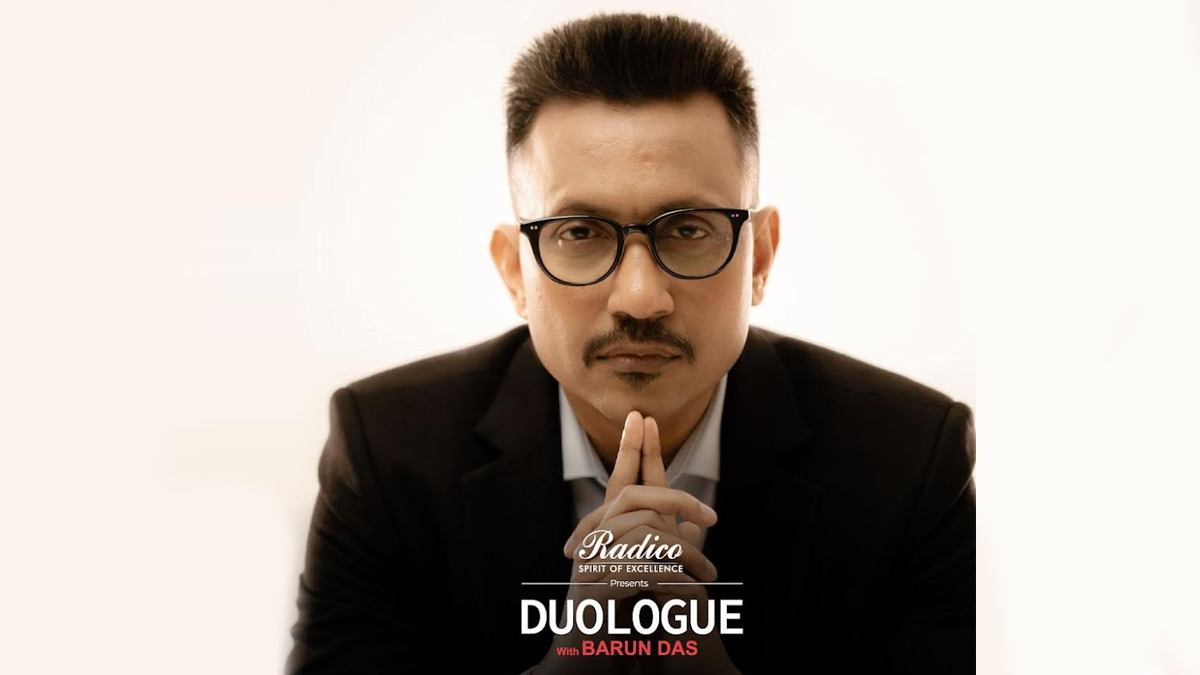
MUMBAI: There is something quietly audacious about a media chief who decides that running a television empire is not quite enough and plants himself in front of the camera for a good chinwag with the great and the good. Barun Das, chief executive of TV9 Network, has done precisely that, and for the most part, he carries it off with considerable aplomb.
Duologue with Barun Das, now in its fourth season on JioHotstar, is exactly what it says on the tin: two people, two chairs, no frills. In the earlier seasons, Das has sat across from a rather stellar roster, Sri Sri Ravi Shankar, Aparna Sen, Viswanathan Anand, Kiran Rao, among many other renowned names. And in the fourth instalment he has had guests of the likes of Aamir Khan, Sourav Ganguly, Bianca Balti (Italian super model and cancer survivor), Lothar Matthäus (German football World Cup-winning captain). Throughout, he has coaxed from them nuggets that their publicists would probably rather keep under wraps. Cricket, relationships, spirituality, acting, health, behind-the-scenes machinations that plague politics, intellect, nepotism, nothing is entirely off the table.
Das’s greatest asset is his manner. Unhurried, well-dressed and disarmingly calm, he has the rare gift of making his guests feel so thoroughly at ease that they occasionally forget they are being filmed for television. The questions arrive softly, like a spinner tossing up a googly rather than a fast bowler hurling bouncers, and more often than not, they draw out a telling answer. He has no cue cards or teleprompter to help him along, which is probably a rarity for a host. Some credit must go to the research team operating quietly in the wings, who evidently do their homework so that Das does not have to fumble for his.
Where Duologue stumbles, however, is in its almost determined refusal to lighten up. Each 45-minute episode carries the solemn weight of a budget speech. A dash of wit, a moment of mischief, the odd belly laugh, none of it makes an appearance. Serious conversation has its place, but even the most earnest of interviewers, think David Frost at his best, knew when to let the air out of the room.
Das has built something worth watching. He simply needs to remind himself, and his guests, that a smile never hurt anyone.
Rating: 4.25 out of 5.
Available on JioHotstar.