Connect with us

Television

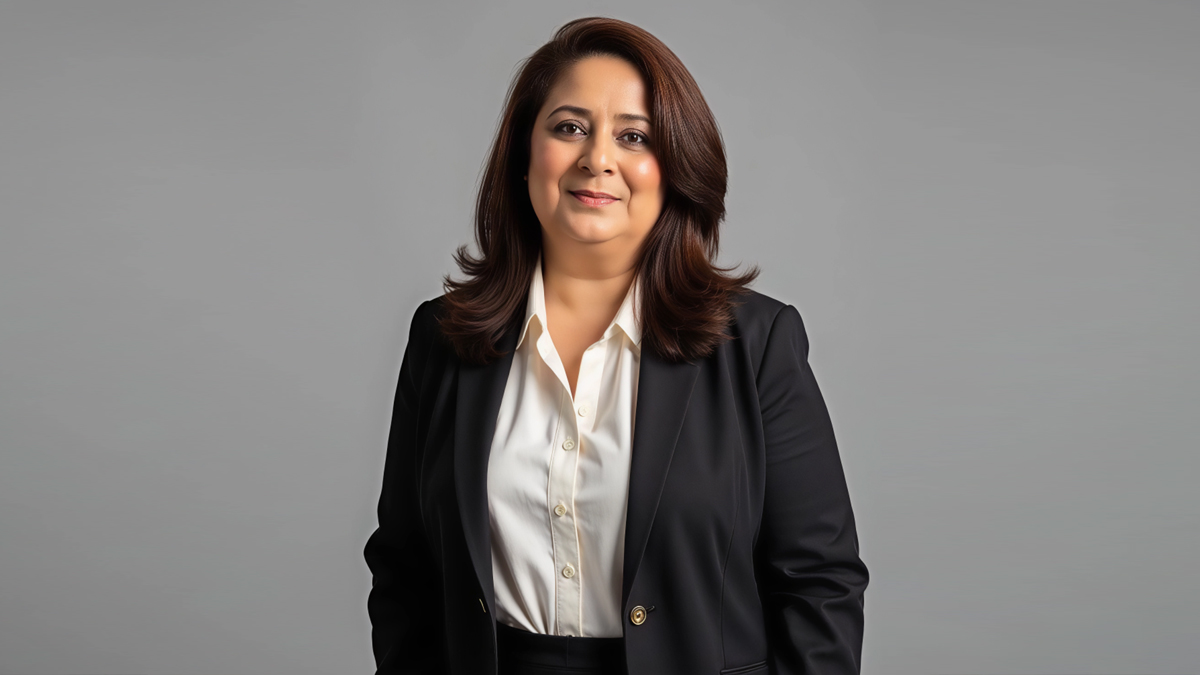
SPNI’s CHRO Manu Wadhwa transitions to strategy advisor role

After seven years reshaping the broadcaster’s people agenda, Manu Wadhwa steps back from the front line


Published

on

MUMBAI: Sony Pictures Networks India (SPNI) is shifting its chief human resources officer, Manu Wadhwa, into a strategy advisor role from 1st July 2026, as the broadcaster begins hunting for her replacement.

Wadhwa has spent seven years at SPNI, a period that was anything but quiet. She steered the company’s people function through leadership transitions, structural overhauls and a broader push to make the organisation leaner and more performance-driven. Her work touched everything from aligning HR more tightly with business strategy, to modernising how the company assesses and rewards talent, to embedding a culture that holds inclusion and performance in the same hand.

She arrives at this new chapter with a CV that spans some of the world’s most demanding corporate environments, having held senior leadership roles at GE, American Express and Coca-Cola. That global grounding, SPNI says, helped shape the broadcaster into a more agile operation.

Advertisement

In her advisory capacity, Wadhwa will work alongside the leadership team on strategic priorities, drawing on her institutional knowledge of an organisation that reaches over 700 million viewers in India across 28 channels, and is available in more than 150 countries.

Gaurav Banerjee, managing director and chief executive of SPNI, was measured but warm in his assessment. “Manu has been an integral part of SPNI’s evolution over the past several years, helping strengthen both our organisational framework and culture,” he said. “As we move into the next phase of our journey, her experience and perspective will continue to be valuable in her role as strategy advisor.”

Wadhwa, for her part, struck a reflective note. “SPNI has been an incredibly meaningful part of my journey over the past several years, and I am grateful for the opportunity to have contributed to its evolution during a period of significant change,” she said. “As I transition into this new role, I look forward to continuing to work closely with the leadership team on strategic priorities and supporting the organisation’s next phase of growth.”

Advertisement

SPNI says the search for a new chief human resources officer is now under way, with further details to follow. Whoever steps into Wadhwa’s shoes will inherit a function she spent seven years rebuilding from the inside out. That is a tough act to follow.

Click to comment

Leave a Reply

Your email address will not be published. Required fields are marked *

Television

JioStar and Sun Direct take pay TV on the road to woo India’s heartland viewers

The two companies have completed a sprawling outreach campaign across Uttar Pradesh and Madhya Pradesh, targeting households still stuck on free-to-air television

Published

on

MUMBAI: A branded van, 180-plus tehsils, more than 10,000 kilometres of road, and one simple pitch: pay television is worth it. JioStar and Sun Direct have wrapped up a large-scale on-ground consumer outreach campaign across Uttar Pradesh and Madhya Pradesh, in one of the more ambitious attempts by India’s pay TV industry to drag free-to-air households into a subscription.

The campaign was built on a straightforward insight: if you show people better content on a television screen, they are considerably more likely to pay for it. A Sun Direct-branded van equipped with a live television setup travelled across both states, parking itself in towns and villages and inviting consumers to walk in, watch, and sign up on the spot. On-the-spot subscription offers were available, making the leap from curiosity to conversion as frictionless as possible.

At the heart of the offering was a specially curated Sun Direct pay TV pack designed around the viewing preferences of consumers in these regions, bundling entertainment, films, sports, news and regional channels into a single, value-driven package. Beyond the van, the campaign fanned out further through radio activations in local languages and hyper-local wall paintings across villages and towns, keeping the message alive long after the vehicle had moved on.

Advertisement

A JioStar spokesperson said the ambition extended well beyond awareness. “Our ambition goes beyond awareness; it is about enabling households to discover, first-hand, the richness of content that Pay TV offers and making that transition as seamless and rewarding as possible,” the spokesperson said, adding that partnerships built on a “shared commitment to consumer centricity, like the one we have with Sun Direct, are central to how we continue to demonstrate the value of Pay TV across India.”

Sun Direct’s response was equally bullish. A spokesperson for the DTH platform said the campaign had been “extremely well received across markets, with strong consumer engagement and encouraging conversions,” adding that it had “clearly demonstrated the potential of taking Pay TV directly to FTA households and allowing them to experience the difference first-hand.”

The exercise is a telling reflection of where India’s television market stands. Linear television reaches more than 750 million viewers every week through JioStar’s network and streaming service alone, yet large swathes of the country remain anchored to free-to-air services, untouched by the subscription economy that pays the industry’s bills.

Advertisement

Converting even a fraction of those households is the prize. JioStar and Sun Direct have shown they are willing to drive a very long way to get it.

Continue Reading

Advertisement News18
Advertisement
Advertisement
Advertisement
Advertisement Whtasapp
Advertisement Year Enders

Indian Television Dot Com Pvt Ltd

Signup for news and special offers!

Copyright © 2026 Indian Television Dot Com PVT LTD