Sports
JioStar blocks 420 piracy sites during T20 World Cup
26.11 million downloads hit as Delhi HC order fuels global crackdown
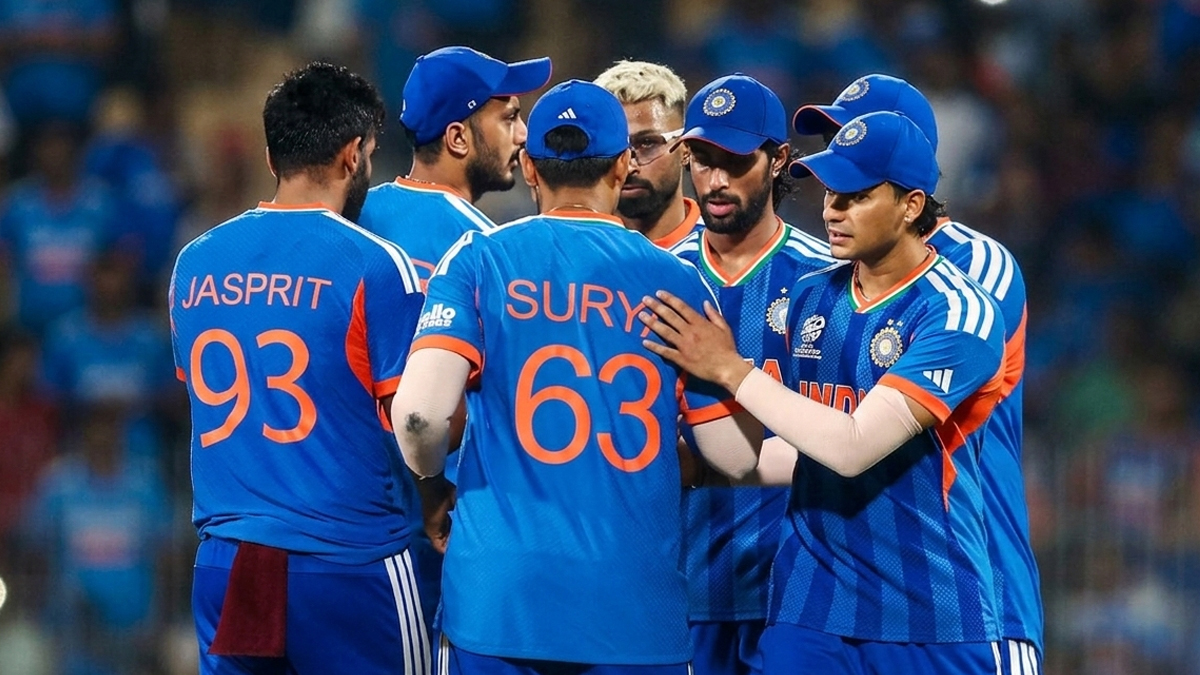
MUMBAI: As the ICC Men’s T20 Cricket World Cup gathers pace, JioStar has tightened the screws on digital piracy, launching a sweeping crackdown on rogue apps and websites illegally streaming its premium cricket coverage.
In recent weeks, the broadcaster has moved against a clutch of illicit IPTV applications accused of siphoning off live World Cup feeds without a licence. Among those removed from the Google Play Store were XCIPTV, Televizo, IPTV Smarters Pro, VU IPTV Player and XTV Ultra IPTV Media Player. In total, 36 infringing applications across Android and iOS ecosystems were taken down, together accounting for more than 26.11m global downloads.
The app-store purge builds on earlier criminal enforcement actions targeting organised piracy networks. Last year, JioStar said it helped dismantle a large-scale IPTV operation serving millions of users worldwide.
Acting under a dynamic injunction granted by the Delhi High Court, JioStar has suspended 141 piracy websites globally during the tournament, disrupting an estimated 12.2 million instances of infringing traffic. A further 279 websites carrying unauthorised streams, with more than 2m in combined traffic, have been blocked at the ISP level under the same order.
Beyond domain suspensions and app removals, the company’s anti-piracy team acted in real time against 15 additional third-party applications, denting an estimated 11.5 million piracy-driven traffic instances. The strategy is blunt: choke off illegal supply and funnel viewers back to JioStar’s official platforms, including JioHotstar.
With live sport remaining the last bastion of appointment viewing, broadcasters are under mounting pressure to defend broadcast reproduction rights. JioStar’s multi-pronged offensive, spanning courts, code and coordinated takedowns, underscores the high stakes of cricket’s most lucrative tournament.

Sports
IPL 2026 ad race sees digital-first categories dominate CTV
E-commerce leads CTV with 35 per cent share; Google tops linear TV
MUMBAI: In the IPL’s biggest face-off yet, it’s not just bat versus ball, it’s screen versus screen. And in IPL 2026, connected TV seems to be playing a very different game from traditional television. Fresh data from TAM Sports shows that advertising trends across Linear TV and CTV diverged sharply during the first 22 matches of the tournament, underlining how brands are splitting strategies across platforms.
On CTV, digital-first categories clearly stole the spotlight. E-commerce media, entertainment and social media alone accounted for a commanding 35 per cent share of ad volumes, followed by e-commerce services at 12 per cent. Smartphones (8 per cent), cars (7 per cent) and air conditioners (5 per cent) rounded off the top five, signalling a strong tilt towards tech-savvy, urban audiences.
Linear TV, however, told a more traditional story. Mouth fresheners led with a 14 per cent share, followed by e-commerce services at 12 per cent. Categories such as e-wallets, financial institutions and paints each held a 6 per cent share, reflecting mass-market consumption patterns that continue to anchor broadcast television.
The advertiser mix further highlights this split. On CTV, Star India (JioHotstar) dominated with a hefty 35 per cent share, followed by Google at 20 per cent. Havells India and Renault India each accounted for 4 per cent, while Reliance Consumer Products stood at 3 per cent.
On Linear TV, Google emerged as the top advertiser with a 13 per cent share, followed by Reliance Consumer Products at 9 per cent. Vishnu Packaging and Havells India held 6 per cent each, with K P Pan Foods at 5 per cent.
Despite these differences, there was notable overlap. More than 25 categories and over 20 advertisers were common across both platforms during the 22-match period. E-commerce, mouth fresheners, cars and paints featured prominently across screens, while brands like Star India (JioHotstar), Google and Reliance Consumer Products maintained strong cross-platform presence.
Yet, exclusivity is where the divergence becomes sharper. CTV saw over 15 exclusive categories and more than 25 exclusive advertisers, including smartphones, astrologers and fast food outlets. Linear TV mirrored this with over 15 exclusive categories and 20-plus advertisers, led by chocolates, jewellery and personal care.
The broader takeaway is clear. IPL advertising is no longer a one-screen strategy. CTV is fast emerging as a playground for digital-native, high-engagement categories, while Linear TV continues to deliver scale for traditional mass brands.
As the tournament progresses, one thing is evident: in the advertising IPL, it’s not just about where the eyeballs are, it’s about which screen they’re on.