Brands
Royal Enfield and UNESCO bring Himalayan heritage to screens nationwide
Four-part series explores Himachal’s living traditions through riders and storytellers


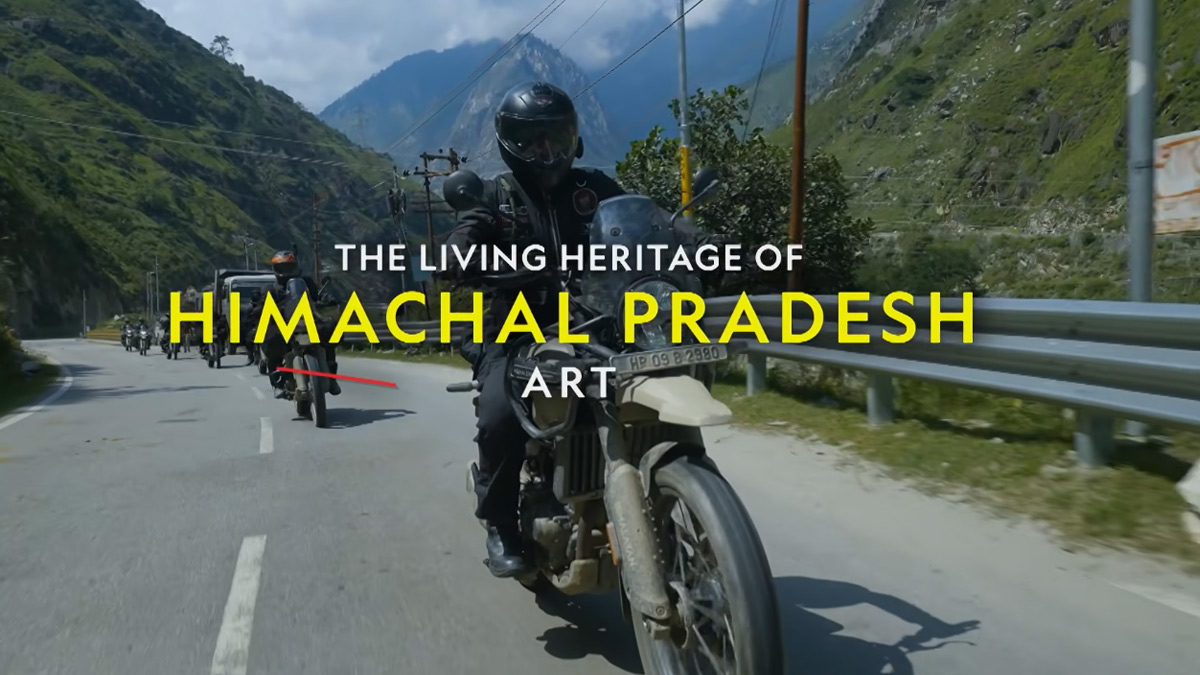
NEW DELHI: Heritage is hitting the road once again. Royal Enfield and UNESCO have brought back The Great Himalayan Exploration, a documentary series that swaps tourist trails for cultural tales, shining a spotlight on the living heritage of Himachal Pradesh.
The fourth edition of the expedition-led project has premiered on National Geographic India and is streaming on JioHotstar every Sunday at 8pm. Spread across four episodes, the series follows 20 rider-researchers as they travel through Chamba, Kangra, Kinnaur, Kullu, Mandi and Spiti, documenting traditions, art forms, architecture and community practices that continue to shape life in the Himalayan region.
Selected from more than 550 applicants, the participants are joined by well-known names including Gresham Fernandes, Rahul Bhushan and Suket Dhir, along with creators Candida Louis, Maral Yazarloo Pattrick and Marc Engel. Together, they immerse themselves in local communities to document cultural practices that are often overlooked by mainstream audiences.
The series is part of a wider partnership between Royal Enfield and UNESCO aimed at identifying and documenting India’s Intangible Cultural Heritage (ICH). Since its launch in 2022, the initiative has been working across the Eastern, Western and North Eastern Himalayas with the goal of documenting 200 heritage practices.
“Safeguarding living heritage is a shared responsibility that belongs in spaces beyond academic research. We want to bring new voices into the fold, and our collaboration with National Geographic India is key to making these stories accessible to a broader audience,” said Eicher Group Foundation executive director Bidisha Dey.
She noted that the initiative has already documented more than 100 intangible cultural heritage practices across the Himalayan region and hopes the latest season will encourage travellers to engage more deeply with local communities and traditions.
The documentary showcases a rich tapestry of Himachal Pradesh’s cultural identity. Viewers are taken inside centuries-old Kathkuni architecture, known for its earthquake-resistant design, and introduced to treasured art forms such as Chamba Rumaal embroidery, Kangra paintings and the ceremonial Chamba Thaal.
Traditional dance forms including Haran and Nati also feature prominently, alongside cultural symbols such as the Himachali Topi, Spiti jewellery, the sacred Sanchok ceremony and the community feast known as Mandiyali Dham. The series also explores the role of the rare Chamurthi horse in shaping the social and economic life of Spiti’s high-altitude valleys.
One of the highlights is the coverage of Kullu Dussehra, where an entire valley comes together in a vibrant expression of faith, community and tradition.
“Intangible cultural heritage is the living fabric of communities. It shapes identity, strengthens social cohesion, and carries within it the accumulated wisdom of generations,” said UNESCO Regional Office for South Asia director and representative Tim Curtis.
He added that the project stands out because it brings riders and local communities together in a shared process of discovery, helping preserve traditions while fostering pride among the people who keep them alive.
According to UNESCO, intangible cultural heritage includes oral traditions, performing arts, social practices, rituals, festive events, traditional craftsmanship and knowledge systems passed down through generations. Unlike monuments or historical sites, these living traditions survive only when communities continue to practise and share them.
As cultural tourism gains momentum and travellers seek more meaningful experiences, The Great Himalayan Exploration offers a reminder that some of the Himalayas’ greatest treasures are not found in landscapes alone, but in the stories, skills and traditions that continue to thrive among the people who call the mountains home.