
Sports
IPL may shift to September–October window, says Arun Dhumal


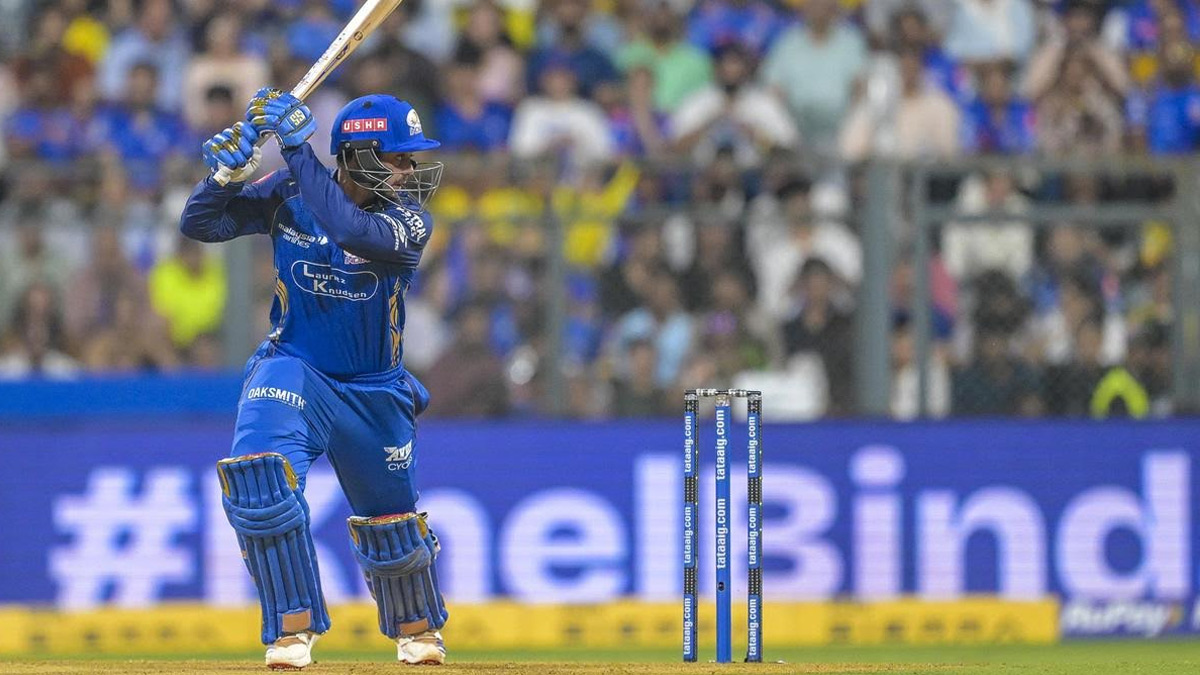
MUMBAI: The IPL may soon swap scorching summers for festive fireworks. Indian Premier League chairman Arun Dhumal has indicated that the Board of Control for Cricket in India (BCCI) could consider shifting the tournament from its traditional March–May slot to a September–October window, as concerns around extreme summer heat, player fatigue and future scheduling pressures continue to grow. Speaking to Sportstar, Dhumal said there was no immediate plan to alter the current calendar, but admitted that future expansion of the league could eventually force a rethink.
For nearly two decades, the IPL has unfolded like clockwork during India’s summer months, turning evenings into a blur of sixes, strategic timeouts and air-conditioner battles. But with temperatures climbing and the IPL Governing Council exploring the possibility of increasing the number of matches from 2028 onwards, the tournament’s timing is once again under the scanner.
Dhumal said one option being examined was a September–October schedule, which could also align neatly with India’s festive advertising season leading up to Diwali traditionally one of the biggest spending periods for brands and broadcasters.
In cricketing terms, that could mean replacing heatwaves with festive-season fireworks, both on and off the field.
However, Dhumal stressed that any potential shift would require detailed discussions with broadcasters, especially with future media rights cycles likely to shape long-term scheduling decisions.
“There is no immediate requirement to shift the window,” he indicated, while adding that the matter could be revisited depending on commercial and operational considerations in the years ahead.
The scheduling conversation also reflects the IPL’s growing scale and complexity. The tournament currently features 74 matches involving 10 franchises over a packed two-month calendar, while simultaneously competing with an increasingly crowded global T20 ecosystem.
International player availability has already become a balancing act, with overlapping domestic leagues and workload management concerns beginning to influence participation across cricket boards.
A longer or differently timed IPL could potentially reshape not just India’s cricket calendar, but the global T20 landscape itself.
For now, the idea remains exploratory rather than final. But even the possibility of moving the IPL away from its long-established summer perch signals how rapidly the business, logistics and demands of modern cricket are evolving.
Because in the IPL economy, even the calendar may soon need a strategic timeout.






