Sports
IPL fan engagement shifts from viewing to interactive ecosystems
Fantasy, gamification and data-led journeys drive deeper fan participation.

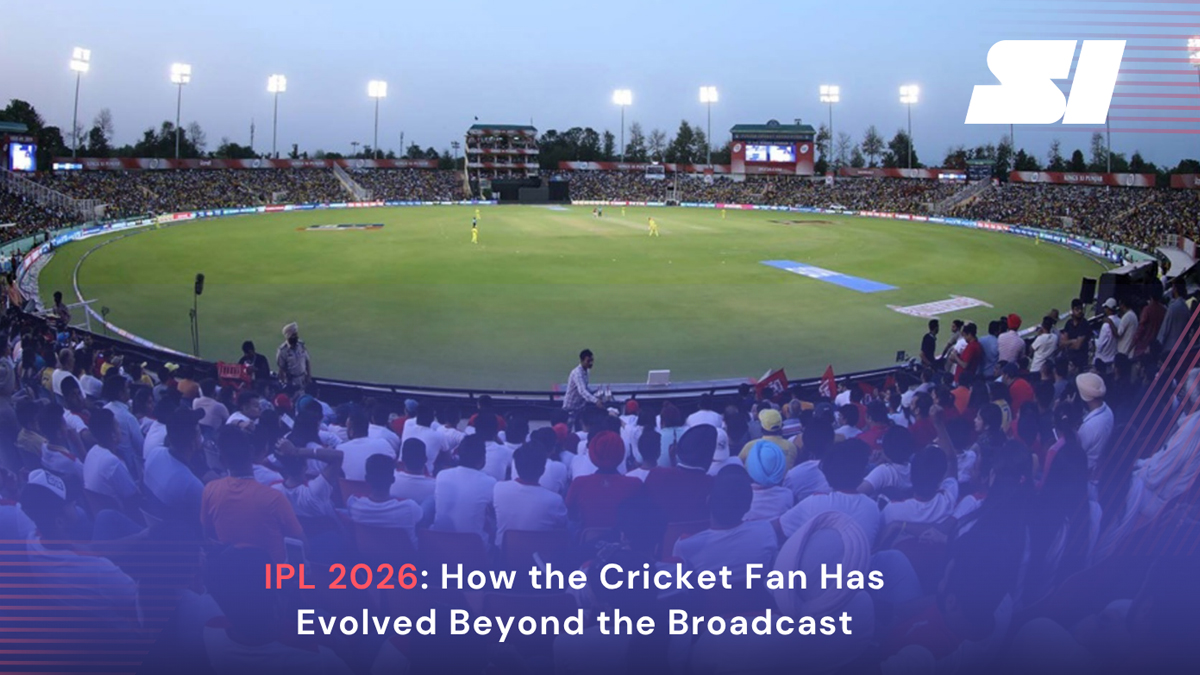
MUMBAI: The IPL is no longer just watched, it is played, predicted, personalised and, increasingly, lived. As the Indian Premier League gears up for another season, the biggest shift isn’t on the pitch but in the palms of fans, where second screens and interactive platforms are quietly rewriting the rules of fandom. What was once a match-day ritual has evolved into a year-round digital habit. Today’s IPL fan doesn’t just tune in, they build fantasy teams, join private leagues, deploy in-match boosters and jump into predictive games, all while consuming highlights within minutes of key moments. In a recent season alone, more than 400,000 fantasy users created over 75,000 leagues and used upwards of 200,000 gameplay boosters, signalling not just scale but a fundamental behavioural shift.
This transformation is also visible in how long fans stick around. One franchise recorded a 5.7x jump in average engagement time after building a mobile-first ecosystem, alongside capturing over 2 million first-party fan profiles and achieving 64 per cent in-season retention. Over three years, this digital pivot translated into a 40 per cent increase in enterprise value, proof that engagement is no longer episodic, but habitual.
As SI (formerly Sportz Interactive) SVP India Chintan Shah notes, the IPL is no longer defined by the peaks of live matches but by a connected ecosystem where engagement builds steadily across content, interaction and participation. That shift is evident across franchises, with another team logging a 4.6x rise in engagement time and a 2.4x increase in app screen views, alongside more than 500,000 app downloads.

Video remains a powerful entry point, with franchise platforms collectively delivering over 2 billion video views around match content. But the real stickiness lies beyond the scroll. Interactive layers fantasy, gaming, loyalty mechanics are what turn fleeting attention into sustained behaviour.
Loyalty programmes, in particular, are proving to be high-conversion engines. One franchise drove over 400,000 app downloads through integrated loyalty frameworks, while in-app campaigns during peak match windows recorded response rates between 50 and 65 per cent. These are not passive viewers; they are participants, responding in real time to contextual, reward-driven experiences.
Underpinning this shift is a strategic move towards owned fan ecosystems. While social media continues to deliver reach, franchises are investing in unified logins, CRM-led journeys and personalised engagement frameworks to build direct relationships. The focus is shifting from visibility to intelligence understanding not just who is watching, but how, when and why they engage.
IPL 2026, then, is more than the start of another cricketing season. It marks the coming of age of India’s sports digital economy, where fandom is no longer measured in eyeballs alone but in clicks, taps, predictions and play. The scoreboard hasn’t changed but the way fans keep score certainly has.




Sports
Kaacon Sethi retires as CMO of Dainik Bhaskar Group after 12 years
Led brand, content and revenue innovation across media, sports and entertainment.
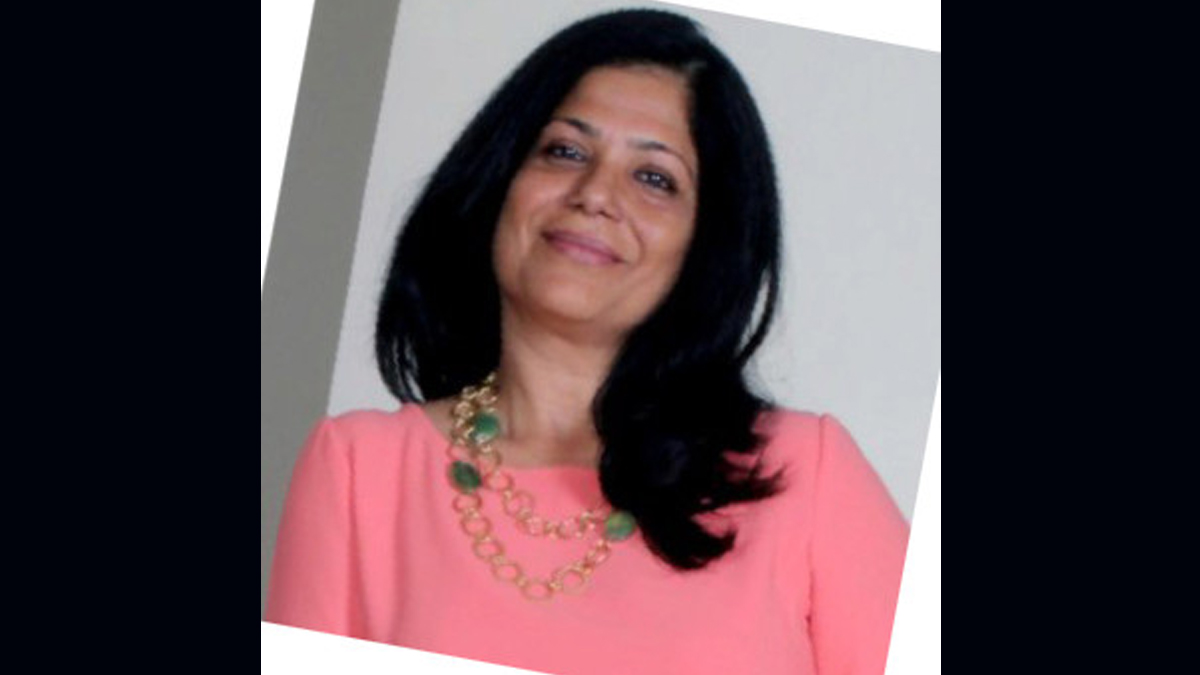
MUMBAI: After nearly a dozen years of shaping narratives and building brands, Kaacon Sethi is signing off from the marketing playbook at least for now. The long-time chief marketing officer at Dainik Bhaskar Group has stepped down, bringing to a close a 12-year stint that saw her steer the organisation through evolving media and revenue landscapes.
During her tenure, Sethi worked at the intersection of advertising, content and commerce collaborating closely with advertisers to craft client solutions and develop content-led offerings that went beyond traditional formats. Her role increasingly focused on aligning editorial strengths with brand objectives, unlocking new revenue streams in a media ecosystem undergoing rapid transformation.
Her journey at Bhaskar, she noted, was among the most defining phases of her career, one that allowed her to build, experiment and contribute across marketing, branded content and business strategy. From strengthening market presence to driving newer initiatives such as “Urban Bharat”, her work reflected a broader shift in how media organisations approach audience engagement and monetisation.
Sethi also highlighted the collaborative environment within the organisation, describing it as a space where ideas were tested, debated and pursued with conviction, an approach that helped shape several of the group’s marketing and content innovations over the years.
With experience spanning media, entertainment and sports marketing, her exit marks the end of a significant chapter not just for her but also for the organisation’s evolving marketing strategy.
For now, Sethi plans to take a short break before moving on to the next phase of her career. If the past 12 years are any indication, the pause may be brief but the impact is likely to linger longer.






