Sports
IPL 2026 sees fans shift from viewers to active digital participants
From fantasy leagues to real-time play, engagement now goes beyond the match


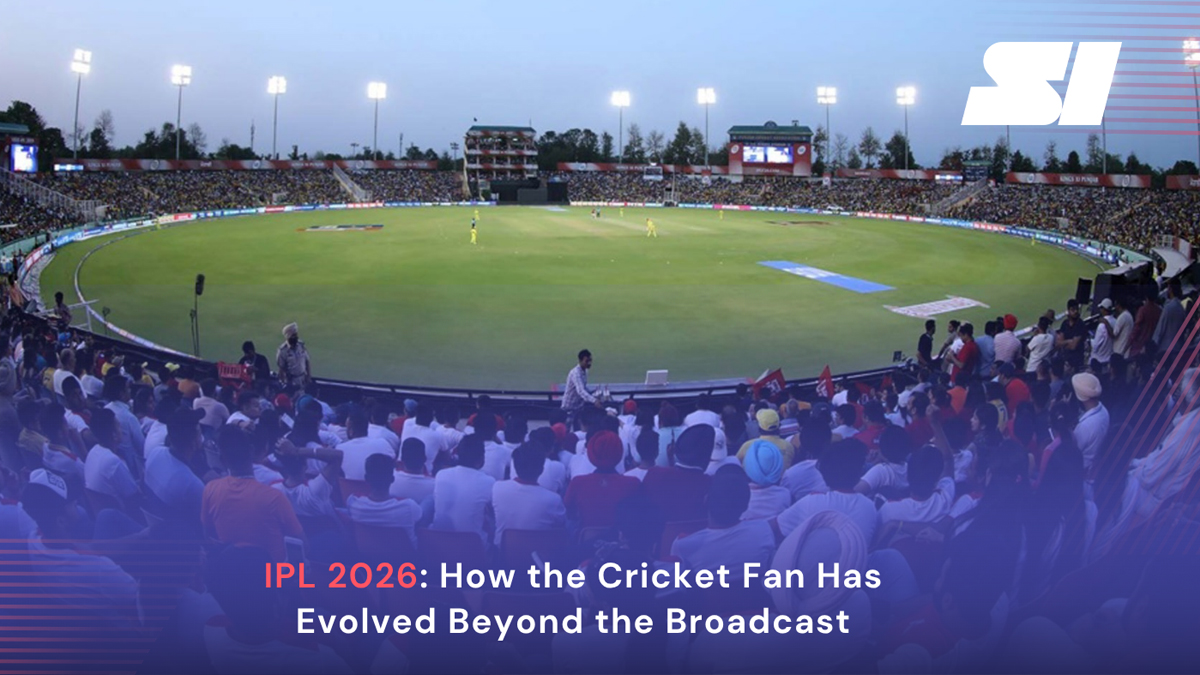
MUMBAI: As the Indian Premier League gears up for its 2026 season, a quieter but far more profound transformation is taking place off the pitch. The modern cricket fan is no longer just watching the game. They are actively shaping the experience around it.
Over recent seasons, fan behaviour has shifted from passive viewership to continuous digital participation. What was once centred on match-day broadcasts has evolved into a year-round engagement cycle driven by apps, gaming layers and personalised content journeys.
Today’s IPL fan is as likely to be managing a fantasy team or predicting match outcomes as they are watching live play. Fans are building private leagues, using in-game boosters and interacting with real-time notifications, often consuming highlights within minutes of key moments. In one recent season alone, more than 400,000 fantasy users created over 75,000 leagues and deployed upwards of 200,000 gameplay boosters, underscoring the scale of this behavioural shift.
The change is not just about numbers, but depth. One leading franchise reported a 5.7 times increase in average fan engagement time after investing in a mobile-first digital ecosystem. It also built a base of over 2 million first-party fan profiles and achieved 64 percent in-season retention. Over three years, such digital investments contributed to a 40 percent rise in enterprise value, highlighting how engagement is translating into business impact.
SI SVP India Chintan Shah said, “The IPL is no longer defined by match-day consumption alone. Fan behaviour now extends across a connected ecosystem of content, interaction and participation, where engagement builds progressively over time rather than peaking around live moments. This evolution is reshaping how sports properties think about audience value.”
Similar patterns are emerging across the league. Another franchise recorded a 4.6 times jump in engagement time and a 2.4 times increase in app screen views, alongside more than 500,000 app downloads. These gains point to a growing appetite for deeper, more interactive experiences beyond the match window.
Video remains a powerful entry point, with digital platforms collectively delivering over 2 billion views around match content. However, industry observers note that video alone is no longer enough to build loyalty. It is the interactive layers around these moments that keep fans coming back.
Loyalty programmes and gamified experiences are also playing a key role. In one case, over 400,000 app downloads were driven through integrated rewards systems, while in-app campaigns during peak match periods recorded response rates of 50 to 65 percent. Such figures suggest fans are not just watching but willingly participating when the experience feels timely and rewarding.
At the heart of this shift is a move towards owned fan relationships. While social media continues to drive reach, franchises are increasingly focusing on direct engagement through unified logins, CRM systems and personalised content journeys. The goal is to understand fan preferences more deeply, from favourite players to content habits and frequency of interaction.
As IPL 2026 begins, the league is no longer just a broadcast spectacle. It has become a dynamic, interactive platform where sport, data and digital behaviour converge. The real contest now is not only for viewership, but for attention, participation and long-term loyalty.