eNews
Times Internet’s transformation from media company to tech company

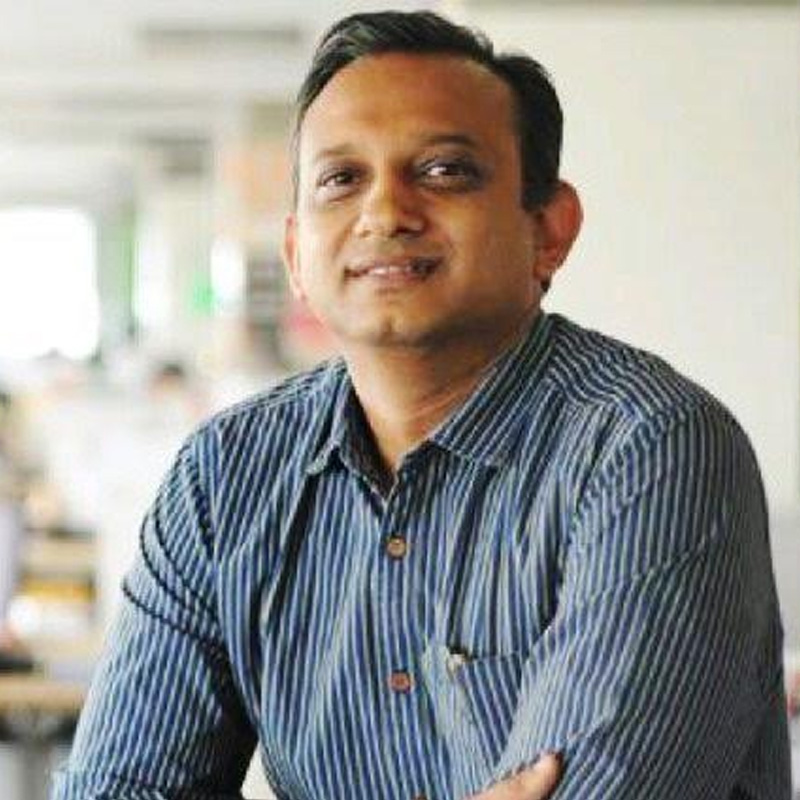
KOLKATA: Digital disruption is reshaping the media and entertainment ecosystem at a rapid pace. As media companies adapt to the change, investment in technology is emerging as the need of the hour. Times Internet Ltd (TIL) COO Puneet Gupt also emphasised that every media company needs to have a tech mindset, during a virtual fireside chat hosted by Indiantelevision.com.
Without proper technology being built and deployed, media companies will not be able to understand how the next wave of change could possibly affect the business, Gupt explained. TIL has successfully transformed itself from a media company having tech as a delivery engine to being a tech company that has media as an asset, he shared. Going forwards, tech is going to fuel TIL’s growth, making sure that all of its businesses grow on the back of the user base it already has.
TIL leverages its massive reach for any newly launched product on the back of technology. Gupt explained that all of TIL properties are internally connected with a technology flywheel that tries to move users from a low ARPU high reach kind of product to a high ARPU kind of product. While the organisation has gradually built its tech segment over the last five-six years, the approach helps it to leverage the entire reach of TIL as well as all the learning for better content, tech and product decision for any new property.
“We think we have cracked the science of virality and converting content to commerce. A few years ago, when the algorithms had not changed, some TIL properties were at the top of the virality charts,” Gupt said.
He also shed light on TIL’s initiatives that have yielded positive results for the company. “For the last four-five years, we have been working on a bunch of components whether it is our own content management system, whether it is AI or ML algorithms for a lot of work that we do, or on the adtech side where we think there is a large vacuum of right technology being available to the publisher. The advertising technology today is heavily favouring the bias. It’s really built for the buy-side, not on the sales side,” he added.
Realising the publishers’ need, TIL built its own ad tech engine – Colombia. Later, the company put the best of content management and advertising ability to build M-360, which is gaining good traction. Currently, M360 has 80-90 publishers on board and Gupt said that they expect the number to reach a few hundred in six-nine months.
According to Gupt, 20-30 per cent of large media companies in India have already started investing in tech. But the initiative needs to reach medium and small publishers as well because a lot of “low-hanging staff” in newsrooms is going to be automated soon. However, he clarified that it does not mean that journalists might lose their importance. While technology can make churning out a part of content faster, journalists can focus on detailed, in-depth content.
“You will get visitors, your visitors will have to convert to loyalists and the loyalists will have to convert to paid subscribers. This entire cycle has to work well,” he said. “The content that is created for the subscription side will be measured on the ability to convert a loyalist to a paid user; the ability to retain and renew a paid user,” he added further.
With emerging technologies, the conversation around data protection is also becoming more prominent. Gupt stated that publishers should focus on respecting users’ choice and consent, focusing on receiving data properly rather than collecting it, thereby upholding the ‘right to be forgotten’. He termed TIL as a “worthy custodian of data” as it has always managed data with utmost care.