Gaming
SuperGaming’s Indus Inferno Finale: Marcos Gaming and TWOB sign Indus rosters


Mumbai: SuperGaming, a game developer has concluded its nationwide grassroots esports tournament Indus Inferno with a resounding success. The tournament finale drew in aspiring esports athletes from across the country to participate in this epic showdown. Scouts from more than ten leading esports organisations were also in attendance, resulting in 2 roster signings and ongoing discussions with other teams.
Team MOGGERS emerged victorious, taking home the grand prize of Rs 2,50,000 and claiming the coveted trophy. The runners-up DGE (Destruction of Game), secured Rs 1,00,000, while Insane Esports and Marcos Gaming walked away with Rs. 75,000 and Rs 50,000 respectively. Igor from Team MOGGERS was crowned the MVP (Most Valuable Player) of the finale, winning Rs 25,000 for their stellar performance.
“The kind of participation and enthusiasm we witnessed during the Indus Inferno Finale was truly rewarding,” said SuperGaming CEO and co-founder Roby John. “The tournament showed a strong desire for a top-tier, Indian-made battle royale. We are thrilled to have provided a platform for aspiring esports athletes to showcase their talent and this is just the beginning of our journey to build a sustainable esports ecosystem in India”, he added.
The finale saw 15 teams competing for victory. four teams received exclusive invitations, 10 teams earned their spots through intense open qualifiers, and 1 team advanced via the Android qualifiers. The platform breakdown revealed that 70 per cent of the participants used Android devices compared to 30 per cent on iOS. The tournament attracted players from all over India with 21 per cent of participants hailing from Maharashtra, followed by 12 per cent from Telangana and 10 per cent from West Bengal.
Indus Inferno also served as a launchpad for aspiring esports enthusiasts to showcase their skills to some of India’s top esports orgs, including representatives from Godlike Esports, Revenant Esports, Orangutan, Entity Gaming, Reckoning Esports, Carnival Gaming, Chemin Esports, True Rippers, Enigma Gaming, Team Tamilas, Marcos Gaming, and TWOB.
Notably, Marcos Gaming and TWOB have finalised their rosters for Indus. Overall, the event saw an active engagement with the community, enabling players to share their feedback in real-time with the developers. This aligns with SuperGaming’s player-first approach, which has been the cornerstone of its success.
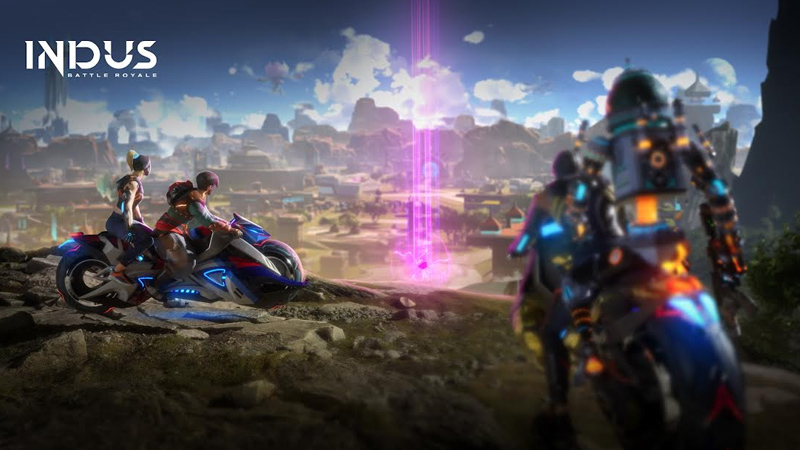
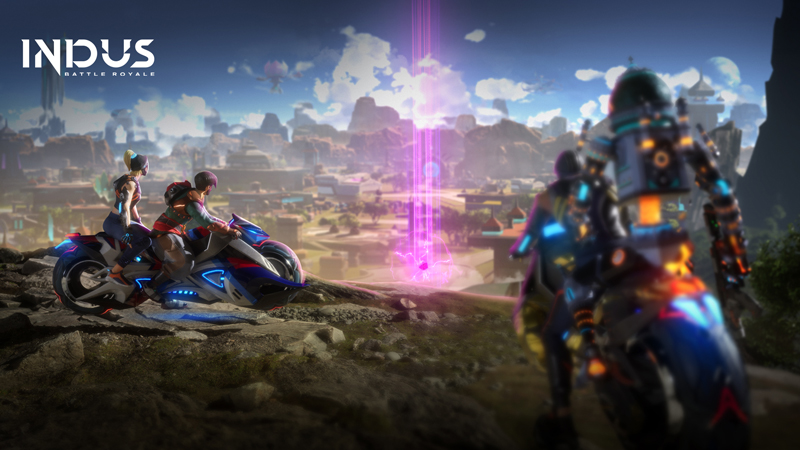
With close to 11 million pre-registrations, the excitement for India’s most anticipated game’s official launch continues to build. Players can pre-register for Indus Battle Royale on the Google Play Store for Android.
How to get access to Indus Closed Beta
Joining the Closed Beta for Indus is now easier than ever! Simply head over to www.indusbeta.com and sign up to join the official waitlist. Once you’re on the list, you’ll receive a direct link to download and play the game as soon as you’re selected.